Estonian Auditor General: Defense Ministry's Record-Keeping Still Seriously Flawed
Estonia's Auditor General Janar Holm told the Riigikogu that the state's annual report is materially accurate, but the Ministry of Defense's asset and contract accounting has systemic problems. He also criticized ministries for approving budgets after the budget year had ended.
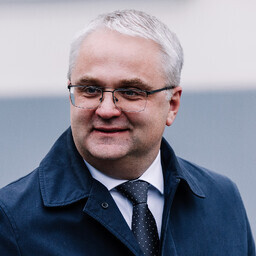
Janar Holm, head of Estonia's National Audit Office, presented the results of the audit of the state's annual report to the Riigikogu, the Estonian parliament. He confirmed that the previous year's report is materially accurate, with one exception: the Ministry of Defense's housekeeping remains in poor order.
Defense assets and contracts
Holm recalled that in 2022 he had already pointed to inadequate accounting of Defense Forces assets. Society has provided more money for defense and large quantities of fixed assets and supplies have been purchased, but persistent problems in work organization and attitudes have deepened the confusion. The assets in question include weapons and weapons-system components, expensive ammunition, camouflage equipment, and fire-control and communications systems. In his view, knowing what stocks exist, where they are and whether they are usable is part of military readiness. He said discussing such problems publicly is not a security threat.
In reviewing how the Estonian Center for Defense Investments manages contracts, auditors examined only 64 contracts but still found systemic problems: advance payments that had not been reconciled, contract terms not followed, unsigned contracts, and documentation errors that made it impossible to tell under which contract goods were received. The center's head has said improvements have been underway since the start of the year.
Ministry budgets
In two-thirds of ministries, ministers approved the final allocation of their 2025 operating budgets only months after the budget year ended. Holm described this as retroactive validation. The Ministry of Finance does not monitor whether ministries respect limits on long-term commitments, and about half of the ministries could not support their claims that they do so with calculations. The state's budget strategy projects deficits of up to four percent of GDP.
SmartCap and health care
An audit of SmartCap's venture capital funds found more than €250 million in uncommitted cash at the end of last year, while the state was borrowing money. A representative of the Ministry of Economic Affairs and Communications held three overlapping roles, creating conflict-of-interest risk. Holm also said fundamental questions about the long-term financing of health care remain unresolved.