Ilma Nereta: 45 Years at the Botanical Garden, Roses and Deer Damage
Ilma Nereta, a gardener at the National Botanical Garden who has spent 45 years with roses, shares her career memories, rose breeding insights and the unusually severe deer damage this year.
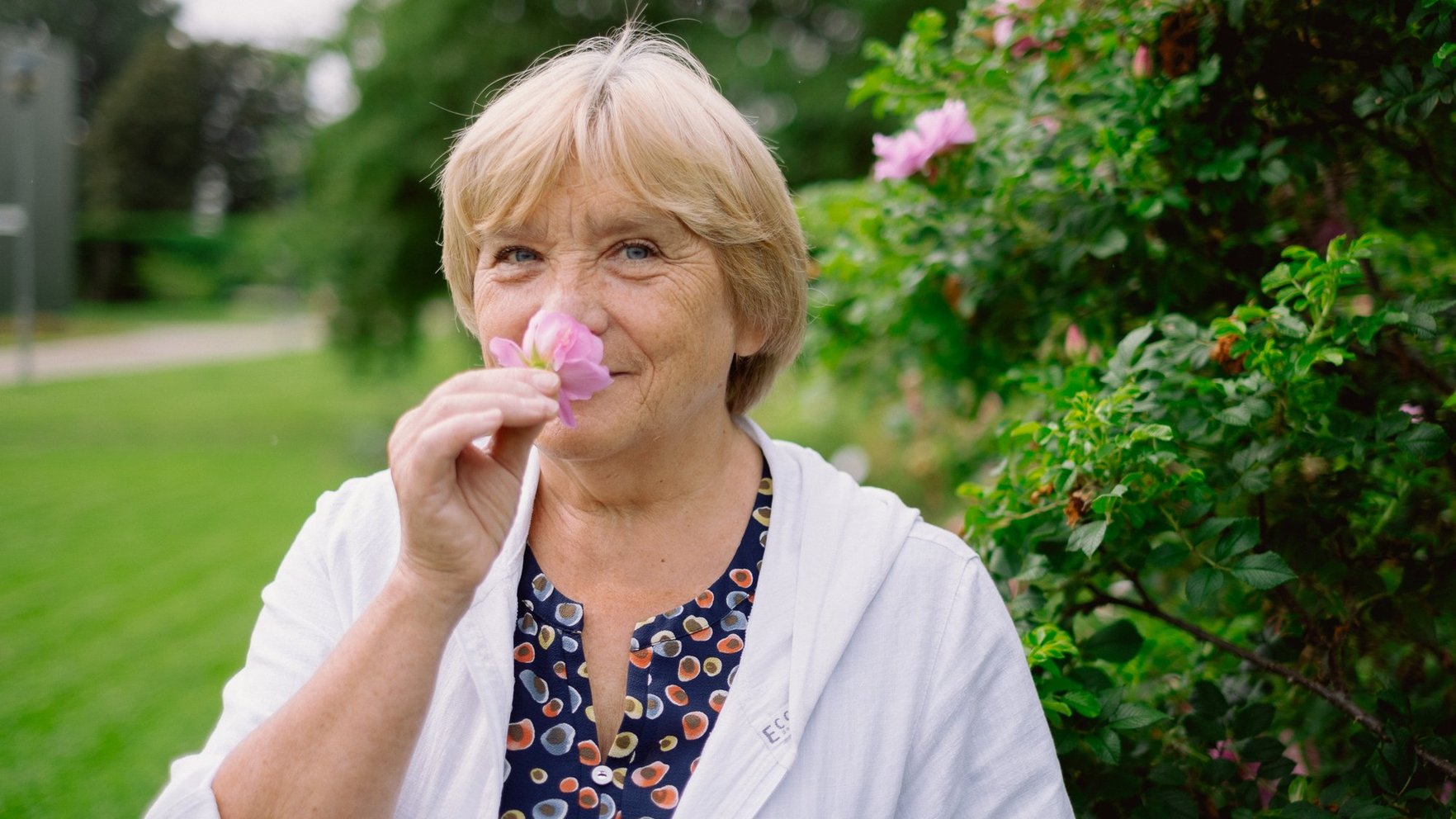
After 45 years at the National Botanical Garden, Ilma Nereta says she could, if woken in the middle of the night, immediately describe about 300 of the 400 rose varieties under her care. She looks after the herbaceous flora section, has written books on growing roses and perennials, and talks to visitors daily.
Nereta first came to the botanical garden as a student, when her diploma thesis focused on the health of pines in Riga and Salaspils. She collected thousands of needle samples, and the data showed that air pollution was higher in Riga. After graduating in 1982, she was assigned to work at the garden, initially in Andris Zvirgzds' laboratory and later taking over a clematis collection that had to be abandoned because of disease.
Roses entered her life through breeder Dzidra Rieksta, who created 21 park rose varieties, including 'Ābeļzieds', 'Rītausma', 'Sniedze' and 'Zaiga'. The first variety, 'Ābeļzieds', appeared in 1968, while the last ones were registered in 2011, among them 'Maija', named after the Turaida Rose. Nereta notes that 'Rītausma' can produce up to 30 flowers per cluster, blooming from June to mid-October, and it is one of the few roses with fragrance also in its leaves.
The gardener advises planting roses with the graft union 8–10 centimetres below the soil surface. This encourages more shoots and flowers and protects the plant from frost and sun damage.
Speaking about plant trends, Nereta mentions the comeback of peonies and phlox. She stresses that a plant's failure to grow in a particular region is not always due to climate; often the planting site is unsuitable. She recalls clients with sandy Jūrmala soil who dug large holes lined with clay just to grow roses successfully.
This year, deer have caused particularly severe damage. The largest herd observed had 14 animals. They eat tulips, rose shoots, rhododendron buds, carnations, daylilies and phlox. In the rose garden with more than 5,000 plants, visitors often ask why the roses were pruned, but in fact the deer have eaten them. Nereta says a serious fence of more than 300 metres would be needed, but it is currently too expensive.
Despite the challenges, she loves her work. Even on weekends she comes to check the young grafts, especially at the start of the season when they begin to grow.
/nginx/o/2026/09/29/17944376t1h1c7f.jpg)