Ilves: Kaja Kallas is the EU's foreign minister and should be the one talking to Lavrov
Former Estonian president Toomas Hendrik Ilves argues in an opinion piece that leaders of larger EU states are reluctant to accept Kaja Kallas's foreign policy role. He says the Lisbon Treaty gives the EU's external representation to the High Representative, not to national leaders.

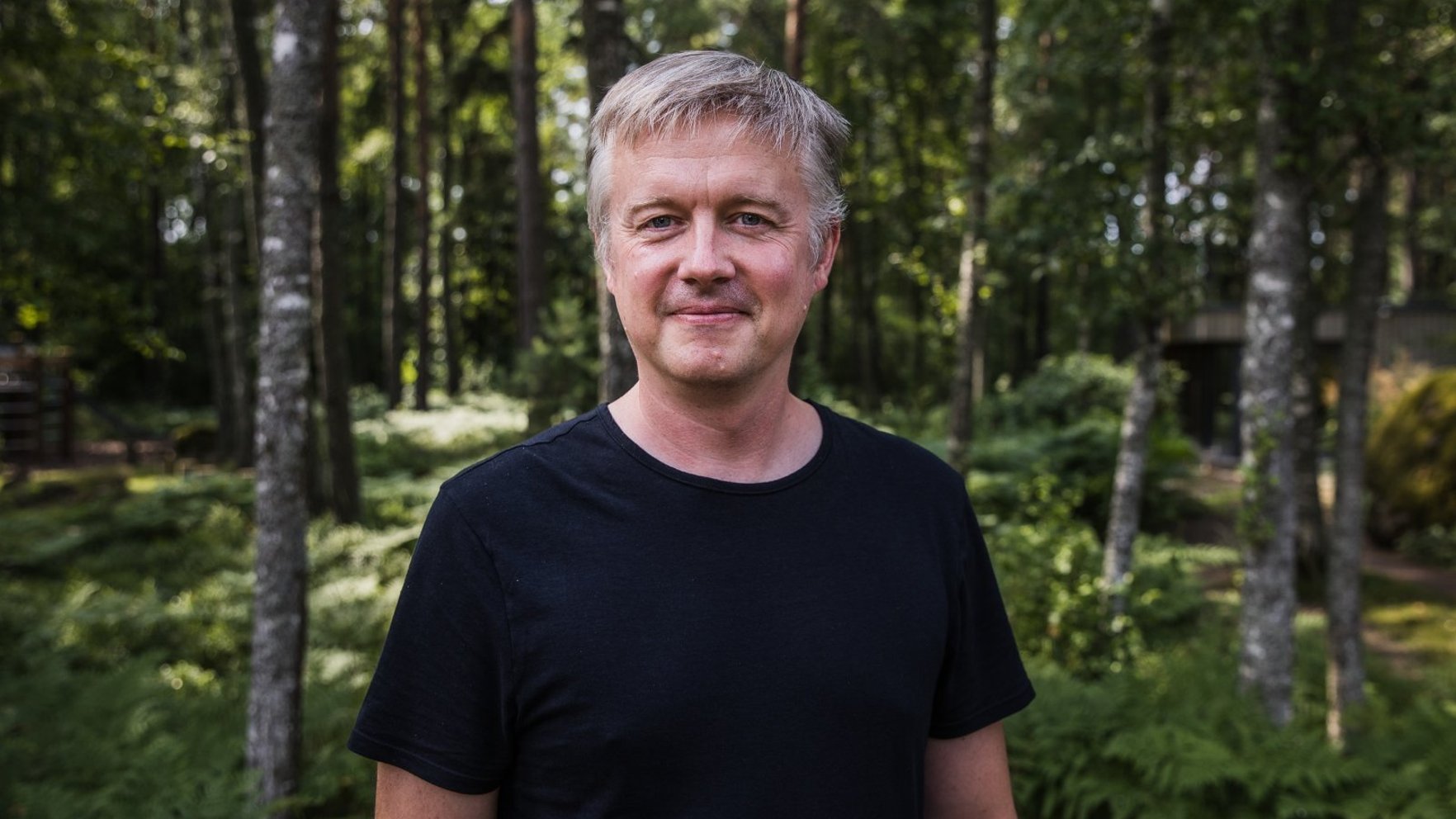
Toomas Hendrik Ilves, a former president of Estonia, has criticised EU member state leaders for how they treat the bloc's High Representative for Foreign Affairs and Security Policy, Kaja Kallas. His opinion piece, first published on his Substack and republished by Estonian World, claims that representatives of the larger member states are unnerved by Kallas's competence. The text is the author's opinion, not a neutral account of facts.
The foreign minister post
Ilves recalls that the Lisbon Treaty, in force since 2009, made the High Representative the EU's de facto foreign minister, a response to Henry Kissinger's question about whom to call when wanting to reach Europe. In his view, heads of state and government have never wanted a strong figure in the role, as they enjoy the attention on the world stage. He names Nicolas Sarkozy, Angela Merkel and Emmanuel Macron as examples.
Previous office holders
Ilves says the post went to people who had never held their country's highest office: Cathy Ashton, Federica Mogherini and Josep Borrell. He describes them as incompetent and says Mogherini and Borrell played no role in the EU's response to Russia's aggression in Ukraine and lacked understanding of Russia.
Kallas and Russia
Kallas took up the post in 2024 after serving as prime minister of Estonia, and Ilves says she has deep knowledge of foreign policy and of Russia's historical behaviour. He objects to anonymous EU leaders complaining that she "only cares about Russia", noting that Russia borders five EU states and is waging war on Ukraine, which borders four.
Ilves argues that under the treaty Kallas is the counterpart of US Secretary of State Marco Rubio and Russian Foreign Minister Sergei Lavrov, while European Council President António Costa is the counterpart of Vladimir Putin and Donald Trump. He urges leaders to set aside their egos and respect the treaty their countries ratified.