IMAX 70mm vs IMAX Digital: Key Differences in Cinema Formats
Christopher Nolan's "The Odyssey" is the first fully IMAX 70mm-shot film, but most theaters use digital IMAX. The article explains the technical and experiential differences between IMAX 70mm film, IMAX with Laser, and standard 70mm.
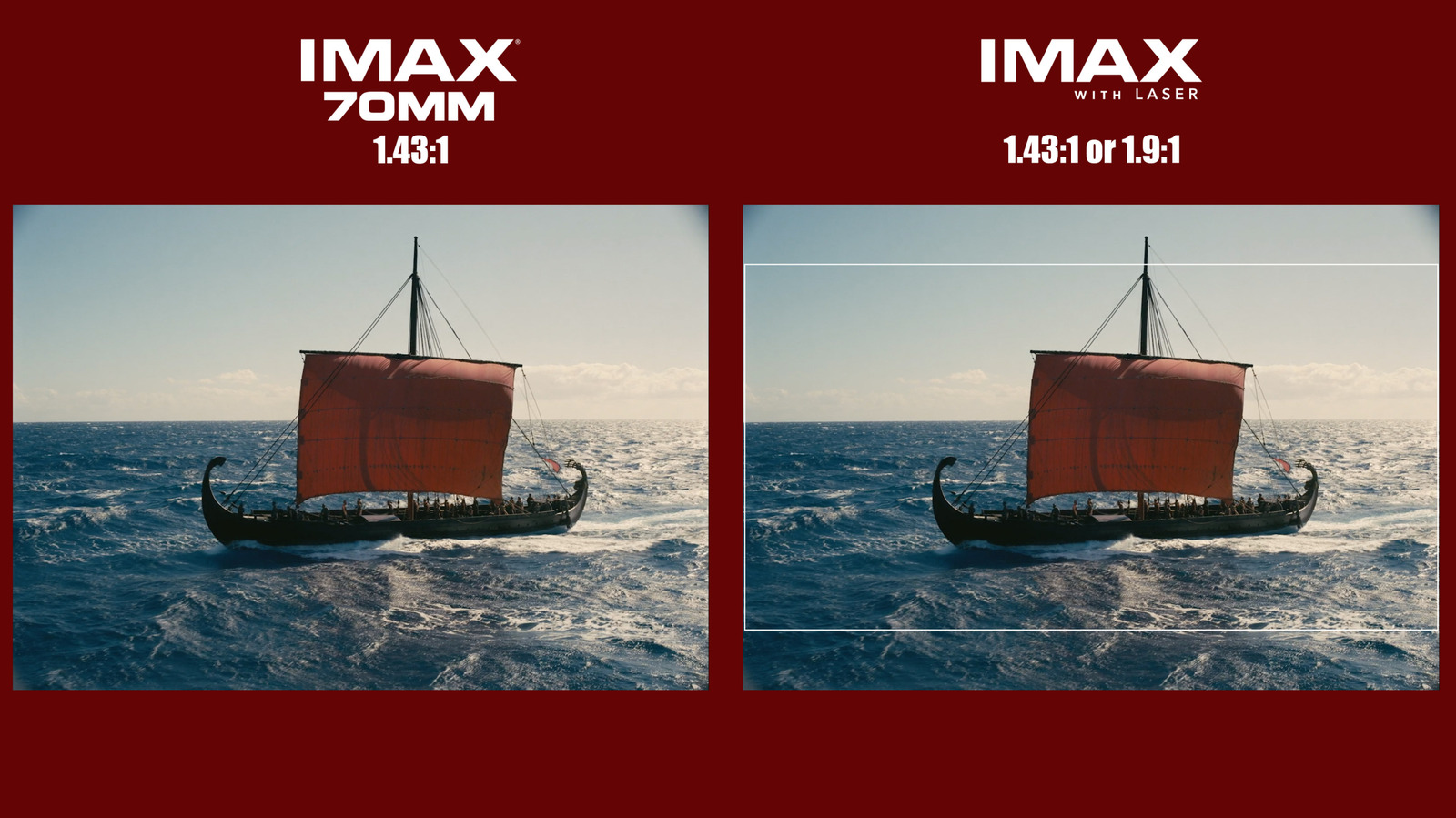
Christopher Nolan's epic "The Odyssey" is the first feature film entirely shot in the IMAX 70mm film format. While this format offers the ultimate viewing experience, most moviegoers will only have access to digital IMAX.
IMAX 70mm film uses 15/70 film stock with a frame size of 69.8×48.5 mm and a 1.43:1 aspect ratio. Projection takes place on massive screens up to 59 by 79 feet, and the resolution is equivalent to up to 18K. Brightness is provided by 15kW water-cooled xenon bulbs, up to 7.5 times brighter than standard theater lamps. However, only about 24 such theaters exist in the US, nine in Canada, and six elsewhere in the world.
Producing "The Odyssey" cost $250 million and required a special camera system. Each IMAX 70mm print reportedly costs around $80,000. Other films like "Oppenheimer," "Tenet," "Dune: Part 3," and "Sinners" use a mix of IMAX 70mm and Super Panavision 70mm.
Digital IMAX, also known as IMAX with Laser, is a step down from film. Maximum resolution is 4K, about a quarter of IMAX 70mm film. Only a handful of digital IMAX theaters in North America can show the taller 1.43:1 aspect ratio. However, brightness and contrast are actually superior to film, thanks to laser technology. The best digital IMAX experience uses the GT Laser dual projector system with 1.43:1, but only about 12 such theaters exist in North America. Other digital IMAX screens use a wider 1.9:1 aspect ratio, with around 100 in the US.
Standard 70mm (Super Panavision 5/70) is another option. The frame height is 22.09 mm, with a 2.2:1 aspect ratio. Resolution is about a third of IMAX 70mm, but still better than 35mm film and most digital formats. Prints are often struck directly from 70mm or IMAX negatives.
When choosing a format, IMAX 70mm offers the greatest immersion, while digital IMAX is more widely available and provides excellent brightness and contrast. Moviegoers are advised to check the format before purchasing tickets.