Inčukalns Storage Holds 12 TWh of Gas, but Winter Security Also Depends on Extra Supplies
Gas transmission operator Conexus Baltic Grid says the Inčukalns storage facility in Latvia currently holds about 12 TWh of natural gas, equal to 44% of average winter demand in the Baltics and Finland. Latvia also has a 1.8 TWh strategic reserve and access to LNG terminals.
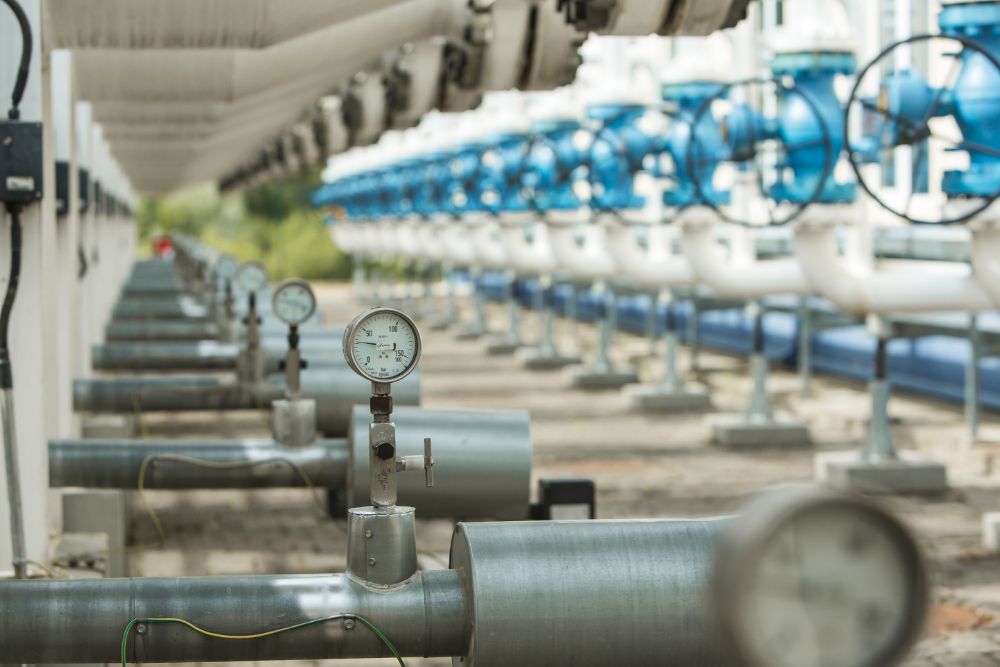
The heating season has begun in Latvia, bringing back the question of whether there will be enough natural gas for winter. The Inčukalns underground gas storage facility, operated by Conexus Baltic Grid, currently holds about 12 terawatt-hours (TWh) of natural gas. The company stresses that this figure should not be assessed in isolation from the situation across the whole region.
What 12 TWh means
Average winter natural gas consumption in Finland, Estonia, Latvia and Lithuania combined has been about 27 TWh over the past three years. The volume in storage therefore equals roughly 44% of that demand. This is not the technical fill level of the facility, since Conexus compares stocks with regional winter consumption rather than maximum capacity.
The gas in storage does not belong to Conexus. The company manages the infrastructure, while the gas is owned by traders and other market participants, so the full volume cannot be assumed to be meant for Latvia. Conexus does not disclose how much belongs to individual traders. Management board chair Uldis Bariss says the company is confident that the volumes Latvia needs are either already stored or reserved from other supply sources. Latvia's winter consumption has recently been around 6.5 TWh, while total consumption in 2025 reached 8.7 TWh.
Reserve and additional supplies
The facility also holds the state's strategic natural gas reserve of 1.8 TWh, intended for serious supply disruptions. Conexus calculates that this reserve alone would cover Latvia for roughly 45 to 90 days, depending on consumption.
Traders have also reserved deliveries at the Klaipėda liquefied natural gas terminal in Lithuania and the Inkoo terminal in Finland. If stocks ran short or demand rose, extra gas could come from Inkoo, which still has ample free capacity this winter, or from Poland via the GIPL interconnector. A similar model was used in the cold months earlier this year. According to the ENTSOG winter supply assessment, EU storage stocks cover about 27% of expected winter demand, which Conexus says means the Baltic and Finnish situation is better than the EU average.