India's exam paper leaks: why technology alone won't solve the crisis
India's major entrance exams, including the NEET medical exam, have been plagued by question paper leaks, and while a shift to computer-based testing is being pushed, experts warn that technology alone will not eliminate cheating unless deeper issues of trust and incentives are addressed.
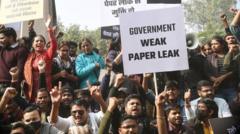
India has seen months of protests over leaks in its biggest entrance examinations, particularly the NEET medical exam. Protesters say more than 20 students have died by suicide, blaming the scandal. The unrest forced the resignation of Education Minister Dharmendra Pradhan.
Prime Minister Narendra Modi responded by appointing an expert task force led by Infosys chairman Nandan Nilekani to overhaul the National Testing Agency (NTA). Modi proposes moving exams to computer-based testing (CBT) to enhance security. However, the Supreme Court, while hearing petitions, welcomed the efforts but cautioned that CBT alone would not eliminate the risk of paper leaks.
Experts argue that technology cannot fix a problem rooted in trust, governance, and incentives. Prof. V Kamakoti of IIT Madras, a task force member, says the roots of trust lie in teachers who set the papers and invigilators who supervise candidates. If either is compromised, the system is vulnerable. To improve oversight, officials propose extensive CCTV surveillance with AI flagging suspicious behavior in real time.
Computer-based testing removes a major vulnerability by eliminating the need to print, transport, and store millions of papers. IIT Madras uses "red teaming" and air-gapped networks. Yet the human factor remains the biggest challenge. Kamakoti notes that preparing a NEET paper involves around 50 people; if even one is compromised, the system fails.
One reason NEET remains paper-based is capacity: India can currently accommodate only about 300,000 candidates per CBT session, compared to 2.2 million test-takers. Moving to CBT would require massive expansion or multiple sessions.
Dr. Debananda Misra of IIT Delhi agrees CBT can reduce leaks but says it does not address the incentives driving malpractice. Government-subsidized medical colleges have seats for fewer than 6% of qualified candidates, creating immense pressure. He also worries about equity, as CBT favors students with digital skills and access to coaching.
Misra suggests stronger governance, regular audits, multiple equivalent question papers, and reducing reliance on single high-stakes tests. Long-term, India should create broader pathways into higher education.
Modi has repeatedly vowed to tackle exam fraud. A high-level committee formed after the 2024 leak made over 100 recommendations, but only about 57% have been implemented. The task force has little time: the next exam season starts in December, so major changes must be finalized within months. Ultimately, the task force will be judged by whether students regain trust in the system's fairness.