Iran holds firm on Hormuz reopening terms despite Trump's rejection
Iran said Sunday it will not soften its conditions for reopening the Strait of Hormuz, even after US President Donald Trump publicly rejected the proposal. The standoff over the strategic waterway continues.
Iranian Foreign Minister Abbas Araghchi said Sunday that Tehran will not compromise on its conditions for reopening the Strait of Hormuz, according to state broadcaster IRIB. He stressed that Iran has never shut the door on diplomacy but will also not abandon its rights.
The statement follows Iran's submission of a seven-day plan at the United Nations General Assembly in New York, which Tehran said could end the fighting within days. The proposal was reportedly delivered to Washington through Qatari mediators. It calls for a halt to all hostilities across the Middle East, including Lebanon, and for fulfilling terms of an earlier ceasefire agreement that later collapsed — including the release of frozen Iranian assets, the lifting of sanctions on Iranian oil, and an end to the US naval blockade.
Trump publicly rejected the plan on Saturday while speaking to reporters at the White House, saying Iran wants an immediate reopening of the strait because it is suffering heavy losses in the conflict. Responding, Araghchi said Iran had only seen Trump's initial reaction and that nothing had yet been formally conveyed through mediators. He said Tehran is waiting for the mediators to relay a definitive position before making any decision.
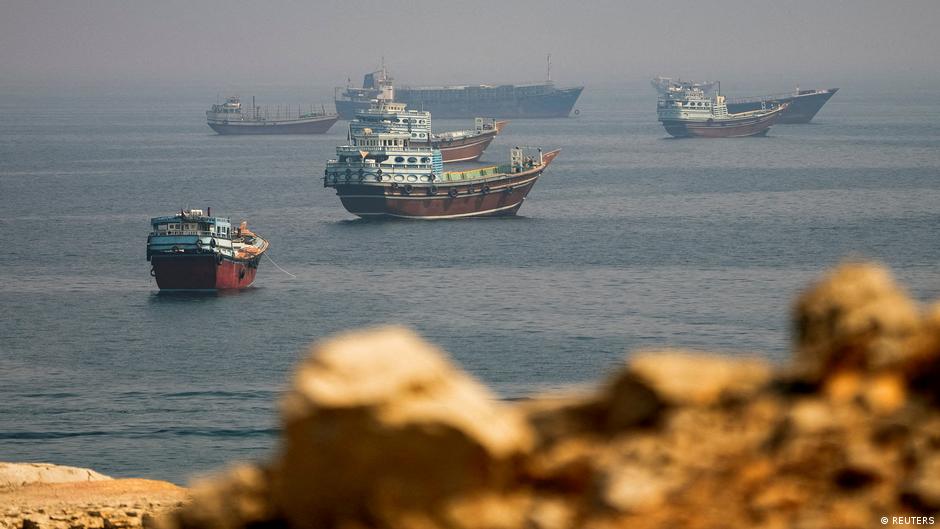
Iranian ports currently remain under a US blockade, while the Strait of Hormuz itself remains largely closed to international shipping, despite Trump's claims that the US controls the waterway. Early Sunday, the Persian Gulf Strait Authority, set up by Iran to manage the strait, warned vessels of consequences for using "illegal routes," citing potential financial losses and future restrictions for violators and their companies.
Before the conflict began, roughly a fifth of global oil demand passed through the Strait of Hormuz, which also serves as a key route for liquefied natural gas and fertilizer shipments.