Iran war day 117: Nuclear inspections dispute as US Senate curbs war powers
Iran and the US clash over nuclear oversight and the Strait of Hormuz as negotiations continue. The US Senate passed a resolution limiting the president's authority to wage war against Iran.

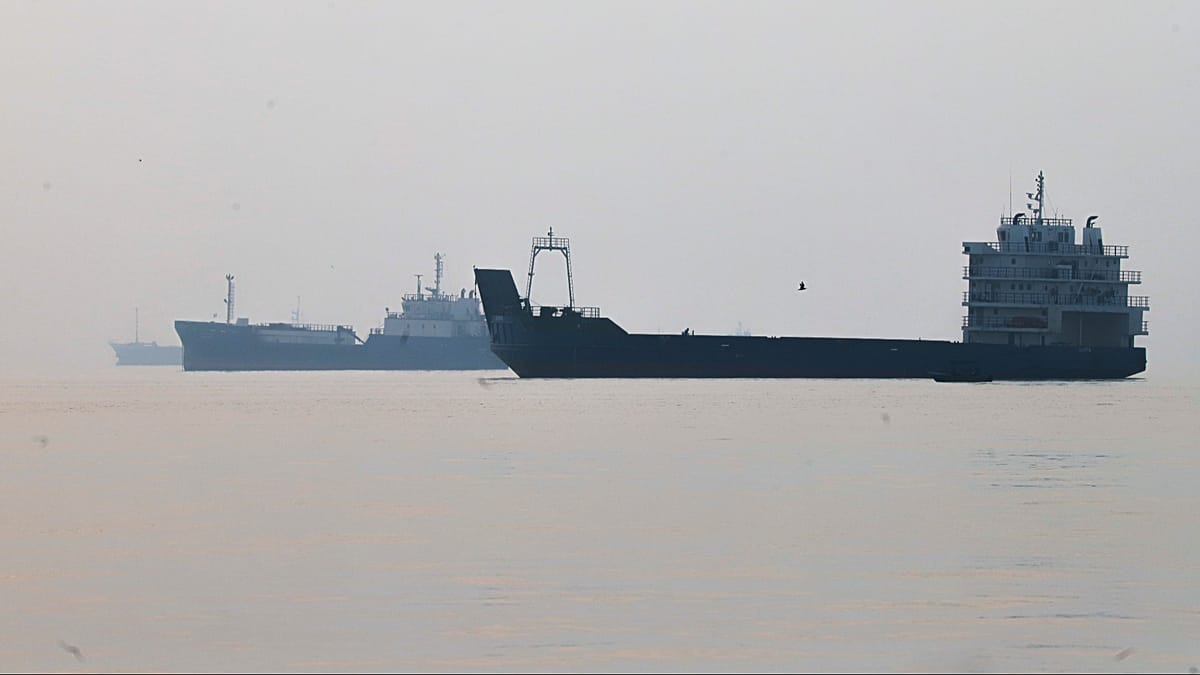
Iran and the United States have offered conflicting accounts on key issues as negotiators work towards a final agreement within a 60-day window. US Secretary of State Marco Rubio said Iran would not be allowed to charge tolls in the Strait of Hormuz, stressing the waterway must remain open to international shipping. Meanwhile, Iran rejected US claims that it had agreed to allow nuclear inspectors back, with Foreign Ministry spokesperson Esmaeil Baghaei denying any plans for IAEA visits. Iran suspended cooperation with the IAEA after US and Israeli strikes on its nuclear facilities in June 2025.
Analysts doubt a final deal can be reached within 60 days. Charles Kupchan of the Council on Foreign Relations told Al Jazeera there is "no way" the US and Iran can finalize an agreement in that timeframe, predicting talks could extend into next year. Qatar's Prime Minister Sheikh Mohammed bin Abdulrahman bin Jassim Al Thani said the country is preparing to restore LNG production after an interim US-Iran deal, following a drone attack on Ras Laffan.
The US Senate voted 50-48 to pass a resolution requiring congressional approval for further military action against Iran, with four Republicans joining Democrats. The measure faces a likely veto from President Trump. Israeli National Security Minister Itamar Ben-Gvir called the US "very naive" for believing Iran would abandon its nuclear program and hinted at independent Israeli action. The UN said the ceasefire in southern Lebanon is "largely holding" despite Israeli military activity.