Iran's president urges end to war 'from position of power' as US escalates sanctions
Iranian President Masoud Pezeshkian has called for ending the months-long war with the US, saying Tehran holds the upper hand, while Washington prepares to intensify sanctions.
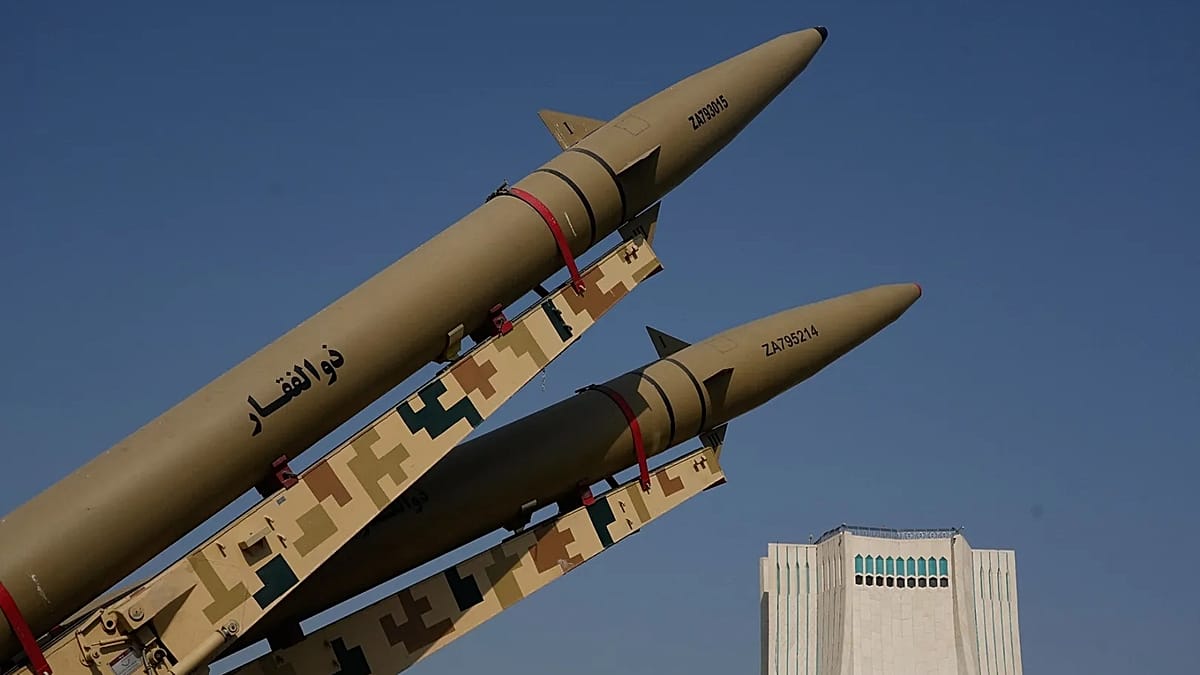
Iranian President Masoud Pezeshkian said on Friday that it was time to end the months-long war with the United States, arguing that Tehran now holds a position of strength and dignity. He said the world recognises Iran's victory and condemns US strikes on schools, hospitals and infrastructure.
Iran's foreign ministry had earlier accused Washington of "economic terrorism" and "crimes against humanity" after the US announced plans to escalate sanctions against Tehran, saying those responsible deserve trial and punishment. Foreign Minister Abbas Araghchi also criticised the sanctions push, calling it a distraction from America's own debt crisis and rising interest costs.
Talks between the two countries remain frozen, with the war launched by the US and Israel in late February stuck in stalemate. Iran continues to keep the Strait of Hormuz closed, while the US maintains a naval blockade.
China's stance and economic strain
Chinese foreign ministry spokesperson Lin Jian said sanctions and pressure would not resolve the dispute, urging a political and diplomatic solution. Chinese President Xi Jinping is set to visit the White House on 24 September, where Iran is likely to be discussed. US Treasury Secretary Scott Bessent said tougher sanctions reduce the likelihood of renewed heavy military action, and promised further details at a press conference on Monday.
While Iran has long managed to partly evade Western sanctions through domestic production, informal trade networks and a shadow oil fleet, the IMF forecasts inflation nearing 70% by year's end and an economic contraction of more than 5%. The country now consumes more petrol than it produces, raising the risk of price hikes that have triggered unrest before.
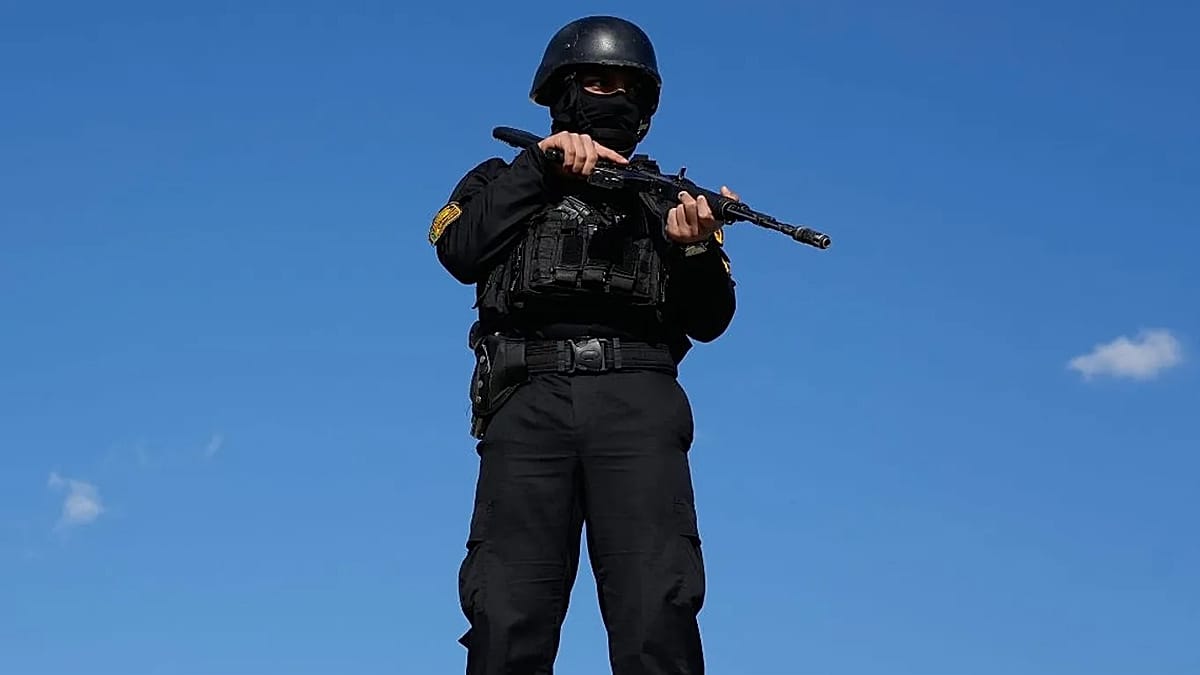
Although Pezeshkian's government favours a negotiated settlement, the most powerful actor in Iran remains the IRGC paramilitary force, which is pushing for greater concessions from Washington, including control over Hormuz and war compensation. This month, Iran's Ayatollah Mojtaba Khamenei appointed a former IRGC commander to head the Supreme National Security Council, signalling a hardline tilt.