Irish League season to kick off as planned after clubs back NIFL proposals
Northern Ireland Football League clubs have approved three restructuring proposals at an extraordinary general meeting, ensuring the 2026-27 season begins this weekend.
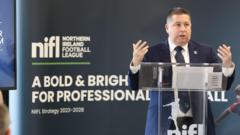
The 2026-27 Irish League season will start on time after Northern Ireland Football League (NIFL) clubs overwhelmingly backed three resolutions at an extraordinary general meeting (EGM) on Tuesday. The vote removed a threat of postponement that had hung over the opening weekend.
NIFL had convened the EGM to secure approval for changes and avoid a delayed start. A quorum requirement meant 90% of the 47 member clubs had to agree to hold the meeting; that threshold was reached, and the subsequent vote comfortably surpassed the 75% needed for passage.
The three successful motions covered league restructuring, the adoption of league rules for 2025/26, and competition rules for 2026/27. NIFL later confirmed that all resolutions had been passed, allowing the season to begin as scheduled on Friday night.
Under the approved changes, the Premier Intermediate League (PIL) — which had served as the third tier since 2016 — will be replaced by a new Conference League run by the Northern Amateur Football League. NIFL will now oversee only the top two divisions, with the Championship expanding from 12 to 16 teams.
The restructuring also affects promotion from last season's PIL. The top four sides — Moyola Park, Strabane Athletic, Rathfriland and Newry City — move up to the Championship. The ten clubs that finished between fifth and bottom will join the inaugural Conference League, alongside St James' Swifts and Rosario, completing a 12-team field.
The new season opens with Cliftonville hosting Crusaders in a north Belfast derby in the Premiership, while the second tier features Strabane Athletic against Institute.
Not everyone was satisfied, however. Banbridge Town, who finished bottom of the PIL, had argued that NIFL failed to follow its own rules by not gaining prior approval from clubs for its regulations. The club appealed to the Irish Football Association, and the IFA appeals committee upheld the complaint.