Irish share dairy farm in Co. Westmeath raises milk output and profits
In Co. Westmeath, Ireland, farmer Christopher Cahill has partnered with landowner Tony McCormack since January 2022 and lifted herd productivity considerably. He features in episode two of Agriland's podcast series 'The Dairy Trail'.
The latest episode of 'The Dairy Trail', a limited podcast series from the Irish farming news site Agriland, looks at a dairy farm in Co. Westmeath, Ireland, run under a share farming arrangement. In this model two farmers operate together and divide both investment and profit. The farm is just outside Delvin, and since January 2022 it has been worked by Christopher Cahill, originally from Co. Cavan, alongside the landowner Tony McCormack.
Building the herd
When the partnership began, Cahill brought a newly purchased herd and merged it with the cows already on the farm. Since then the two men have used cows as their currency, with investment in infrastructure going toward Cahill's growing ownership of the herd. He says it took the full five years to get the herd where he wants it.
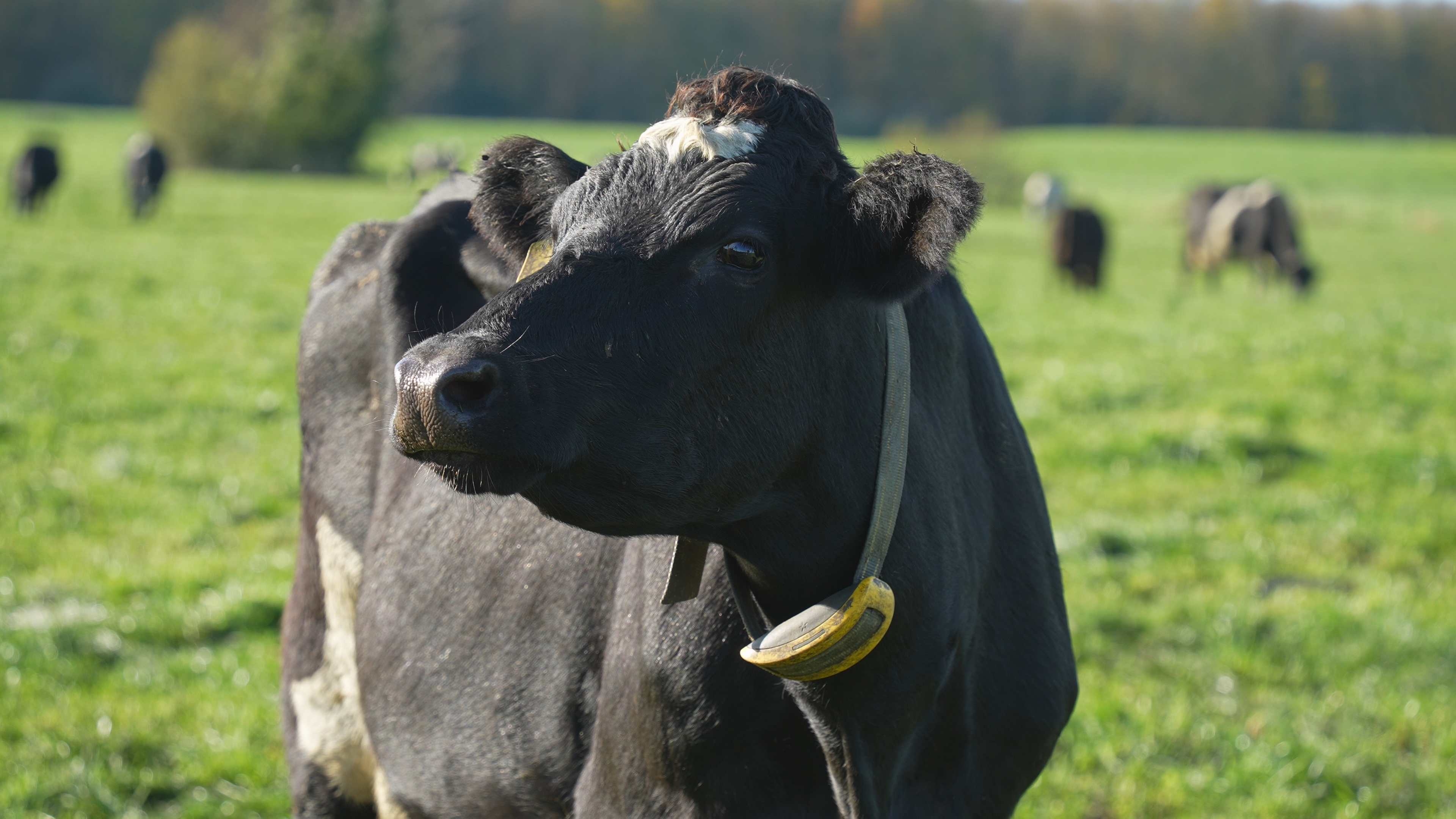
In 2022 the herd produced just over 370kg of milk solids per cow. In 2025 the 240-cow herd sold more than 460kg of milk solids per cow, and it is on track for a target of 500kg in 2026. To get there, Cahill sold in-calf cows from the original herd early on and bought in heifers to shape the genetics he wanted. That left him with a young herd for the first few years. He used sexed semen from the start, and at the end of 2024 invested in Censortec heat detection collars powered by Nedap. According to Cahill, this transformed his breeding season: this year the herd recorded a 61% conception rate at first service, an empty rate below 10% and a 91% six-week calving rate.
Challenges
Cahill also discusses the drought, which he largely avoided the worst of, and the importance of putting good-quality silage in the yard. Turning cows out in spring can be difficult because the farm hosts more than 150 swans each winter, which eat as much grass as 15–16 bullocks.
This year the farm was hit by bovine tuberculosis (TB). Cahill described compensation as relatively fair for buying a replacement animal, but said he is still losing years of genetics and the next generation of replacement heifers. The lost cows meant roughly 20,000 litres less milk a month, equal to more than €7,500 in lost income each month, a significant blow for a share farm where profits are already split.
The next episode is due on Monday, 9 November at 5:00 p.m., visiting Seamus Killoran's farm in Co. Wicklow to see how winter milking is going.