Curved monitors: when they're worth it and when a flat screen is the better pick
Tech outlet Engadget has outlined the pros and cons of curved monitors compared to traditional flat displays. These screens stand out for immersive gaming and expanded workspace, but come with several notable drawbacks.
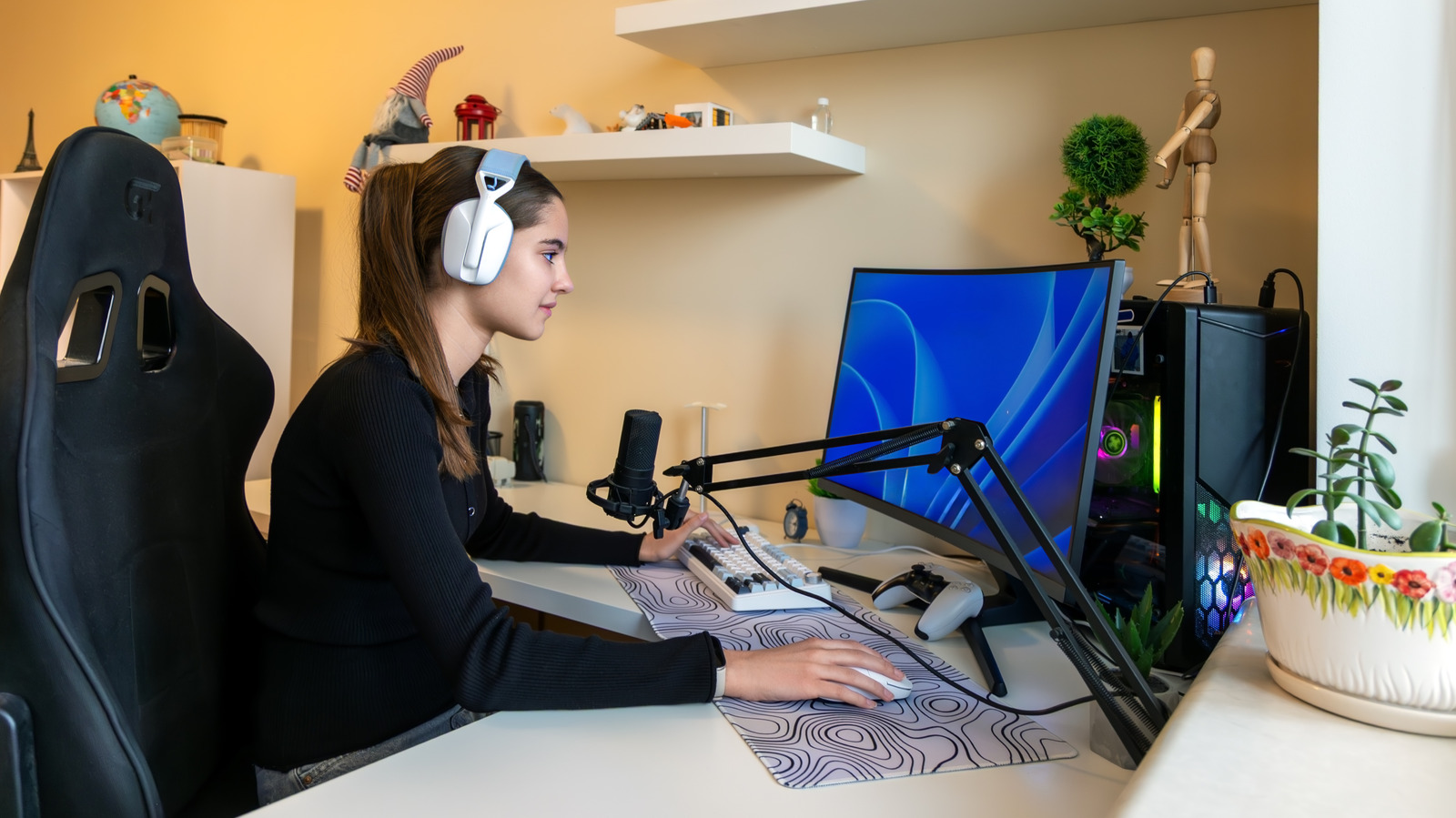
Curved monitors have evolved significantly since the first model, the Samsung SE790C, launched in 2015. Today the market includes curved ultrawide monitors as large as 52 inches with 6K resolution, though the benefits of curvature can also be enjoyed on smaller screens.
Advantages
The main advantage of curved monitors is an immersive gaming experience, particularly for dedicated PC gamers. Most larger curved monitors come in ultrawide or super ultrawide formats, supporting 21:9 or 32:9 aspect ratios. When a game properly supports these formats, the visual experience can be transformed, though titles that only support 16:9 cutscenes can produce black bars on curved ultrawide screens. The wider field of view is especially useful in racing games and first-person shooters.
Curved monitors also benefit productivity, with ultrawide models capable of replacing two separate 27-inch screens and making it easier to manage multiple windows at once. On larger models, the curvature also makes viewing the screen's edges more comfortable, since they sit physically closer to the viewer's eyes.
Disadvantages
Curved monitors tend to be pricier than flat ones, since most measure 34 inches or larger and are more complex to manufacture. They also take up more desk space and aren't well suited to wall mounting, as their edges jut outward. They fit poorly into multi-monitor setups alongside flat screens and are awkward when several people need to view the same screen at once, since curved displays are designed for central viewing angles.
Curved monitors are generally not recommended for graphic designers and image-editing professionals, as the curvature can distort the edges of the screen, interfering with precise work involving straight lines.
Ultrawide monitors are often curved partly because manufacturers want to offer gamers a more immersive experience, and partly because the curve reduces how much viewers need to turn their heads to take in the edges of a wide screen.


