Intel Officials Predict the Pentagon’s Bill for the Iran War Will Exceed $100 Billion
US intelligence officials estimate that the Pentagon's total military cost for the Iran conflict could top $100 billion. The White House requested $88 billion but that falls short, and the final figure is uncertain as the Pentagon weighs replacing destroyed aircraft.

President Donald Trump reignited the Iran conflict with days of missile strikes, and US intelligence officials now estimate that the Pentagon's total military bill for the war could exceed $100 billion, according to two people directly familiar with the matter.
At the end of May, officials were tracking the total cost of Operation Epic Fury in the $50 to $100 billion range, aligning with confidential congressional estimates that put costs to date at around $80 billion. The Trump administration has not disclosed its own cost estimates. In June, the White House requested $88 billion to cover some war expenses, but even that undercounts the real figure, the sources say.
Part of the reason a final cost is unavailable is that the Pentagon is still deciding whether to replace all aircraft destroyed or damaged beyond repair during the conflict. If the Pentagon opts not to replace certain aircraft, defense officials have told lawmakers they will not request funding for them and therefore not factor that into the total war cost.
The nonpartisan Congressional Research Service reported on May 20, using only public information, that the US had lost at least 17 manned aircraft and 25 drones since the start of the conflict. Among the lost drones was an MQ-4C Triton, a high-altitude Navy surveillance drone costing more than $600 million per unit.
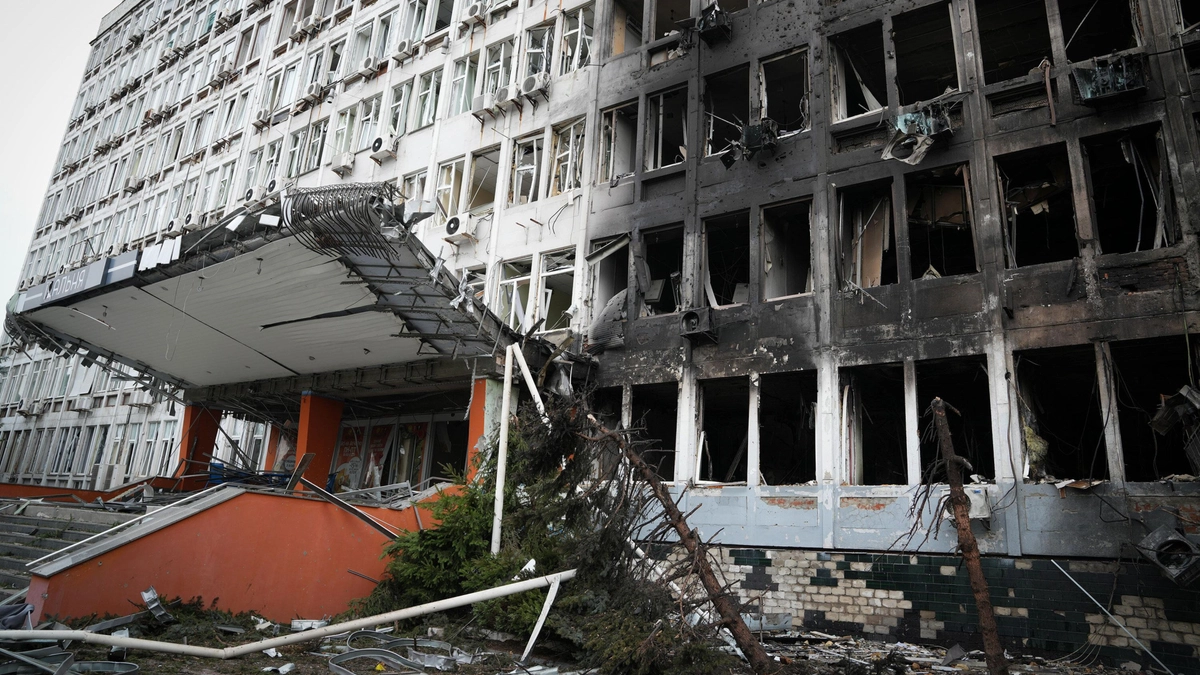
Repair costs for US bases in the region, some heavily damaged by Iranian retaliatory missile and drone strikes, will also be substantial. Defense officials have told lawmakers behind closed doors that repair costs have not been accounted for and may never be if the US ultimately decides to shutter those bases due to their vulnerability to Iranian attacks.
Iran has repeatedly hit several key Middle East bases in retaliatory strikes, including the US Navy's Fifth Fleet headquarters in Bahrain, which the Pentagon has not publicly acknowledged.
The only publicly stated cost from a top defense official came from former acting Pentagon comptroller Jay Hurst, who testified in a May oversight hearing that the war had cost roughly $29 billion. On Tuesday, at his nomination hearing to become permanent comptroller, Hurst declined to provide an updated figure but said the $29 billion mainly covered munitions and fuel costs associated with two US aircraft carriers steaming around the Middle East.
Operation "Gold Eagle"
The Trump administration on Tuesday launched a clearinghouse that will try to identify and patch software vulnerabilities before malicious actors can exploit them using the most powerful AI models. An administration official told that the clearinghouse, named "Gold Eagle," will be run by the Cybersecurity and Infrastructure Security Agency (CISA), which will itself use non-public AI models to find vulnerabilities.
This marks the first major implementation of Trump’s June 2 executive order aimed at creating a framework to oversee the growing threat from advanced AI models. However, a bigger test awaits: the executive order also requires building a classified benchmarking process to assess AI model capabilities before release and determine whether restrictions are needed.
That second step is significant because, so far, the administration has regulated the AI industry by requiring companies like Anthropic to throttle the capabilities of their most powerful models like Mythos for public use. Within the next six to twelve months, industry experts believe China will catch up in the AI race and begin publicly releasing equally powerful models not answerable to the US government. It remains unclear how the administration plans to stop bad actors from using those models to hack into sensitive systems.