Israel Votes in Parliamentary Election as Netanyahu Faces Eisenkot
Israel holds a Knesset election on Oct. 27, with Prime Minister Benjamin Netanyahu and former military chief Gadi Eisenkot as the main rivals. Polls show neither bloc has a decisive majority.
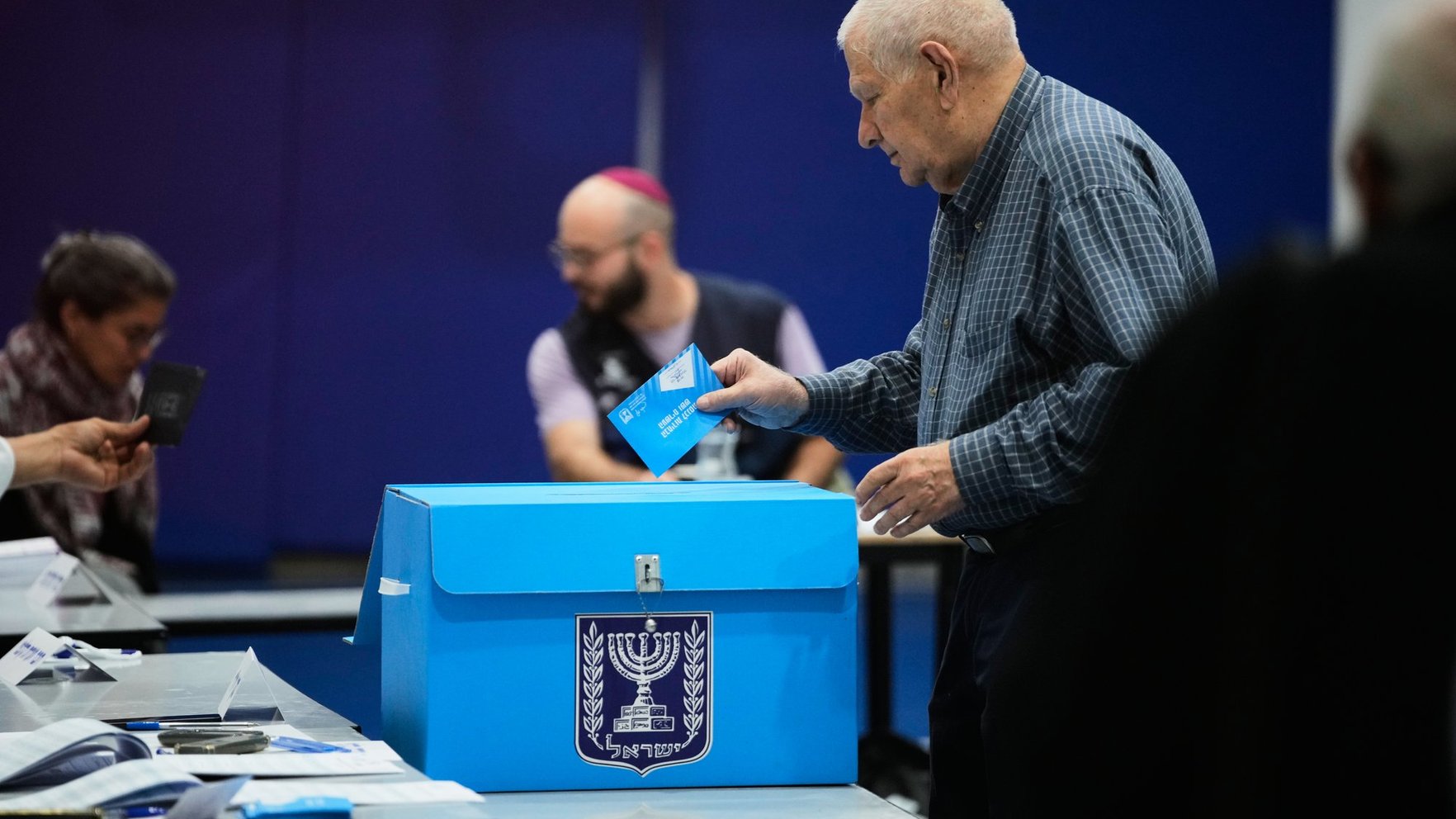
Israel is holding a general election for its 120-seat Parliament, the Knesset, on Oct. 27, a vote that many Israelis and outside observers regard as the most consequential in the country's history. Parties have finalized their candidate slates. The outcome will affect Israelis and the millions of Palestinians living under Israeli occupation, as well as the country's regional conflicts, international relations and the Jewish diaspora.
The main contenders
The campaign has been dominated by a contest between Benjamin Netanyahu, 77, the prime minister and leader of the Likud party, and Gadi Eisenkot, 66, a former military chief of staff who leads the largest opposition party, Yashar! (Honest). Polls show neither man's bloc has secured a decisive majority, so there is no guarantee either will become the next prime minister.
Netanyahu is Israel's longest-serving prime minister. Many see the vote as a referendum on him: he has not delivered the "total victory" he promised in Israel's wars, has not accepted responsibility for the security failures before the Hamas-led attack of Oct. 7, 2023, and has drawn criticism over an unpopular draft exemption for ultra-Orthodox Jews and a push for judicial reforms. He faces corruption charges and an international arrest warrant tied to the conduct of the Gaza war.
Eisenkot formed his party a year ago. He served in Netanyahu's war cabinet for part of the Gaza war, in which one of his sons and two nephews were killed. He backs investigating the failures preceding Oct. 7, but has rejected Palestinian statehood in the near term.
Other parties and the coalition
The opposition also includes B'Yachad, led by former prime minister Naftali Bennett in partnership with Yesh Atid; Yisrael Beiteinu under Avigdor Liberman; and The Democrats under Yair Golan. Netanyahu's camp includes the far-right Otzma Yehudit (Itamar Ben-Gvir) and Religious Zionism (Bezalel Smotrich), along with Shas and United Torah Judaism. The Arab parties are Raam and the Joint List.
About a dozen parties are expected to clear the electoral threshold. The real political bargaining begins after the vote, when party leaders try to assemble a governing coalition of at least 61 lawmakers.