Israel Holds Parliamentary Election as Netanyahu and Eisenkot Blocs Run Neck and Neck
Israel is holding a parliamentary election on 27 October, and polls suggest neither Prime Minister Benjamin Netanyahu's camp nor his opponents can win an outright majority. The outcome could decide the future of the 77-year-old leader's career and the country's direction.
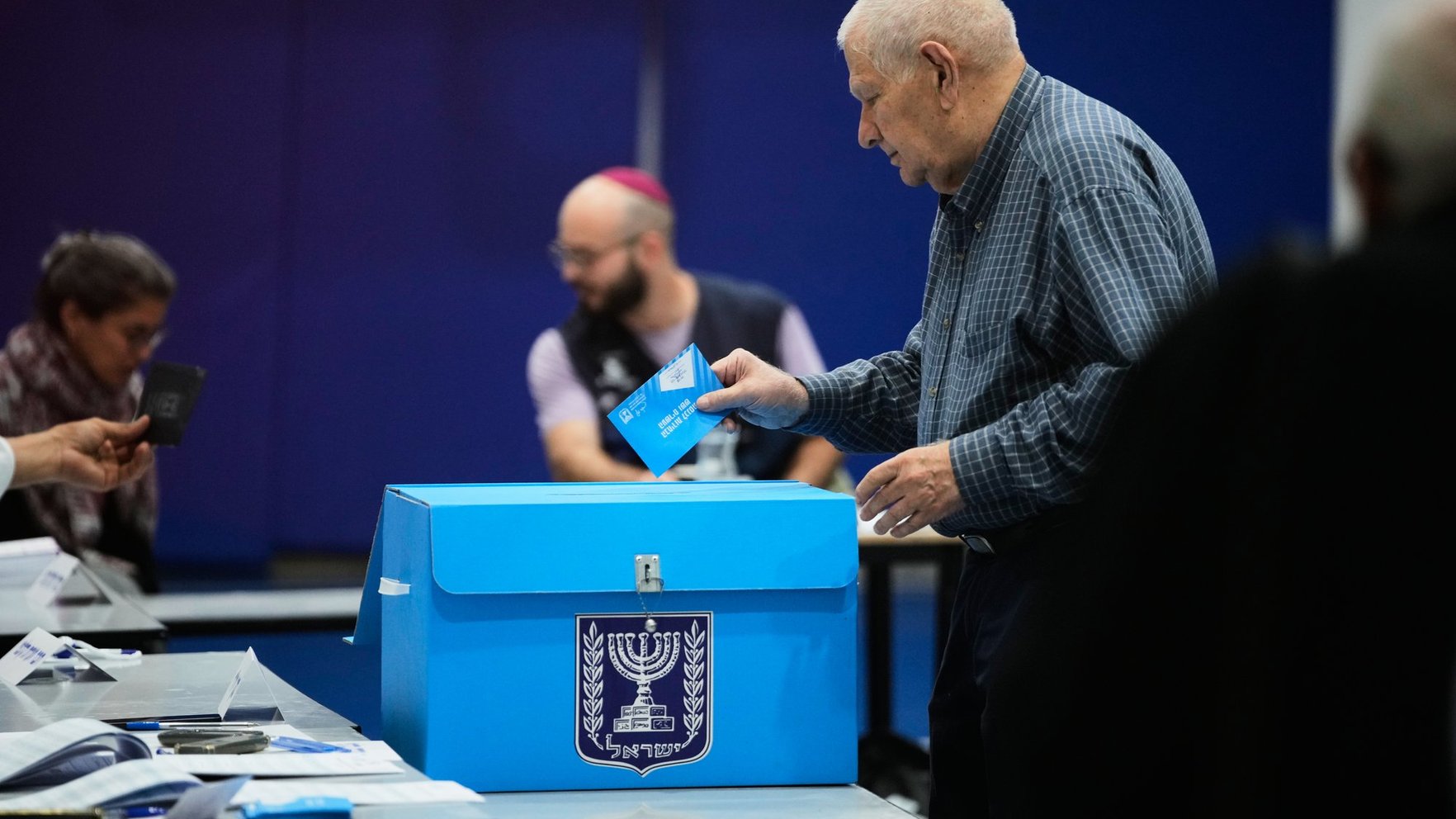
Israel votes in a parliamentary election on Tuesday, 27 October. Opinion polls indicate that neither the camp of Prime Minister Benjamin Netanyahu, the country's most influential politician for nearly 20 years, nor the bloc opposing him can count on an absolute majority. The result will show whether Netanyahu stays in power and which course Israel takes after a series of wars that destabilised the region.
High stakes
A poor result could end the career of the 77-year-old Netanyahu. Former prime minister Ehud Olmert, once a Netanyahu ally and now a rival, believes the stakes have never been higher, ranging from national security to the future of democratic institutions and Israel's international reputation. After wars that have shaken the global economy, the world is watching the vote closely.
Opponents' charges and supporters' arguments
Netanyahu's opponents are led by Gadi Eisenkot, a former chief of the armed forces. His camp argues that the prime minister must take responsibility for the attack of 7 October 2023, when the militant group Hamas and other armed groups struck southern Israel, killing more than 1,200 people and abducting 251 to the Gaza Strip. They also criticise what they see as a failure to turn battlefield successes into diplomatic gains. Eisenkot, whose son and two other relatives were killed in fighting, said of Netanyahu: "He is offering eternal war."
Netanyahu's supporters say the leadership guided the country through a hard period with heavy strikes on Hamas, the Lebanese group Hezbollah and Iran, and claim he was let down by the military leadership. During the campaign Netanyahu has claimed his rivals would create a Palestinian state next to Israel, which his main opponents flatly deny.
Building a coalition
Israelis vote for parties rather than individual candidates, and no party has ever won a majority alone, so coalitions are required. With Arab parties campaigning intensively, it is quite possible that neither main Jewish bloc will secure a majority. That could lead to weeks or even months of talks among about a dozen parties projected to enter parliament.
Both Netanyahu's allies and Eisenkot's bloc say they do not want to govern with Arab partners. Possible scenarios include a unity government, an Eisenkot-led government backed from outside by Arab parties, or fresh elections early next year, with Netanyahu remaining prime minister until then. Eisenkot says he will not serve in a Netanyahu government.