Israel and Hezbollah renew ceasefire after violent flare-up in Lebanon
Israel and Hezbollah have agreed to renew a fragile ceasefire in Lebanon after 24 hours of intense violence that threatened the newly signed US-Iran agreement.
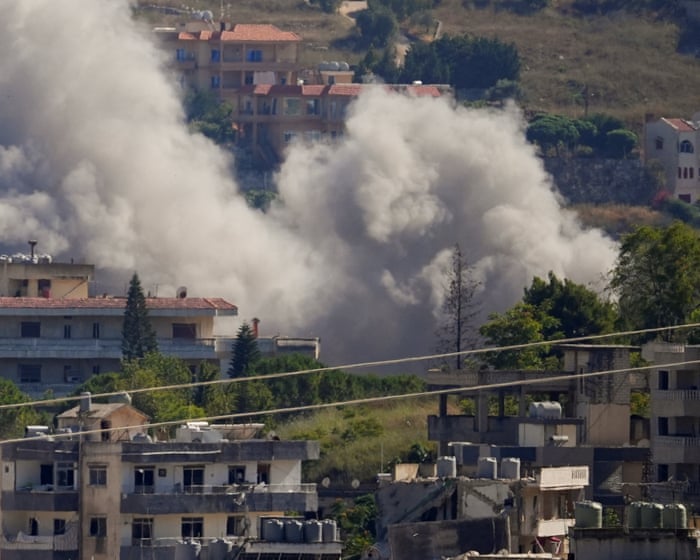
Israel and Hezbollah agreed on Friday to restore a fragile ceasefire in Lebanon following 24 hours of severe violence that posed an early challenge to the recent US-Iran deal to end their conflict. A planned meeting between US and Iranian officials in Switzerland to discuss implementing the new agreement was cancelled after Hezbollah killed four Israeli soldiers and Israel launched retaliatory airstrikes in southern Lebanon and the Bekaa valley, killing at least 47 people.
The talks were due to begin in the Swiss village of Obbürgen two days after the signing of a memorandum of understanding (MoU) that opened a 60-day window to negotiate a permanent understanding on Iran's nuclear programme while resuming oil traffic through the Strait of Hormuz. The MoU called for an end to hostilities on all fronts, including Lebanon. On Friday, Iran's chief negotiator, Mohammad Bagher Ghalibaf, warned against any breach, threatening a “decisive response … to the enemy”.
The new clashes between Israel and Hezbollah—which has close ties to Tehran—were the most violent since the ceasefire was established. Hezbollah targeted Israeli forces near the city of Nabatieh in southern Lebanon with rocket fire and drones overnight, following intermittent Israeli shelling on Thursday. Israel responded with airstrikes on the city and surrounding towns, hitting what it said were Hezbollah targets, killing at least 18 people and wounding 33, according to Lebanon's health ministry.
By evening, the violence appeared to have subsided. “If Hezbollah does not attack us, then for us it is not a time of war,” an Israeli official said late Friday, while two sources from Hezbollah confirmed a new ceasefire to Reuters. Many Israeli commentators believe the deal agreed by Trump earlier this week will strengthen Iran, and the killing of Israeli soldiers by Hezbollah sparked fury. Netanyahu, who promised the joint US-Israeli war against Iran would lead to regime change in Tehran, faced domestic criticism. His office said Israel would not tolerate attacks on its soldiers or territory and would “exact a very heavy price from Hezbollah for these attacks”.
