Israel and Lebanon Sign US-Brokered Framework Agreement
Israel and Lebanon have signed a framework agreement in Washington following US-brokered talks, marking a potential step toward lasting peace but with Hezbollah not included.
Israel and Lebanon have signed a framework agreement in Washington after days of US-brokered negotiations, the details of which remain unclear. The deal represents something of a victory for the Trump administration, which is simultaneously engaged in complex talks with Iran following the extension of a ceasefire between the two countries. Iran, Hezbollah's primary foreign backer, has repeatedly demanded that Lebanon be included in any negotiations with the US.
US Secretary of State Marco Rubio described the agreement as beginning "to put in place a framework for lasting peace and security" and called it a "first step" for what both nations deserve. However, previous ceasefires between Israel and Hezbollah have still seen near-daily cross-border strikes, with each side accusing the other of violations.
Washington has feared that ongoing Israel-Lebanon tensions could undermine the US peace deal with Iran, which includes a commitment to end fighting on "all fronts," including Lebanon. Over the past months, repeated Israeli strikes on targets in southern Lebanon threatened to derail efforts to settle the Middle East conflict.
The agreement, however, may be tenuous. Hezbollah is not a party to Friday's accord, and it remains unclear whether the group will agree to withdraw its fighters from the South Litani area in southern Lebanon. While President Trump has insisted that Israel has a right to defend itself from Hezbollah rocket attacks, he has also claimed he can "control Israel from attacking Lebanon." In an interview with Axios, Trump said, "They do as I say," referring to Israeli leaders.
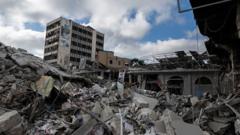
Lebanon was drawn into the wider conflict on March 2, when Hezbollah launched rockets into Israel in retaliation for an Israeli strike that killed Iran's supreme leader. Israel responded with an air campaign across Lebanon and a ground invasion in the south. A US-brokered ceasefire on April 16 failed to halt the fighting, and a subsequent agreement in June to renew the fragile ceasefire and establish security zones inside Lebanon also failed to stop the violence.