Israel's new Knesset could replace speaker in step toward ousting Netanyahu
Israel's newly elected parliament, the Knesset, is sworn in on Tuesday, and the opposition plans to replace a speaker allied with Netanyahu. The opposition has still not agreed on forming a government, but the move could affect its chances of unseating the prime minister.
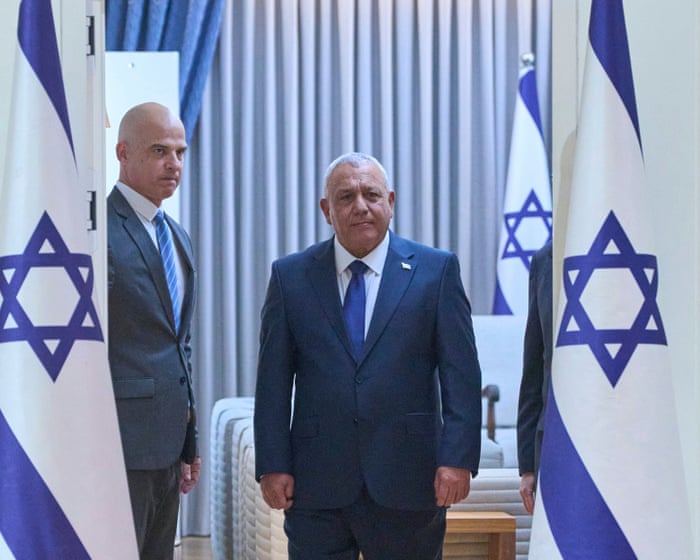
Israel's parliament, the 120-seat Knesset, is sworn in on Tuesday, 10 November. Opposition lawmakers will get their first chance to take over some levers of power, although they have not yet agreed on a new government to replace Prime Minister Benjamin Netanyahu. Replacing the speaker could matter because the post controls the legislature's agenda.
The speaker is currently Amir Ohana, a close ally of Netanyahu. Israeli media report that Gadi Eisenkot, a former Israeli military chief who received the presidential mandate to form a coalition government at the weekend, may take the job himself. If he does not, the opposition parties have agreed the nominee will come from his Yashar party. The opposition holds 67 of the 120 seats, enough to install a consensus candidate.
Security warning
More than 160 former senior security officials, including heads of the military, intelligence and police, warned that rightwing activists plan to disrupt the swearing-in with violence. A forum of retired commanders wrote to serving security chiefs that these activists intend to stop MPs and their family members from entering the building and are urging tens of thousands of supporters to join them.
Opposition divisions
Eisenkot has promised to build a national emergency government and acknowledged that not all campaign promises can be kept. Several Jewish-Israeli opposition parties refuse to sit with Palestinian-led parties, which hold over a quarter of the bloc's seats. Palestinian citizens, about 20% of Israel's population, voted in unprecedented numbers this year and won 19 seats. Without them, the opposition has fewer seats than Netanyahu's diminished coalition.
Rightwing opposition leader Avigdor Lieberman is seeking another route through an alliance with ultra-Orthodox parties, long Netanyahu's allies but frustrated that he has not passed broad military draft exemptions for their community.
What comes next
Ohana could delay swearing in a new government by up to a week, so some in the opposition want the speaker replaced quickly. If Eisenkot fails, the mandate passes to other leaders, and if they also fail, new elections must be held; meanwhile Netanyahu would remain at the head of a caretaker government. Gideon Rahat, a political scientist at the Hebrew University of Jerusalem, said that once a government is established, even a minority one, it would be hard to oust.