History of 'Incorrect' Midsummer Celebration: from the 18th Century to the Ulmanis Regime
Since the Middle Ages, June 24 has combined the Christian birth of John the Baptist with ancient pagan fertility rituals. From the 18th century to the Ulmanis regime, authorities tried to regulate these celebrations, viewing folk traditions as incorrect.
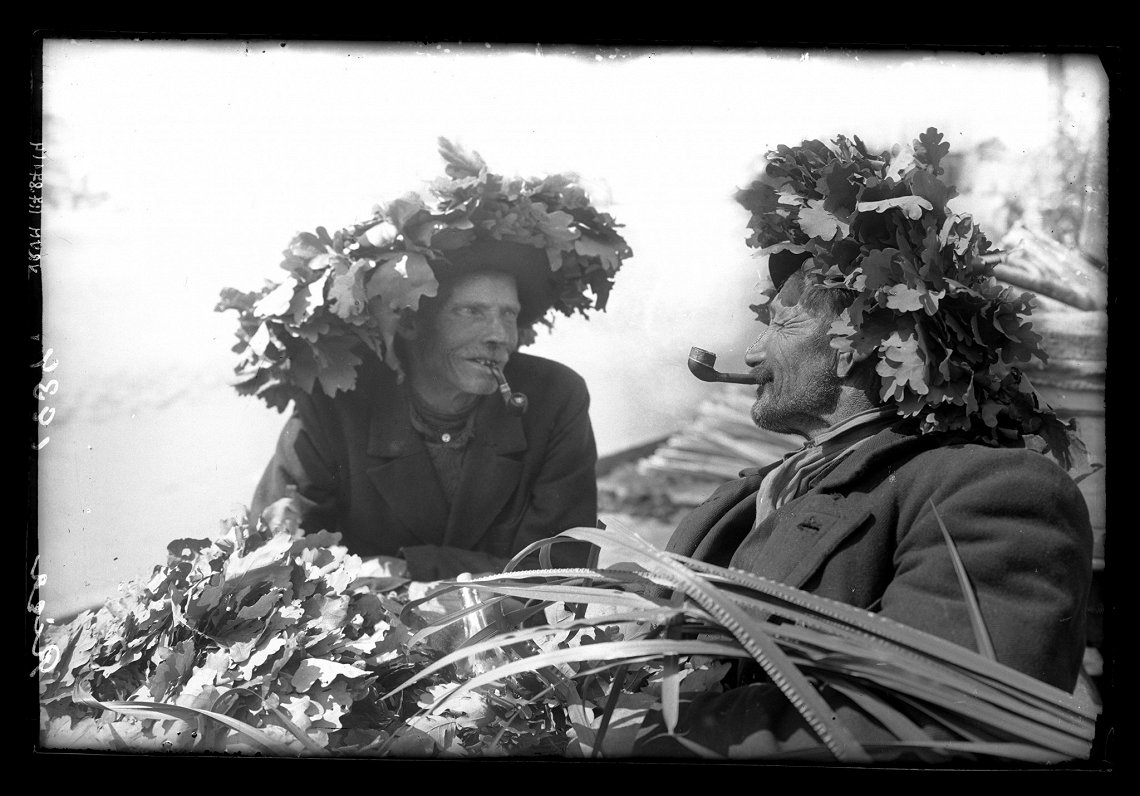
Since medieval times, June 24 has been a date where two fundamental layers of European culture converge. In Christian tradition, it marks the birth of John the Baptist, considered one of the most important religious holidays of the year. However, as soon as the celebrations left the church premises, peasants – historically the majority of Europe's population – engaged in merriment and pagan fertility rituals rooted in traditions thousands of years old.
These traditions included bonfires, weaving wreaths, singing, dancing, carousing, and staying awake all night – elements that today might seem uniquely Latvian for Jāņi, but were actually common across Europe. From the 18th century until the regime of Kārlis Ulmanis, authorities and the church often tried to limit these 'incorrectly' celebrated holidays, considering pagan practices incompatible with Christian teachings.
Historians point out that this struggle between official religion and folk traditions was not unique to Latvia – similar trends occurred throughout Europe. However, in Latvia's case, the process of national identity formation gave Jāņi a special symbolic role. During the Ulmanis regime (1934–1940), traditions were emphasized as expressions of Latvianness, though still controlled to align with official ideology.
Today, Midsummer is one of the most popular Latvian holidays, blending Christian heritage with ancient pagan traditions. This history reminds us that the festivities we celebrate today were shaped by a long interaction between different cultural layers and power structures.