The 'Incorrect' History of Midsummer Celebrations: From Pagan Rituals to the Ulmanis Regime
Since the Middle Ages, June 24 has intertwined Christian celebrations of St. John's birth with ancient pagan fertility rituals, leading authorities to crack down on folk traditions.
The 'Incorrect' History of Midsummer Celebrations: From Pagan Rituals to the Ulmanis Regime
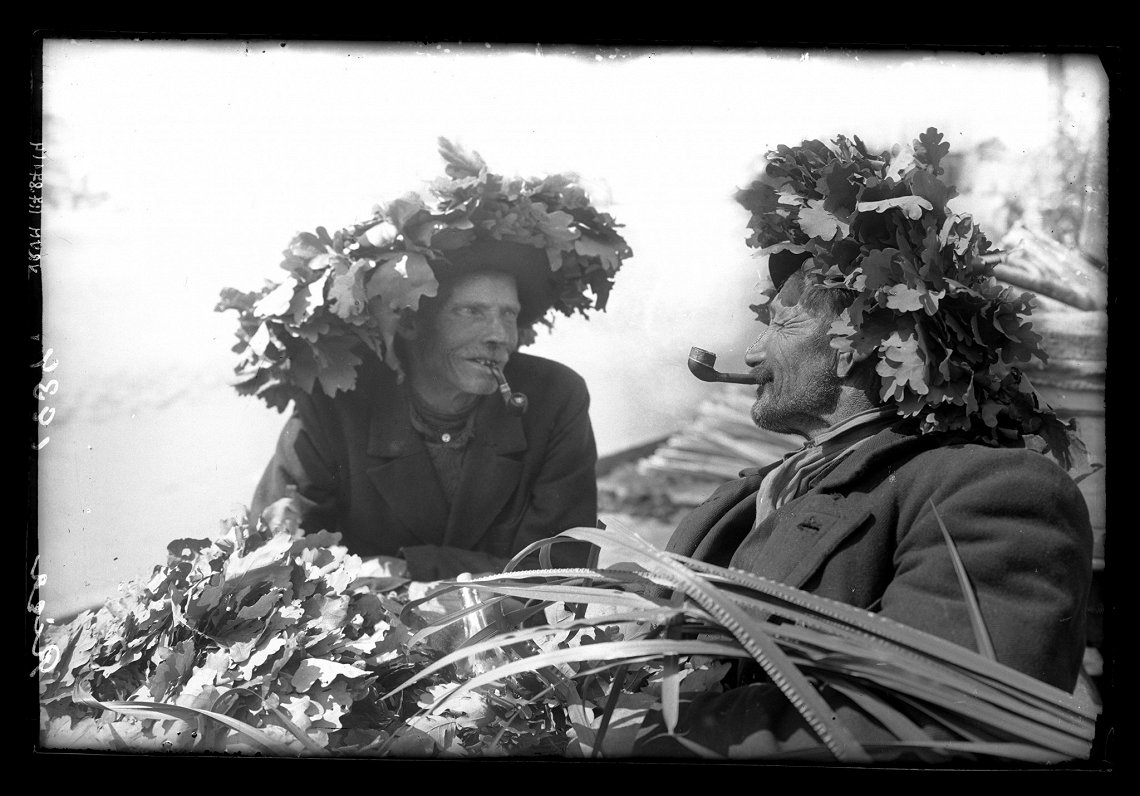
During the Middle Ages, when Europe celebrated June 24 as the birth of John the Baptist, peasants preferred quite different activities. Although Christianity made this day an important religious holiday, once church services ended, the majority of Europeans engaged in ancient pagan fertility rituals that were thousands of years old.
These traditions included bonfires, weaving wreaths, singing, dancing, and partying until dawn. From today's perspective, it is easy to forget that just a few centuries ago, such celebrations were common across Europe, not just in Latvia.
However, this 'incorrect' celebration displeased the authorities. Starting in the 18th century, churches and governments tried to suppress pagan customs, including Midsummer night's revelry. Later, during the authoritarian regime of Kārlis Ulmanis (1934–1940), attempts were made to regulate the festivities, making them more 'cultured' and aligned with official ideology.
Thus, Midsummer traditions have been a constant battleground between folk culture and official policy trying to dictate how these holidays should be properly celebrated. This history reminds us that Midsummer is not just modern entertainment but has deep cultural roots that have endured centuries of pressure.
/nginx/o/2026/10/07/17960440t1h7601.jpg)