Japan revises imperial succession rules but still excludes women
Japan's parliament on Friday passed amendments to imperial succession laws allowing princesses to marry commoners without losing their titles and adopting distant male relatives to preserve the male line. However, women remain barred from inheriting the throne.
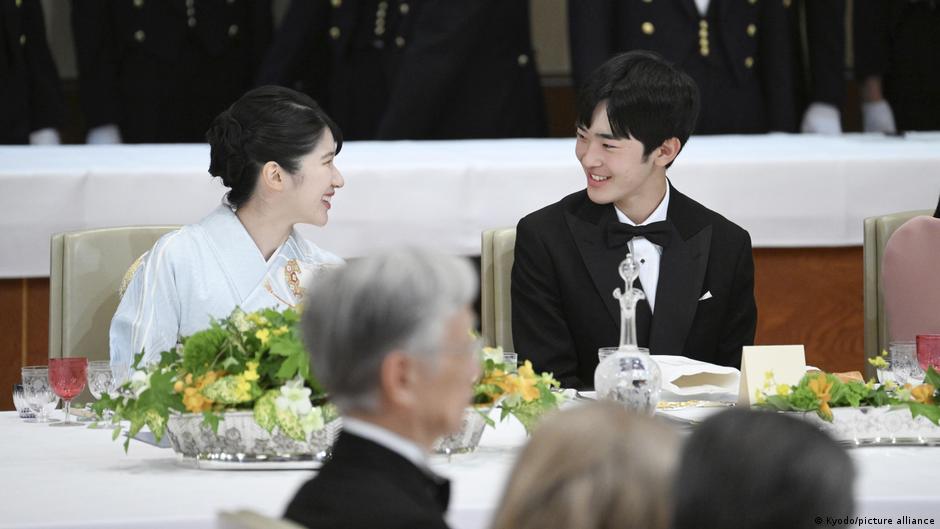
Japan's parliament approved changes to the imperial succession laws on Friday, aimed at safeguarding the future of the monarchy amid a dwindling number of male heirs. The reforms do not alter the fundamental rule that only men can ascend the Chrysanthemum Throne, despite public opinion favoring female succession.
Emperor Naruhito, 66, and Empress Masako have one daughter, Princess Aiko, 24, who cannot inherit under current rules. The next in line is Naruhito's younger brother, Crown Prince Akishino, 60, who has two daughters and one son, Prince Hisahito, 19—the only male heir under 60. If Hisahito fails to produce a son, the patrilineal line would end.
The new legislation introduces two key changes. First, princesses may now marry commoners without losing their royal status. Second, the imperial family can adopt distant male relatives aged 15 and older back into the family, allowing their future sons to become eligible heirs. This pertains to 11 families who left the imperial register after Japan's defeat in World War II to reduce financial burden on the monarchy.
Public opinion polls indicate widespread support for allowing women to reign. A survey by Mainichi Shimbun found 72% of respondents in favor of changing rules to permit a female emperor, while only 23% supported adopting distant relatives. However, Prime Minister Sanae Takaichi, Japan's first female premier, advocates maintaining the male-only succession, facing criticism even from within her Liberal Democratic Party (LDP).
Professor Hideya Kawanishi of Nagoya University told AFP that the LDP's conservative base holds "attitudes akin to male chauvinism" and that the measure was needed to secure their votes. He warned the amendments could undermine public support for the symbolic emperor system.
Historically, Japan has had 12 female emperors, with the last reigning in the 18th century. Formal exclusion of women from the throne dates only to 1890, during the Empire of Japan era.