Japan's superstitions create market for 'stigmatized properties'
Homes with a history of death or misfortune, known as 'jiko bukken,' are difficult to sell or rent in Japan, leading to a niche business of 'ghost investigations' and cleansing rituals.
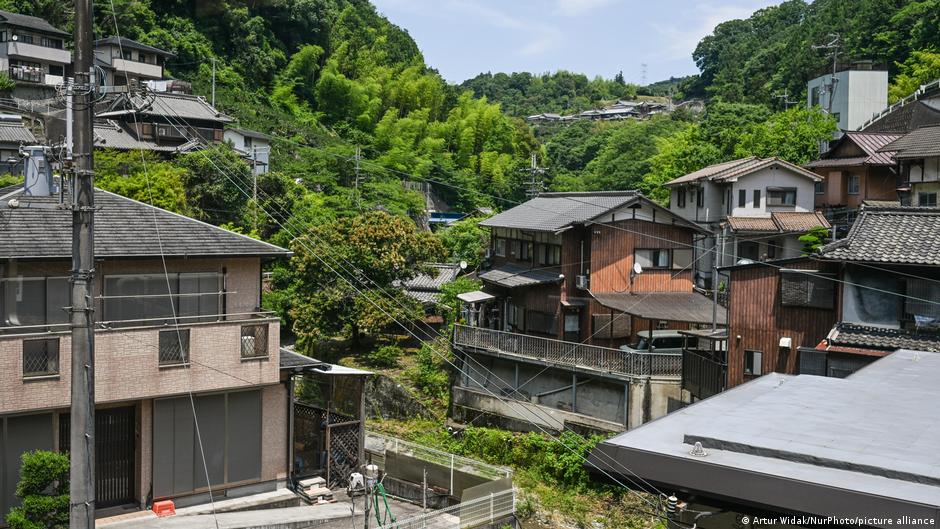
A two-story house in a Yokohama suburb has stood empty for at least five years. Though it could be renovated, no Japanese wants it because it is labeled as 'jiko bukken,' a stigmatized property where something bad happened—a suicide, fire, lonely death, or murder.
Japanese law requires real estate agents to disclose a property's history to potential buyers or tenants, making these homes even harder to move. Kazutoshi Kodama, president of Kachimode Co., specializes in managing such properties. He offers a 'ghost investigation' service: staying overnight from 10 p.m. to 6 a.m. using video, audio, electromagnetic wave surveys, and other equipment to verify the property is clean and free from supernatural phenomena. The service costs 88,000 yen (about €474).
According to a late 2024 government survey, Japan has 9 million vacant homes, accounting for 13.8% of all housing. While many factors contribute, superstition plays a role. Joey Stockerman, co-founder of AkiyaMart, notes that Japanese people are often superstitious and avoid properties near graveyards or where someone died. He knows an investor who bought a stigmatized property for less than $5,000 but struggled to find a tenant for two years. AkiyaMart now offers a Shinto priest service to 'cleanse' bad spirits.
Kodama believes the sector has potential, as demand for his services is soaring. 'There are properties where mysterious phenomena occur consistently,' he said, but most can be managed to make them livable again.