Japanese town's first mosque sparks protests and identity debate
Plans to build the first mosque in Fujisawa, Japan, have triggered both protests and support, reflecting growing anxieties over immigration and cultural change in an aging society.
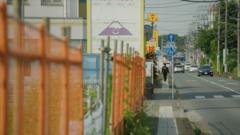
In the laid-back seaside town of Fujisawa, about an hour's drive south of Tokyo, plans to erect the first mosque have stirred a range of emotions—from anger and fear to hope and acceptance. The controversy highlights rising concerns over immigration and social transformation as Japan grapples with labor shortages due to a shrinking and aging population.
Earlier this year, thousands of protesters gathered at the local train station to oppose the mosque's construction. Some argue that a mosque larger than the nearby Shinto shrine is disrespectful. Hate speech and misinformation have spread on social media, and mosques have received abusive calls and emails. Anti-hate groups have organized counter-protests calling for no hate.
Long-time resident Noriko Izumizawa admits she fears the unknown, though she has never had a negative experience with Muslim neighbors herself. Hiroki Suzuka, who manages a coffee shop opposite the proposed mosque site, calls for greater understanding and dialogue.
Mohamed Mohideen, a Sri Lankan businessman who has lived in Osaka for 39 years, notes a recent rise in hostile remarks against Muslims both online and in person. He emphasizes patience and the need for Muslims to help Japanese people understand their faith. "We focused only on our work and didn't make enough effort to help people understand who we are," he says.
According to Waseda University professor Hirofumi Tanada, the Muslim population in Japan reached about 420,000 by the end of 2024, up from 230,000 in 2019. The foreign resident population surpassed four million in 2025, with a record 2.57 million working. Meanwhile, Japan's population declined by nearly one million in the same year.
The Japanese government avoids calling the country an immigration nation, but it promotes visa programs seen as temporary. Prime Minister Sanae Takaichi has taken a conservative stance against large-scale immigration. In June 2026, the government raised visa fees fivefold and plans to increase Immigration Services Agency staff to crack down on illegal overstaying.