Besieged Yemeni city of Taiz: residents describe hunger and constant shelling under Houthi blockade
Houthi rebels fully encircled the government-held city of Taiz, Yemen's third largest, last month. Seven residents told the BBC about shortages of food, medicine and fuel, and shelling that never stops.

The Yemeni city of Taiz, held by the internationally recognised government, is now completely surrounded. Iran-backed Houthi rebels, who are fighting the government in Yemen's civil war, closed the final gaps last month. The city, home to an estimated 600,000 to one million people, is Yemen's third largest and has been cut off from the outside world since. The BBC reached seven people inside it.
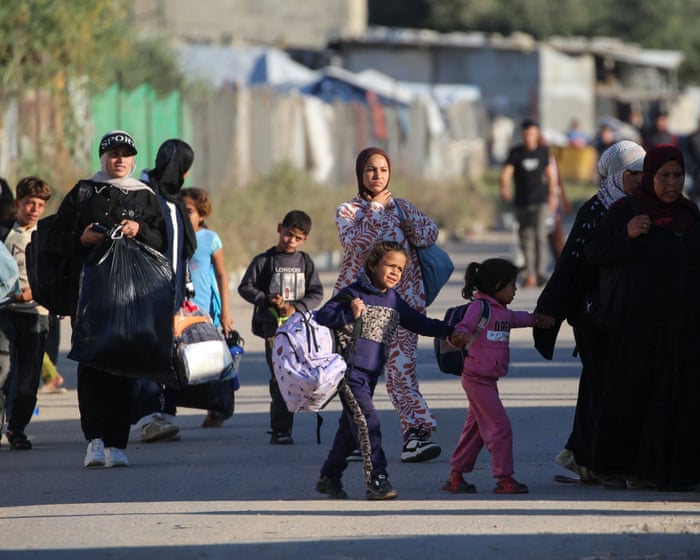
Their accounts indicate that only a minimal amount of food can enter. Prices of staples such as rice, sugar and cooking oil have doubled or even trebled, while supplies of medicine, water and fuel are dwindling. Schools and restaurants are shut. Rubbish is trapped inside the city, and when residents burn it, toxic smoke hangs in the air.
The Office for Siege Affairs, a local government department, says 148 civilians have been killed in Houthi attacks since August, though estimates of the toll vary. Houthi fighters and snipers fire on the city from surrounding hills. An emergency room doctor, called Yaser, said four children shot by snipers were recently brought to his hospital, and two of them died. He said the hospital could keep running for about two more weeks, "maybe".
Taiz's governor, Nabil Shamsan, said hospitals have lost 70% of their capacity and 120 health centres have closed. He said diseases are spreading, neonatal deaths are rising and malnutrition is increasing, while hundreds of kidney patients are missing dialysis. He added that dozens of residents are buried each day.
Houthi leader Abdul Malik al-Houthi has denied that Taiz is besieged, claiming that routes for food, medicine and aid remain open. The government, residents, aid agencies and the United Nations reject that.
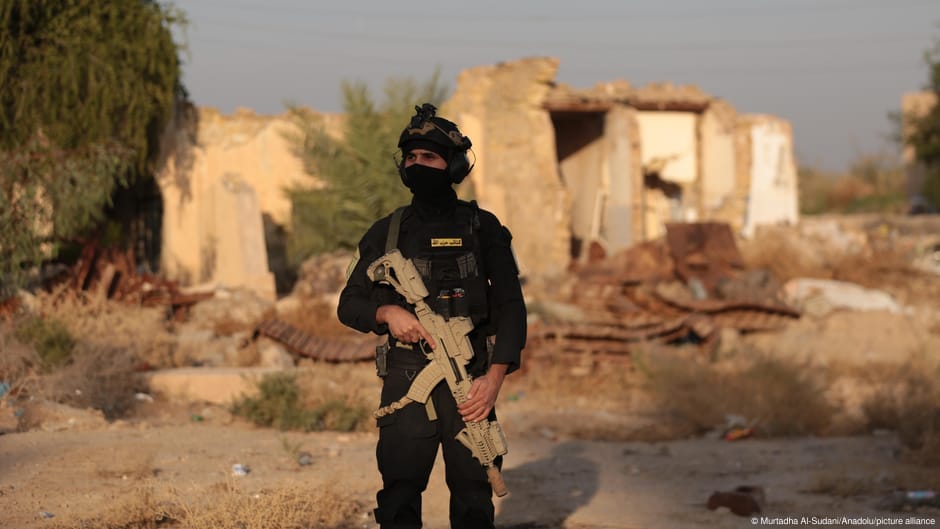
The city is defended by five pro-government brigades and volunteers who lack heavy weapons. Local resident Akram said the Houthis now have new technology, missiles and drones. Ashwaq, a teacher and mother of three, tells her children the booms are just fireworks, and asks the world not to forget Taiz.
The conflict has flared up in recent months after a four-year lull, with the Houthis taking territory from the government and striking Saudi Arabia with missiles and drones. Almost 350,000 people have been displaced by fighting in recent months.