How families can find each other in a crisis if communications fail: advice from a war museum expert
Mārtiņš Ruģēns of the Latvian War Museum advises families to agree in advance on a meeting point, an evacuation site and a contact person. He also urges parents not to rush to schools or kindergartens at once in a crisis.
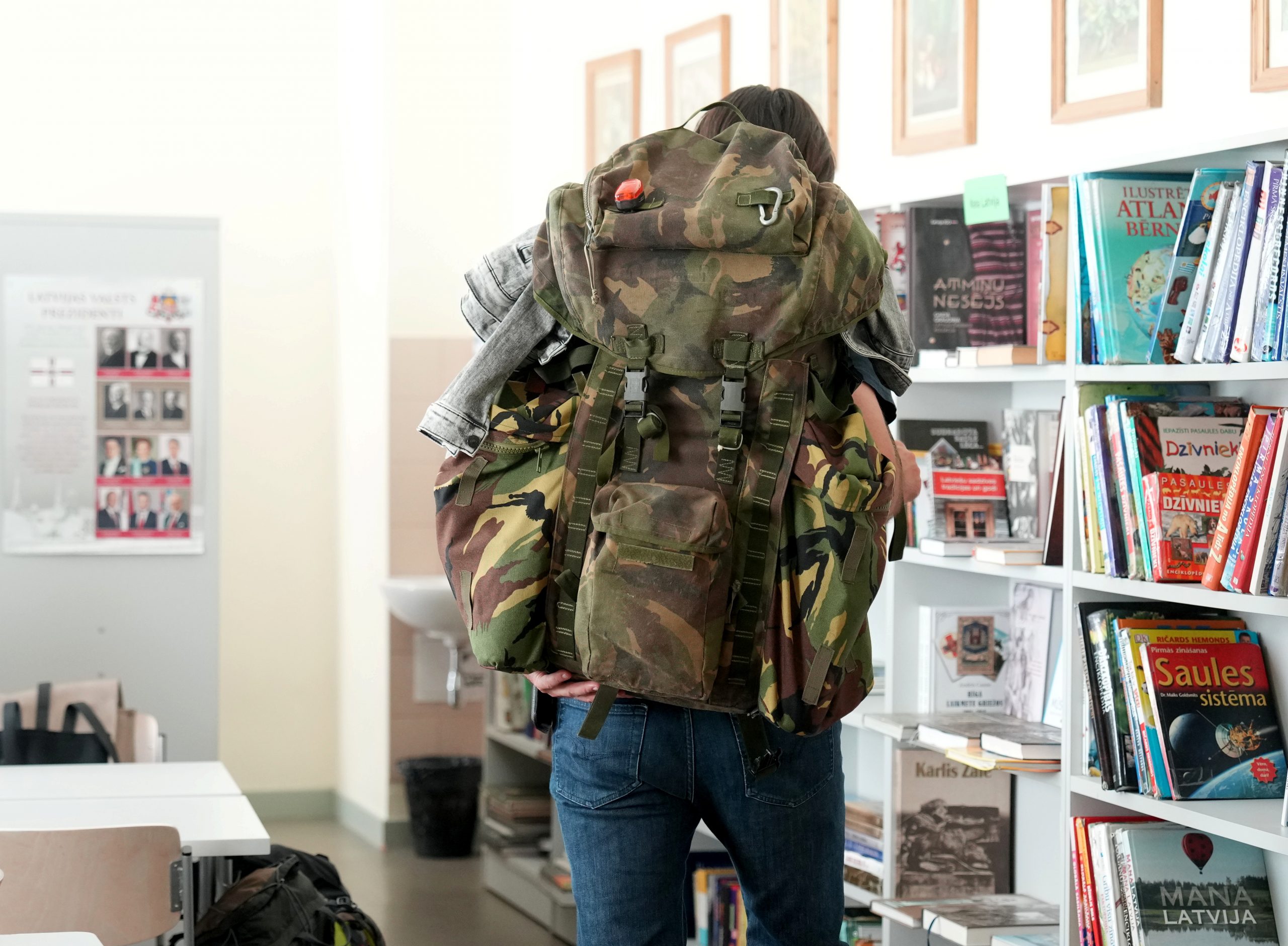
Mārtiņš Ruģēns, a project manager in the public education department of the Latvian War Museum, has explained to the news portal LA.LV how families in Latvia should act during war or another serious threat if electricity and mobile networks are down and relatives are in different places. In his view, the most important work must be done now, while nothing bad has happened. This is a follow-up to an earlier conversation about where to go if people must leave their homes and who decides on evacuation.
Agreeing in advance
Ruģēns says adult children should take responsibility for their parents, and also for neighbours such as lonely seniors and people with mobility problems. Without a prior agreement, people start searching for one another chaotically and expose themselves to risk. He lists several points to settle early:
- a local meeting place near home, such as a square or a school;
- an evacuation site in a safer part of the country, for example with relatives in the countryside;
- a contact person to whom everyone sends their location; in a weak network, SMS is advised, since unlike a WhatsApp message it can be sent even with poorer coverage;
- paper maps with a marked route and a notebook with addresses and contacts;
- divided responsibilities, including small tasks given to children.
He recommends preparing several routes, at least one of them on foot, because roads may be damaged or reserved for military equipment. If the authorities have announced an evacuation, their instructions must be followed.
No car or limited mobility
People without a private vehicle will be evacuated centrally by municipalities and emergency services, which will announce gathering points such as schools, cultural centres or stadiums. Luggage should be kept small. Responsibility for people with mobility problems rests with the family together with the social service and the municipality.
Do not rush to school
Schools and kindergartens are responsible for children's safety, and staff must be ready to take them to shelters or evacuate them. If all parents head to schools at once, traffic jams will form and may block emergency vehicles. If communications work, parents should follow announcements from the school.