Dog Body Language: How Owners Can Read Their Pets' Signals
Dogs communicate with people not only through sounds but also through posture, gaze and everyday habits. UK animal welfare charity Dogs Trust says many signs of stress and discomfort are very subtle.
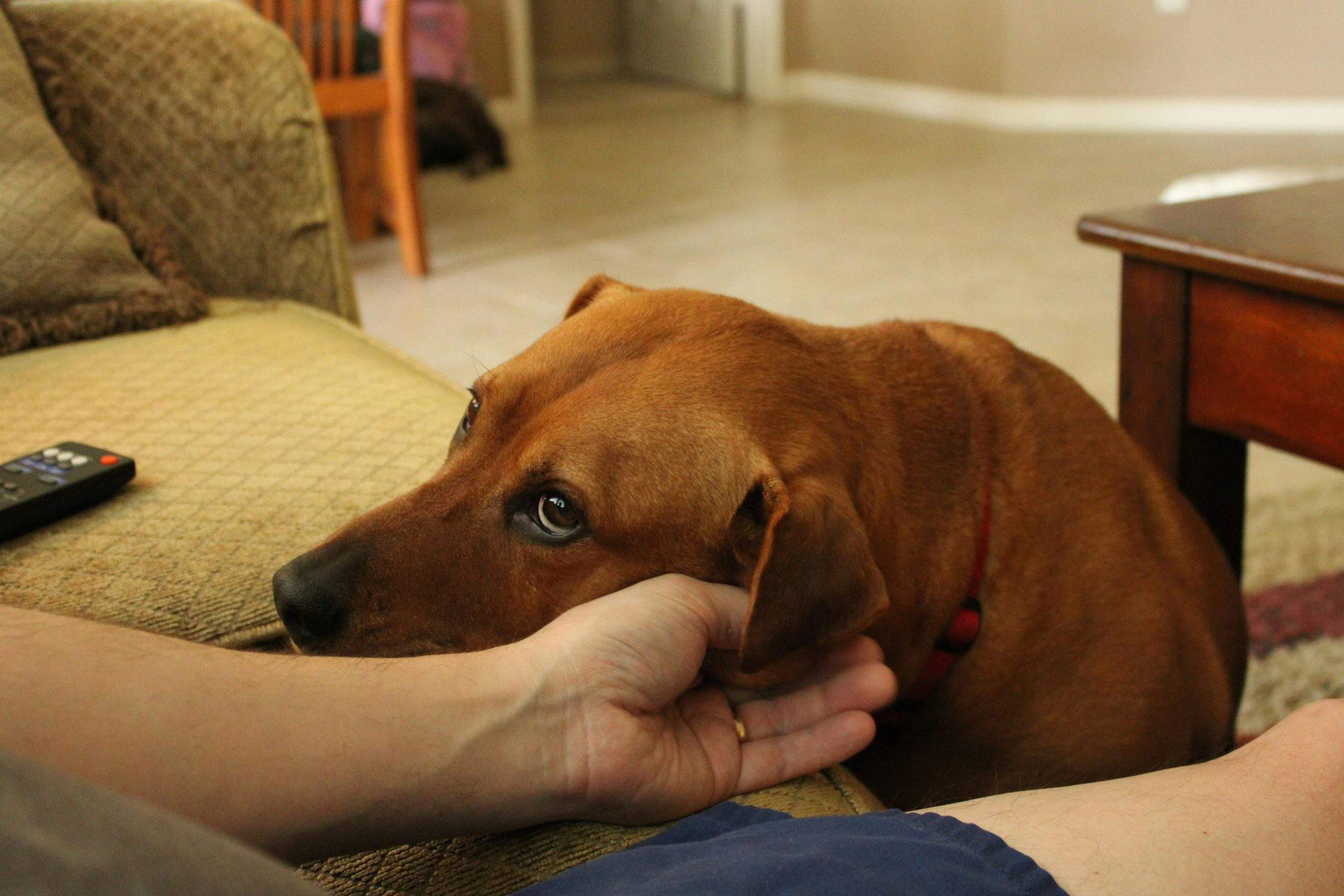
Pet dogs communicate with their owners far more broadly than it may seem: not only by barking, whining or growling, but also through body posture, ear and tail movements, eye contact and facial expressions. These signals can show that an animal wants to play, asks to be left alone or does not feel safe. A feature published by the Latvian newspaper Latvijas Avīze offers dog owners a roundup of 15 body language signals worth learning to recognise.
Subtle signs that are easy to miss
Owners sometimes notice a dog suddenly look away, lick its nose or yawn even though it is not tired. A dog may also wag its tail happily while keeping its body tense. Such small details can reveal more than they first appear to.
Dogs Trust, a UK animal welfare organisation, explains that many signals of canine stress and discomfort are very subtle and brief. If a person does not notice them, the dog may begin to show much clearer signs of displeasure.
No single movement should be judged in isolation
The article stresses that every gesture must be considered in context. Tail wagging does not always mean joy, yawning does not always indicate stress, and an exposed belly is not always an invitation to pet the dog.
With this approach, owners can better understand their pet's needs and react in time, before the dog becomes restless or shows more pronounced displeasure.