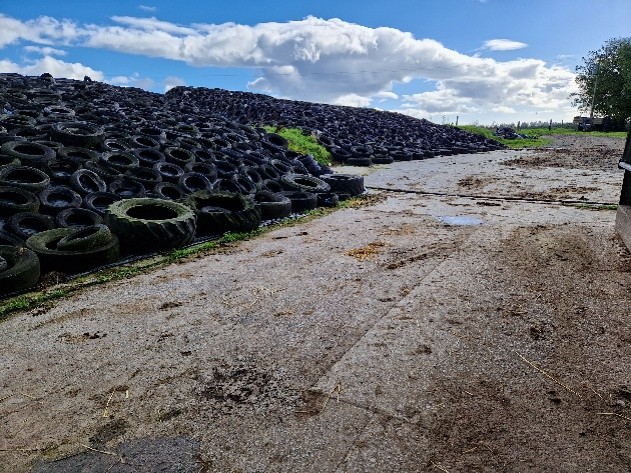
How to prepare farm machinery for winter storage
After harvest, farmers are advised to keep machinery in a dry, covered place, cleaned and serviced beforehand. This helps limit corrosion, paint damage and faults in electronics.
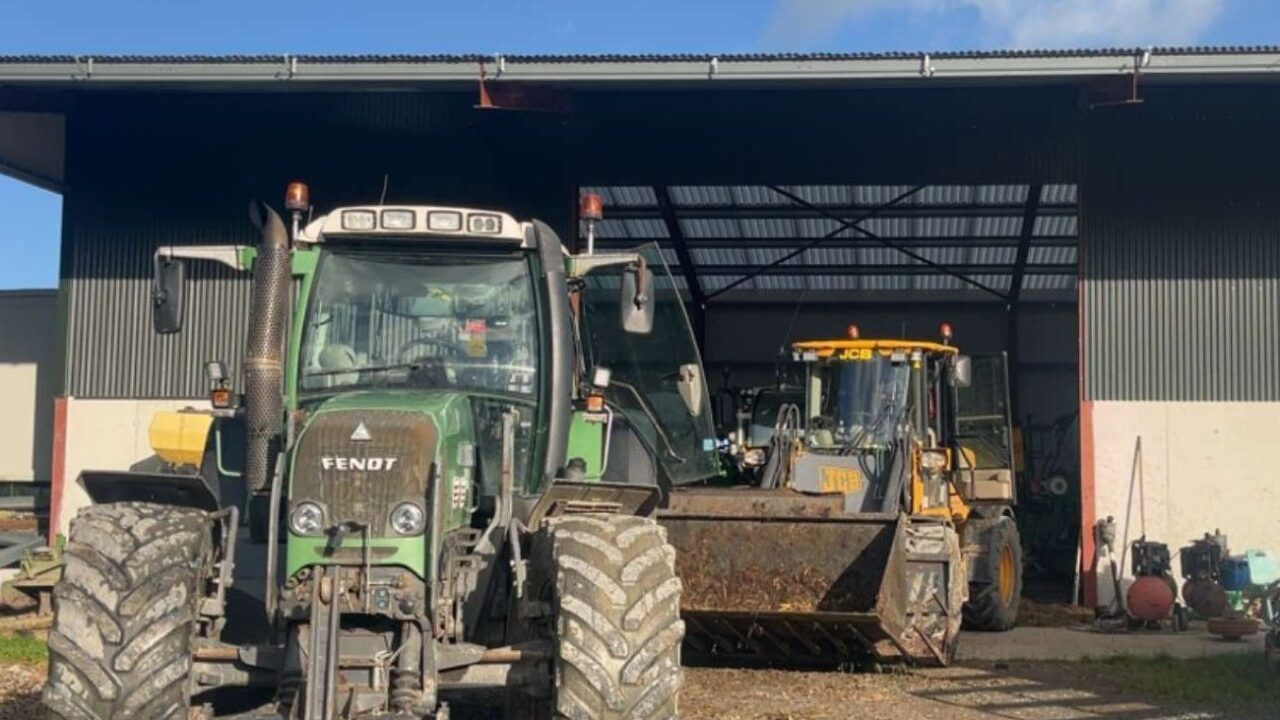
With harvest over, farmers are preparing agricultural machinery for winter storage. Agriland UK, a British farming news site, notes that the ideal place is a dry shed with a concrete floor, but this is not always available, so some machines must spend the winter outdoors. Exposure to the elements can significantly affect the condition, appearance and service life of large machines.
Where to store
Machinery should be kept in a dry, covered space. Water, oxygen and moisture promote rust and corrosion. Rainwater can collect in pockets and hidden spots, letting rust develop without the owner noticing. Corrosion can affect chassis components, wheel rims, linkages, bearings and the working parts of implements.
Moisture and salt can leave paint looking chalky and washed out, and once it chips, the surface is open to rust. Freeze-thaw action occurs when water enters cracks in paint, the roof or trim and expands as it freezes, fracturing the material. Modern machines also carry a lot of electronics, and condensation can damage sensors, precision farming equipment and ISOBUS connections (the standard links for data exchange between tractors and implements).
Servicing before storage
Machines should be serviced and cleaned before being put away. Dirt speeds up deterioration; for example, silage containing moisture leads to rust. Minor faults can have wider consequences: a worn bearing that fails in service can damage a shaft or housing, turning a simple replacement into a costlier repair. Necessary repairs should be done before storage.
What to check
Operators should first look for corrosion on chassis sections, wheel rims, linkages and other exposed metal, and beneath guards and around joints where dirt and moisture gather unnoticed. Hydraulic hoses, fittings and cylinder rods should be checked for leaks, damage and wear, belts and chains for deterioration, and wiring and connectors for damage or corrosion. Tyres should be inspected for cracking, with pressures set to the manufacturer's recommendations. On tracked machines, tracks and rollers should also be examined. Residues of grass, silage, soil, slurry and fertiliser should be removed, which makes defects easier to spot and leaves nothing corrosive on the machine over winter.