Protecting modern tillage soils from damage by heavy machinery
Modern arable farming practices leave soils more vulnerable to the pressure of heavy machinery. Careful management and suitable equipment choices can limit the damage.
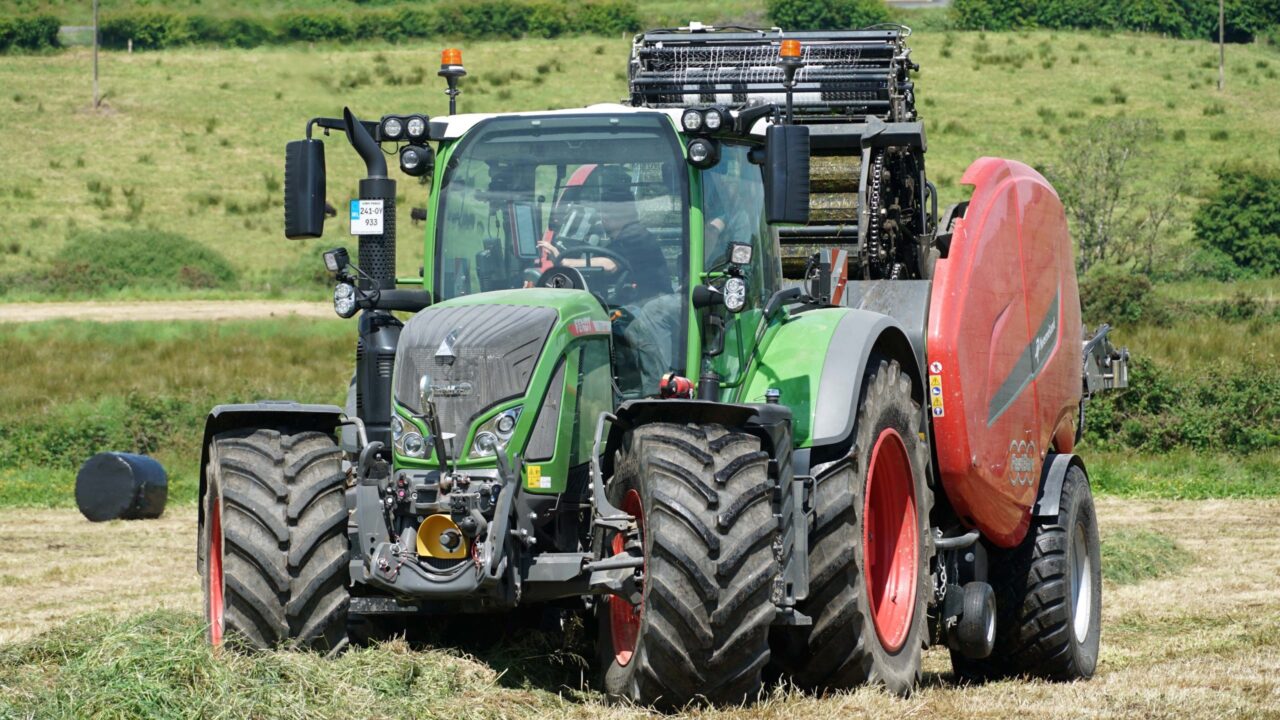
An article published by Agriland UK on farming in Ireland says that modern tillage (arable) practices make soils more vulnerable to heavy machinery and high traffic volumes. Even so, tillage land can still perform well if it is handled with care.
What has changed
Until the 1970s, virtually all tillage took place on mixed farms. Fields were typically in grass for seven to ten years, followed by three years of annual crops, and then returned to grass. This produced resilient soils with high organic matter levels.
Today, because of specialisation, most tillage fields are cropped for 40 to 50 years. That lowers soil organic matter and increases the risk of structural damage. Soils with low organic carbon can still function, but they need to be managed with great care.
Moisture is the key factor
Soil moisture is the most critical factor. Very dry soil resists structural damage, but as it gets wetter it weakens and compacts more easily. Machinery or animal traffic can cause compaction, in which soil aggregates are pressed together and the empty pore spaces between them shrink. More serious damage occurs when the aggregates themselves break down.
Growers usually judge conditions by how sticky the soil is on a spade, a boot or in the hand, and the result depends on the proportions of sand, silt and clay. Surface moisture, however, is not always a good guide to conditions deeper down, and heavy axles can do the most harm to wet layers well below the surface. In autumn the soil can be drier underneath, and ploughing combined with one-pass sowing often works well. In spring, after a wet spell, a drying topsoil can hide wetter soil below, as was common in 2024.
Reducing ground pressure and choosing crops
The pressure a wheel exerts can be lowered by reducing the load on it or by increasing tyre size and the contact area with the ground. Loads can be cut by choosing smaller machines, and bigger is not always sensible given Irish field sizes and the distances between fields. Trailed equipment can greatly reduce axle loads, though much of what is available is not designed for small fields or wet conditions.
Crop choice also matters. Oilseed rape is sown in August and harvested in July, so the main machinery work happens when soil is likely to carry loads well. Vegetable crops that need heavily cultivated seedbeds and have contract-set harvest dates, such as carrots, should be grown only on light, free-draining soils.