Latin American banana producers seek better pay to cope with climate impact
Banana producers in Latin America, hit by extreme weather during this year's strong El Niño, want markets to recognise real production costs. Fairtrade is urging UK legislation against unfair trading practices.
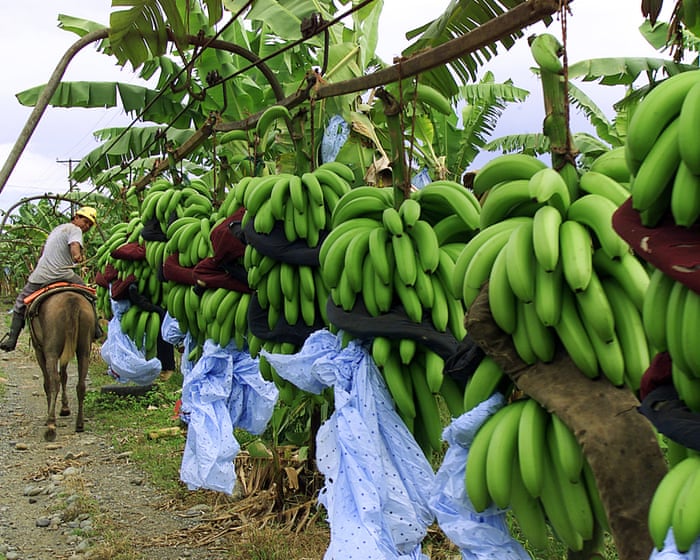
Banana producers in Latin America are calling for higher pay as this year's strong El Niño (a periodic Pacific warming that drives extreme weather) is already cutting output, according to the ethical trade body Fairtrade Foundation. Colombia, a major supplier to the UK market, is among the affected countries, and growers face rising costs alongside climate-related losses.
Weather impact
Fairtrade says high winds have hit parts of Colombia, while heavy rain is affecting Peru and Ecuador. Drier and warmer than usual conditions are forecast in the Dominican Republic. During the previous El Niño cycle, productivity among Fairtrade farmers and workers fell 13% in the Dominican Republic, 22% in Ecuador and 6% in Peru year on year. Fairtrade climate lead Dr Carley-Jane Stanton said impacts for producers are expected to be more severe than in the 2023-24 cycle.
Exports from the Colombian Caribbean region fell 32% to $122m between July and September, according to the Association of Banana Growers of Magdalena and La Guajira. In September alone, shipments dropped 42% year on year and earnings fell from $70m to $40m. The association urged international markets to set commercial conditions that reflect actual production costs.
Demands on markets and lawmakers
Fairtrade wants UK legislation to tackle unfair trading practices, such as low or late payments to farmers and contracts that push risk down the supply chain, so producers can invest in resilience to severe weather. Some retailers, including Sainsbury's, the Co-op and Waitrose, voluntarily sell only Fairtrade bananas, which carry a guaranteed minimum price.
Supermarket banana prices have stayed unchanged for almost 40 years despite higher fertiliser, fuel and labour costs. Caoimhe Buckley of supplier Fyffes said the shelf price must reflect the real cost of production, including wages and climate adaptation. Research by the Ethical Trading Initiative found that in 2026 prices paid to suppliers did not cover basic production costs for 66.7% of them. A 2020 study for the Inter-American Development Bank suggests land suitable for banana growing in Latin America and the Caribbean could shrink by an average of 61% by 2050.