How to Protect Houseplants from Dry Air and Radiator Heat During the Heating Season
During the heating season, houseplants are threatened by dry air, overheating, cold from windows and pests. The outlet DoctorPiter has compiled tips for raising humidity and protecting plants.
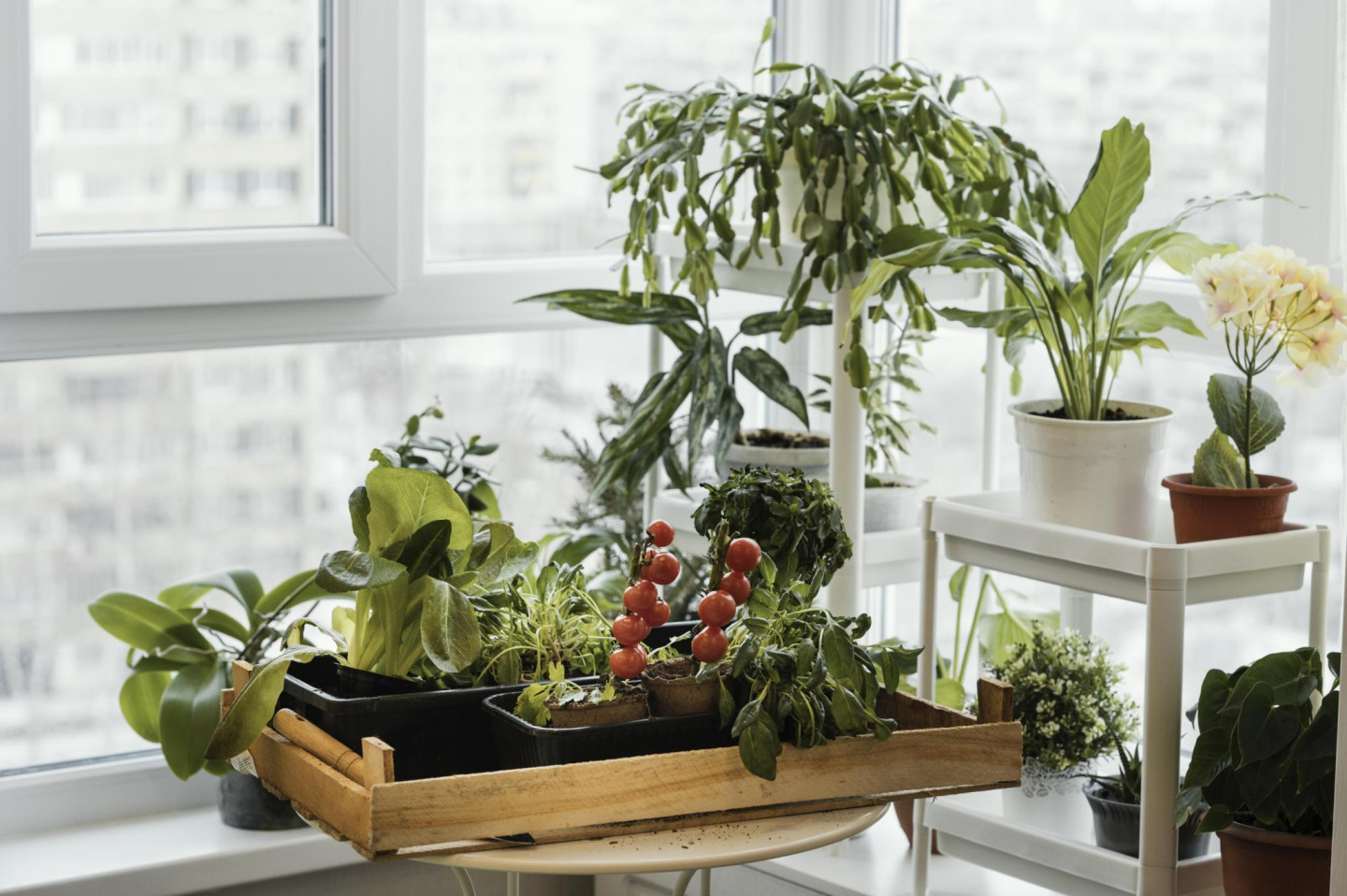
As central heating is switched on in cities, indoor air becomes warmer and drier. This can harm houseplants, so the Russian outlet DoctorPiter has compiled recommendations for protecting them from dryness, overheating, cold and pests. Winter is approaching, so the home climate deserves attention.
What problems arise
Low air humidity makes leaves curl and their tips dry out. Dryness is especially harmful to moisture-loving plants. Air that is too warm causes plants to wilt and dry up. In autumn and winter, pests such as spider mites, scale insects and thrips become active, sucking plant sap and nutrients. Hot air can also encourage powdery mildew and root rot.
How to raise humidity
The simplest solution is an air humidifier, which helps both plants and people. Flat dishes of water can be placed next to pots so the water evaporates and moistens the air. Plants can be misted in the morning with warm, settled water, though this does not suit every plant. Grouping plants close together creates a more favourable microclimate, especially with water containers nearby.
Protection from cold and heat
Windowsills provide light, but windows can let in drafts. Pots can be placed on stands made of foam plastic or polycarbonate, and a "coat" can be made around the pot from coarse fabric, old knitwear or a cut-up plastic bottle. It is important not to block the bottom of the pot, so excess water can drain away.
Against radiator heat, shields made of thick fabric, plastic or foil-covered cardboard can be placed 3–5 cm from the radiator. Plants that need high humidity are better moved farther from radiators.
Dealing with pests
For a small infestation of aphids or whiteflies, spray the whole plant with soapy water. Scale insects are removed mechanically with a cotton pad, soft toothbrush or sponge dipped in soapy water, vodka or 70% alcohol. Against spider mites, a garlic infusion helps: simmer 200 g of chopped garlic in 1 litre of water for 15 minutes, cool, strain and dilute with 5 litres of water. These methods are repeated every 5–7 days. If they fail, biological products, insecticides or fungicides should be used.
Regular checks, timely pruning and seasonal feeding can also help plants cope with temperature swings.