Potash Development Association issues new nutrient guidance for potato crops
The UK's Potash Development Association (PDA) has published new nutrient considerations for growing potatoes. They cover the roles of potassium, calcium and magnesium in yield and tuber quality.
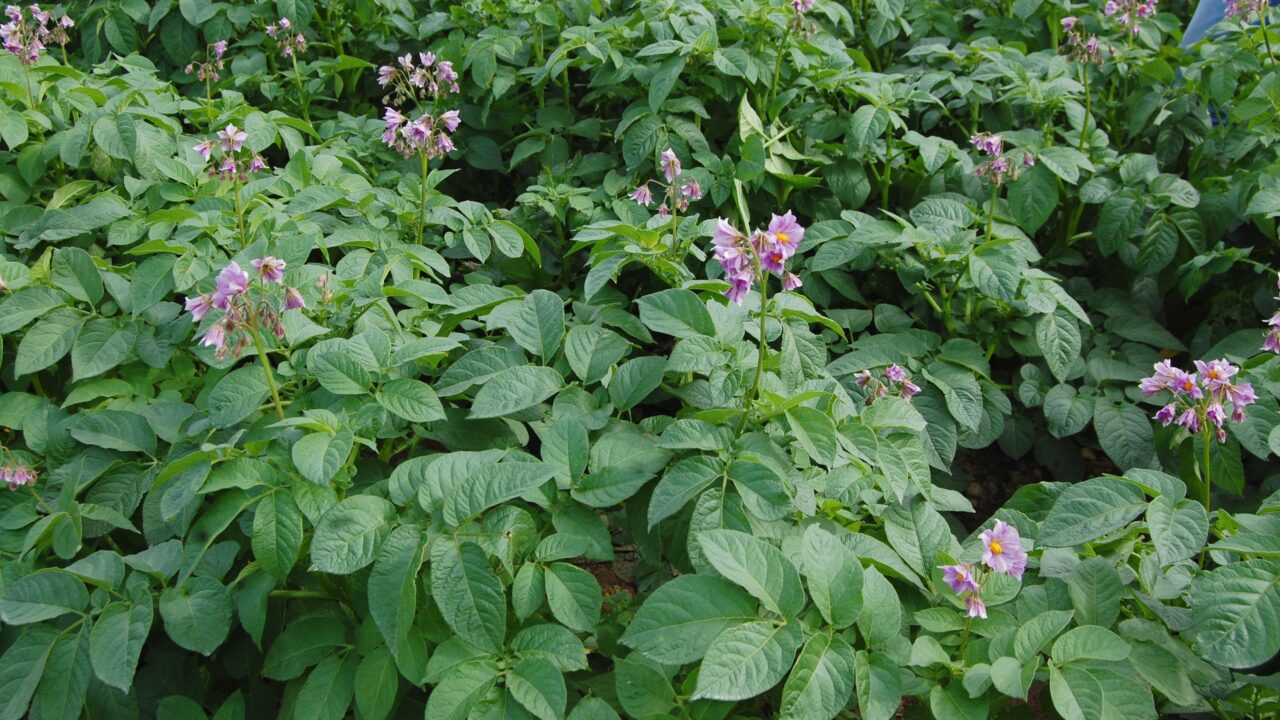
The Potash Development Association (PDA), a UK body focused on potash use in farming, has published several new considerations on nutrition for potato crops. The guidance covers potassium, calcium and magnesium, and how each affects yield and tuber quality.
Potash
According to the PDA, potatoes need enough potash in the soil to meet both the peak demand during early vegetative growth and the total uptake in late summer. Where soil reserves fall short, the supply must be topped up with potash in fertiliser or manure. These additions may be less efficient at supplying potassium (K) than the soil's own reserves.
Long-term experiments show that yields from impoverished soils are unlikely to match those from fertile soils, even when large amounts of potash fertiliser are applied. Once soil potash reserves have been run down, improving a low-potash soil can also take several years.
Calcium
Calcium is a somewhat overlooked nutrient in arable crops, other than for its role in soil structure and its link to liming. For potatoes its importance is better understood because of its effect on tuber quality. Calcium helps maintain healthy cell walls, which reduces internal brown spots in tubers known as internal rust spot. Healthy cell walls also improve skin finish and protect against physical damage at harvest and in storage. They also help guard against pests and disease, since thinner, weaker walls are more prone to attack. There are reports of benefits from applying a non-liming source of calcium to potatoes.
Magnesium
Magnesium is a key nutrient for all crops because it is part of the chlorophyll molecule and so is essential to photosynthesis. It is also involved in producing and using carbohydrates, helping move them from leaves to tubers. Deficiency symptoms tend to appear first in older leaves near the base of the plant, because the nutrient is mobile and moves to new growth when uptake is limited. A shortage can cut productivity well before symptoms are visible, and it reduces root growth and chlorophyll concentration, lowering the photosynthetic rate.
Potassium and magnesium imbalance
There is some evidence that potash availability and uptake can fall on soils with excessive magnesium, even when soil potash is not itself limiting. This is most often linked to long-term use of magnesian limestone to correct pH. Where soil magnesium is more than double soil K, potash applications may need to rise above the normal recommended rate.

