How a Kaliningrad air raid alert turned into an operation against Lithuania
Media monitoring firm Repsense says that after an air-raid alert in Russia's Kaliningrad on 21 November, Russian state media and English-language accounts on X needed three hours to build a claim of a Ukrainian or NATO attack from Lithuania. Its analysis covered 2,875 publications in 31 languages.
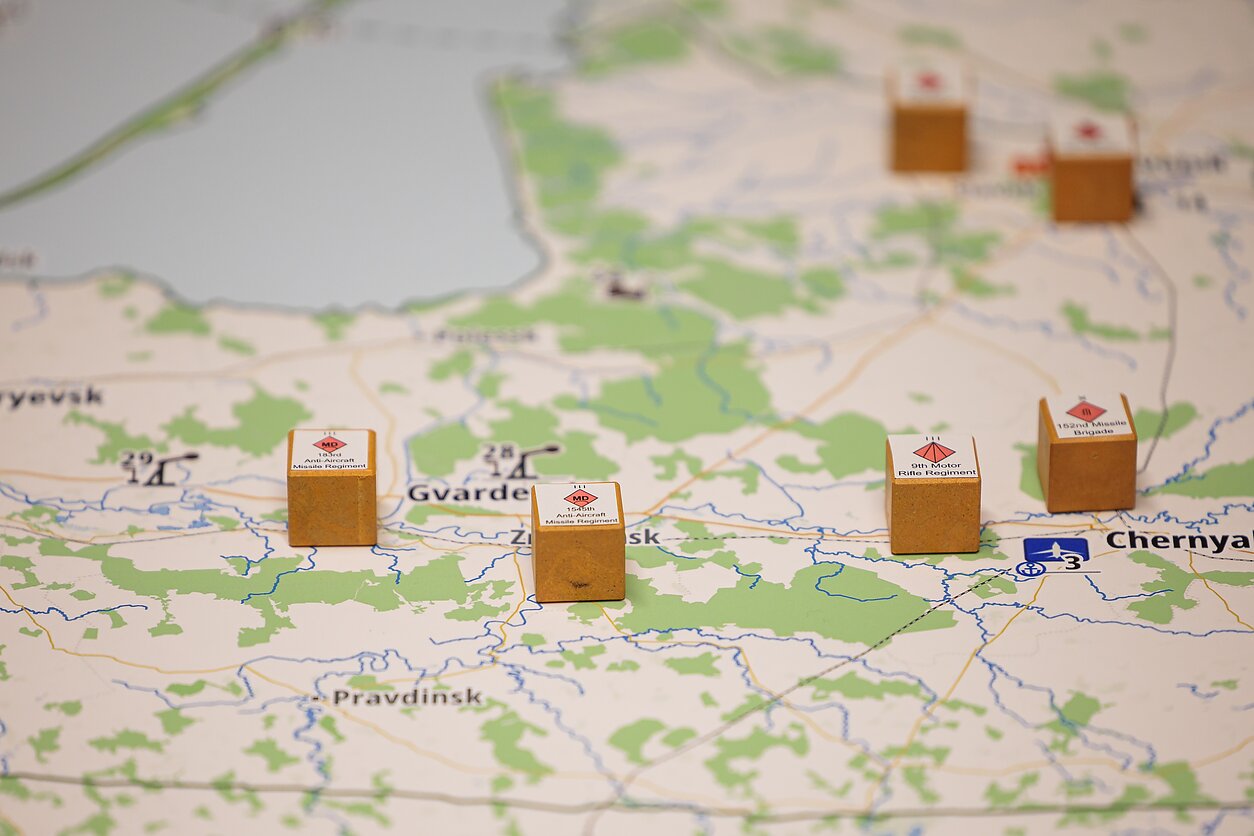
After an air-raid alert was declared in Kaliningrad, Russia's Baltic exclave, on 21 November, Russian state media and English-language accounts on the social network X took three hours to produce a claim that Ukraine or NATO was attacking Russia from Lithuanian territory. The media monitoring firm Repsense said so on Monday, after studying 2,875 publications in 31 languages and tracing the story hour by hour. The findings show how a local incident in the Baltic region can quickly become a disinformation narrative aimed at Lithuania.
How events unfolded
At 19:31, Kaliningrad Governor Alexei Besprozvannykh wrote two sentences on Telegram: the warning system had reacted to a suspicious object from the Lithuanian side, and specialists had run all necessary checks and found no threat. Russian news agencies and Telegram channels relayed only the first sentence. Of 48 Russian-language headlines that mentioned Lithuania in the first three hours, just two kept the words about there being no threat. Russia's foreign and defence ministries did not comment.
Earlier, on 18 November, the Polish daily Rzeczpospolita reported that Polish services had foiled a Russian plan to stage an attack near the Kaliningrad border and blame Ukraine. The next day, Moscow-based commentator Andrew Korybko published a piece claiming Ukraine was preparing a provocation in Kaliningrad; within a day it appeared in Italian, Slovak, Spanish and Lithuanian. On the morning of 21 November, drones struck the vessel Sparta II in the Gulf of Finland as it sailed towards Kaliningrad.
The role of X
English-language accounts sharpened the story. The account Global Surveillance wrote that Ukrainian drones were using Lithuanian airspace, while Norwegian professor Glenn Diesen, a regular contributor to Russian state broadcaster RT, wrote that Russia may be under attack from NATO. Of 450 posts about a NATO attack, 355 came from just three accounts.
At 00:40 on 22 November, Lithuania's Foreign Ministry rejected claims of a drone attack and of its airspace being used. Russian media then wrote about a launch and an attack for the first time. Repsense CEO Mykolas Katkus said that in denying the claims, Lithuania had to repeat them.
In Lithuania, 2,299 posts and comments about the incident appeared. Roughly a third of commenters blamed the government, NATO or Ukraine, and 12% of the texts were copy-pasted.