Kallas: EU Working to Keep Ukraine Connected to World Markets
EU High Representative Kaja Kallas told the European Parliament that Russian strikes on Black Sea shipping endanger global food security. She called for stronger security in the Black Sea and Danube areas.
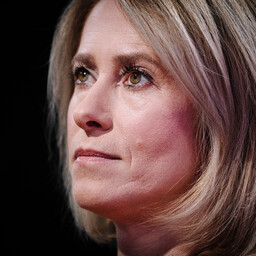
Russian attacks on shipping in the Black Sea threaten not only lives in the region but also food security worldwide. This was stated on Tuesday, 20 October, by Kaja Kallas, the European Union's High Representative for Foreign Affairs and Security Policy, at a plenary session of the European Parliament.
She stressed that Ukraine is one of the key food suppliers to the world market, and that Russia's actions turn food into a weapon and obstruct supplies to people around the globe. According to Kallas, the EU must take action in this situation.
Talks on freedom of navigation
Kallas said the EU, together with Turkey, India and other countries, including food-importing states in Africa, is trying to reach an agreement guaranteeing freedom of navigation in the Black Sea. Such a deal would protect human lives and the delivery of vital goods. She also noted the need to develop the EU's defence capabilities and keep increasing international pressure on Russia.
Alternative routes
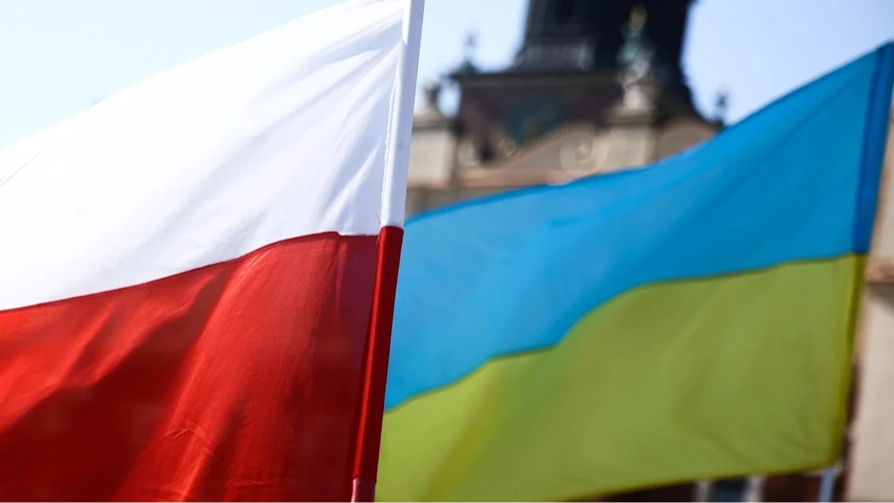
Kallas said the EU's Solidarity Lanes initiative helps find alternative export routes. Since July, grain exports along these routes have grown by almost 2 million tonnes. However, Russia is now also striking border checkpoints on the borders with Moldova, Romania and Poland, which endangers these alternative routes as well. For that reason, she said, security must be strengthened in the Black Sea area and on the Danube.
Early warning and collective decisions
Kallas named early threat detection and real-time information sharing as the second key point. Through European defence structures, member states can exchange maritime surveillance data, giving a better picture of the situation at sea. A Black Sea maritime security centre, which Romania and Bulgaria are setting up with EU support, will improve this oversight further.
She added that a mechanism is needed for faster collective decision-making in the event of serious incidents. To that end, an emergency protocol is proposed, providing for immediate political consultations and better coordination during major hybrid crises. This also implies close cooperation with NATO.