Why 3D TVs failed: A tale of inconvenience and poor content
Despite initial hype, 3D TVs quickly disappeared due to user-unfriendliness, high costs, and lack of quality content.
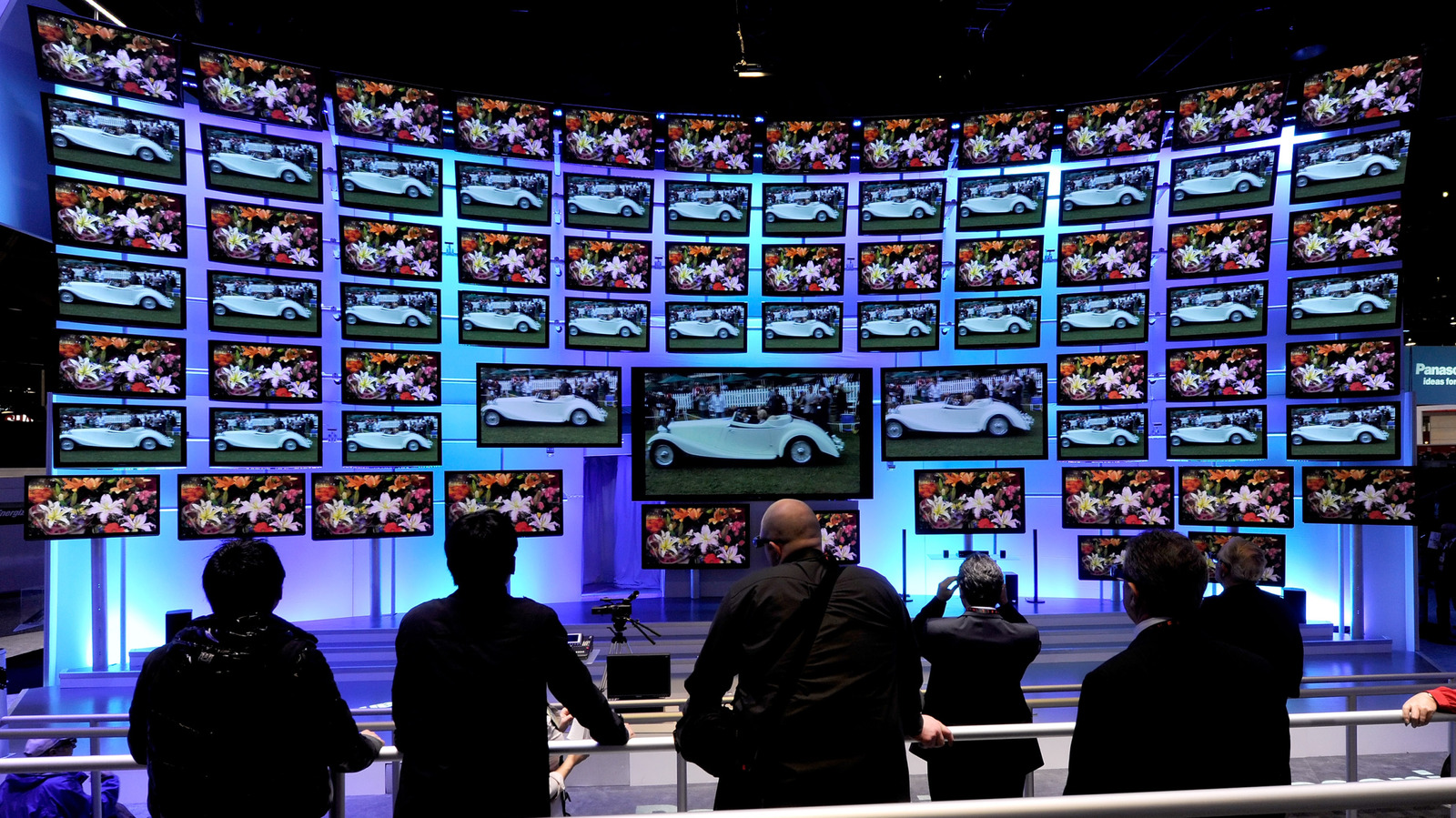
In the early 2010s, 3D TVs were everywhere, riding on Hollywood's obsession with 3D blockbusters like 'Avatar' and 'How to Train Your Dragon'. Manufacturers built the technology into most of their sets, but by 2015, as the industry shifted to 4K and HDR, 3D at home had vanished.
The main culprit was inconvenience: viewers had to buy special glasses costing $10 to $50, ensure their Blu-ray player supported 3D, and pay a premium for 3D discs. Passive glasses halved the resolution of 1080p, while active ones needed charging. Content was scarce: BBC and ESPN stopped 3D broadcasts in 2013.
According to a study, only 25% of households with 3D TVs actually used the feature, and after three years, fewer than 10% continued. 65% stopped due to lack of content, 50% due to discomfort during long sessions, and 42% because of high equipment costs.
Hollywood also let audiences down: many movies were converted from 2D to 3D with poor results, leading to distrust. Only a few native 3D films like 'Avatar', 'Gravity', and 'Hugo' were well-received. By 2012, 3D ticket sales dropped significantly.
Today, watching 3D at home is possible only with expensive projectors (BenQ, XGIMI) or VR headsets (Vision Pro, Meta Quest). While some predict a resurgence of glasses-free 3D by 2036, the technology remains niche.


