Why GameCube games are so expensive and rarely found in retro stores
Nintendo GameCube games have become pricey collectibles due to low supply and high demand, driven by the console's modest sales compared to its peers and limited re-releases.
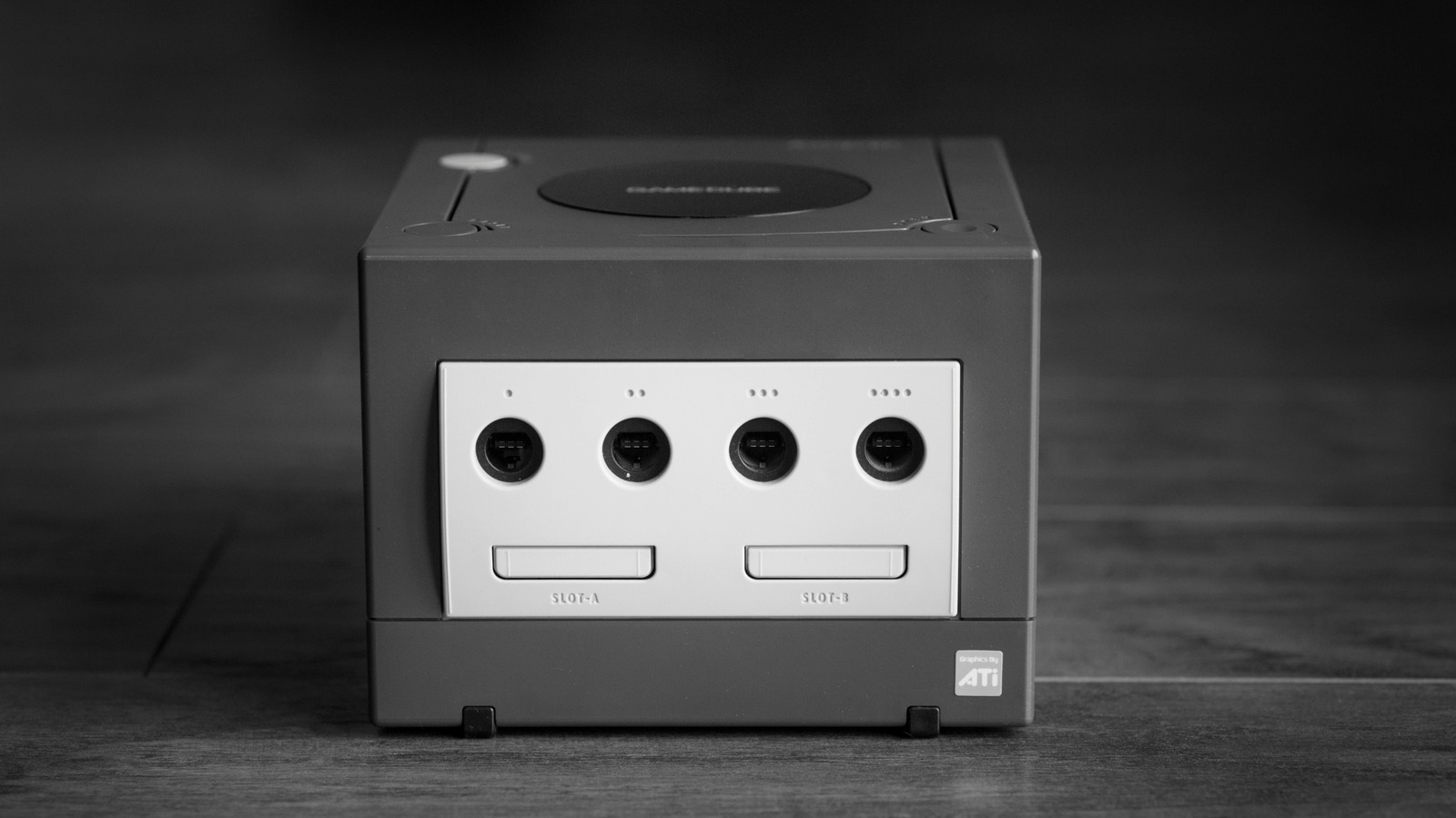
Walking into a retro game store, you might see shelves full of Nintendo history, but GameCube games are often missing. When they do appear, their prices can give you pause. This boils down to simple supply and demand.
The GameCube boasts one of Nintendo's deepest first-party libraries, with classics like "Metroid Prime," "The Legend of Zelda: The Wind Waker," and "Super Smash Bros. Melee." Yet the console sold only 21.74 million units, a 34% drop from the Nintendo 64 (32.93 million) and far less than the Wii (101.63 million). Lower sales were partly because the GameCube couldn't play DVDs, a key feature at the time, and because Sony and Microsoft targeted older audiences, pushing Nintendo into a family-friendly niche and weakening third-party support.
GameCube discs are also more prone to damage than cartridges. Early Wii models were backward-compatible with GameCube discs, extending the library's life on the secondhand market without adding new copies. For years, the only legal way to play these games was with original discs. In 2025, Nintendo began adding some GameCube titles to Switch Online for the Switch 2, but this hasn't significantly lowered resale prices.
Not all GameCube games are expensive. A used copy of "Metroid Prime" can be found for under $30, "Paper Mario: The Thousand-Year Door" typically costs $30–$50, and "Super Mario Sunshine" averages around $40. However, flagship titles like "Super Smash Bros. Melee," "Luigi's Mansion," and "Eternal Darkness" cost $50–$70 each, while "Mario Kart: Double Dash!!" goes for $60–$70. Some games balloon into three figures: "Pokémon Colosseum" or "Pokémon XD: Gale of Darkness" often sell for $150 or more, and "Chibi-Robo!" can fetch $160–$200.
So next time you visit a local retro game store, know that staff likely aren't hoarding GameCube games in the back or inflating prices beyond market value. It's Econ 101: limited supply and enduring demand have made GameCube collecting a pricier hobby.