Why the MacBook Air doesn't need a fan
Since switching to its own M-series chips, Apple has removed fans from the MacBook Air, enabling silent operation while maintaining performance through passive heat dissipation.
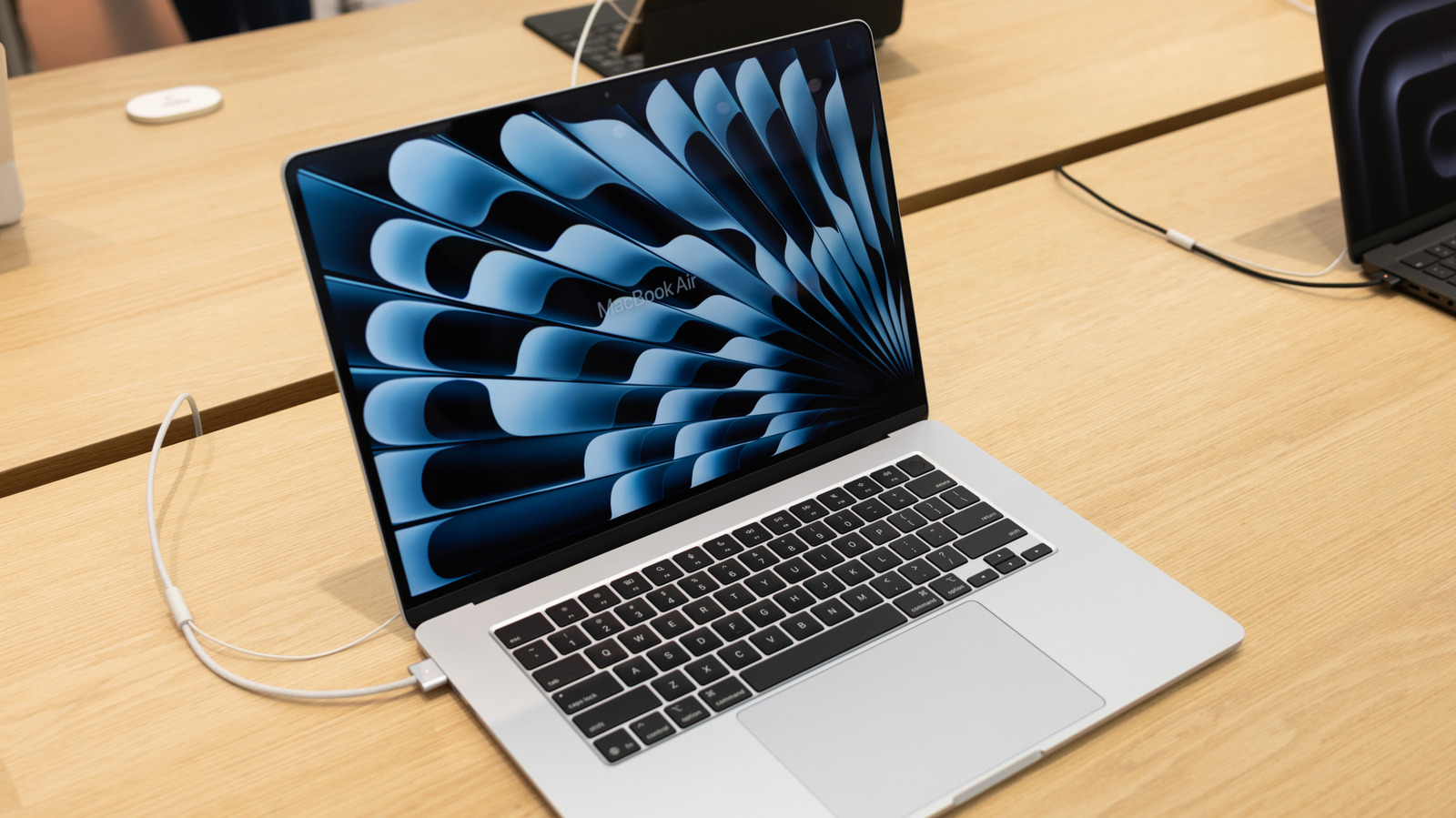
Since the launch of the MacBook Air with the M1 chip in November 2020, all subsequent models have been fanless. The last model with a cooling fan was the early 2020 Intel-based version. The main reason Apple could drop active cooling is the higher power efficiency and performance of its own M-series processors compared to the previous Intel chips.
Instead of a fan, the MacBook Air uses a passive heat spreader that dissipates heat through the aluminum case, allowing silent operation even under heavy loads. The absence of a fan also makes the device lighter—for instance, the 2020 Intel model weighed 2.8 pounds, while the M2 model weighs 2.7 pounds. Battery life has also slightly improved due to the elimination of fan power consumption.
However, there are drawbacks. Under sustained heavy tasks like video exporting or gaming, the system may throttle processor speeds to control temperatures—a process called thermal throttling. This reduces performance, leading to longer render times or dropped frames. The MacBook Air's underside can also become noticeably warmer than older models.
For users who require maximum performance and regularly handle large files, such as 4K video editors, a MacBook Pro may be a better choice. Pro models feature active cooling, reducing the risk of thermal throttling. The Pro also offers a superior display—a Mini-LED 120Hz panel versus the Air's LCD 60Hz—and more ports: three Thunderbolt connections (the Air has two), an HDMI port, and an SDXC card slot. However, the MacBook Pro starts at $1,999 for the 14-inch model, while the MacBook Air M5 starts at $1,299 for the 13-inch version. For average everyday users, the additional cost for the Pro is likely not justified.