Traditional Chinese medicine suggests diet, exercises and acupressure to reduce belly fat
Doctor Pēteris Apinis, writing in the Latvian daily Latvijas Avīze, retells traditional Chinese medicine advice on reducing visceral fat: eat fruit after lunch, try the Four Gods soup, do heel-raise and knee-lift exercises and massage acupuncture points.
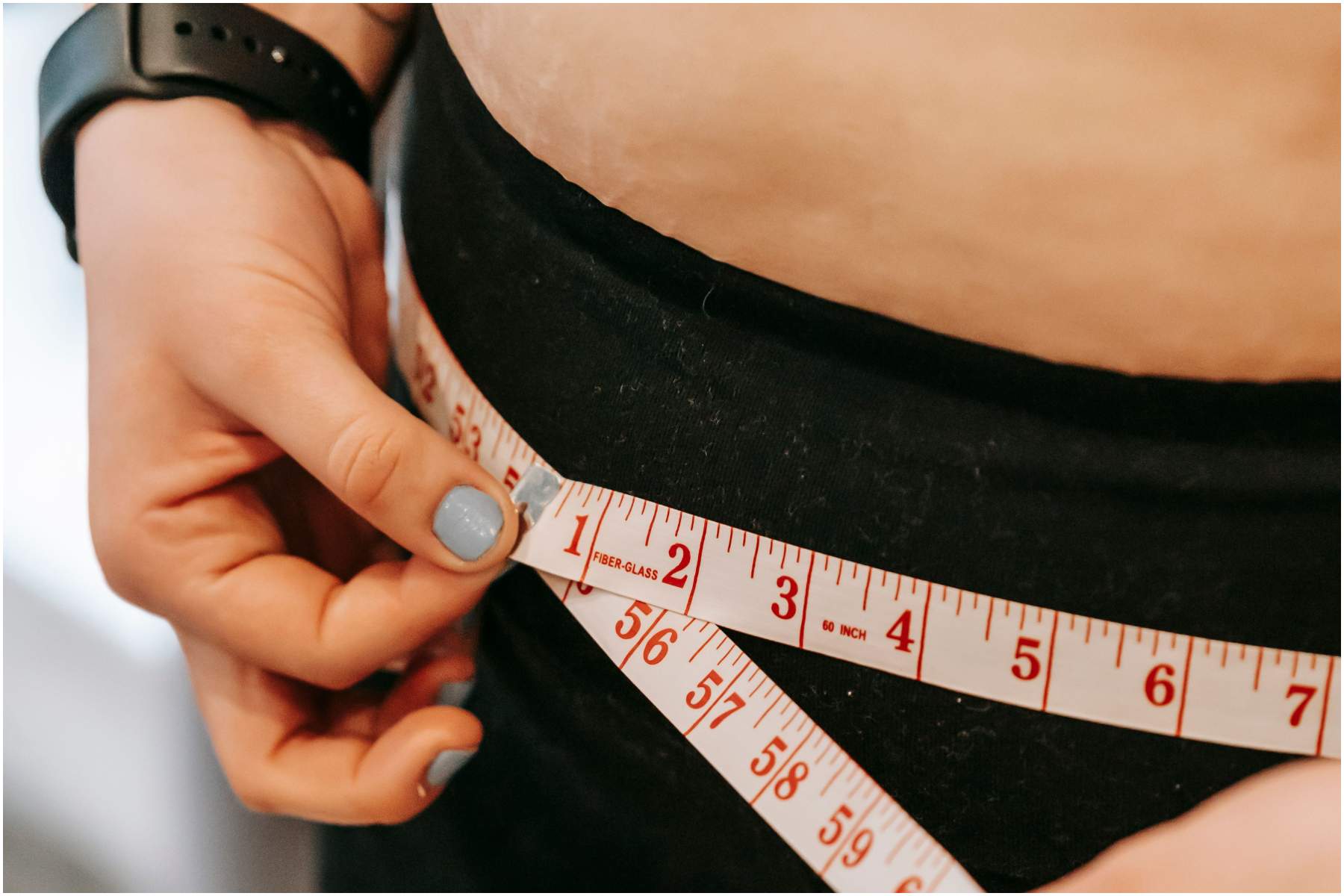
In an article published on 7 November in the Latvian newspaper Latvijas Avīze, physician Pēteris Apinis retells what traditional Chinese medicine recommends for people whose waistline grows with age. He says he does not speak Chinese and used the Tilde and DeepL translation tools. He notes that with age the arms and legs often get thinner while the waist widens, and doctors worry about visceral fat, which surrounds the liver, pancreas and intestines.
The Chinese medicine view
Chinese doctors describe belly size through the length of a trouser belt and advise shortening it first by one hole, later by another. Thin limbs combined with a soft, protruding belly are called phlegm dampness, a pathological substance said to form when fluids and nutrients are not properly moved through the digestive tract. In this tradition the spleen is not only an organ but a functional system governing digestion and fluid retention, and it is said to weaken with age.
Diet
Chinese practitioners advise eating fruit after lunch rather than in the evening, and not turning it into juice. The author adds that European publications show late eating increases hunger, lowers energy expenditure and promotes fat storage. For tired people with a soft belly, they recommend the Four Gods soup, cooked with lean meat from Gordon euryale seeds, Chinese yam, lotus seeds and poria mushroom. According to the author, Chinese researchers have studied its effect on blood sugar and gut flora, mostly in experiments on mice.
Exercises and acupressure
Heel raises, seated and standing, are meant to work the soleus muscle in the lower leg, which Chinese practitioners say influences blood sugar. Further exercises include lifting the knee to waist height, 100 times per leg, and lifting the knee sideways while bringing the elbow towards it. Several acupuncture points can be massaged daily for 30–60 seconds each, though not right after a large meal. The author warns that acupressure is unsuitable for pregnant women, people after abdominal surgery and cancer patients.