Why a bitter cucumber could be dangerous to eat
Experts warn that an unusually bitter-tasting cucumber may signal high levels of cucurbitacin, a natural compound that can make the vegetable unsafe to eat. Poisoning is rare but can cause unpleasant symptoms.
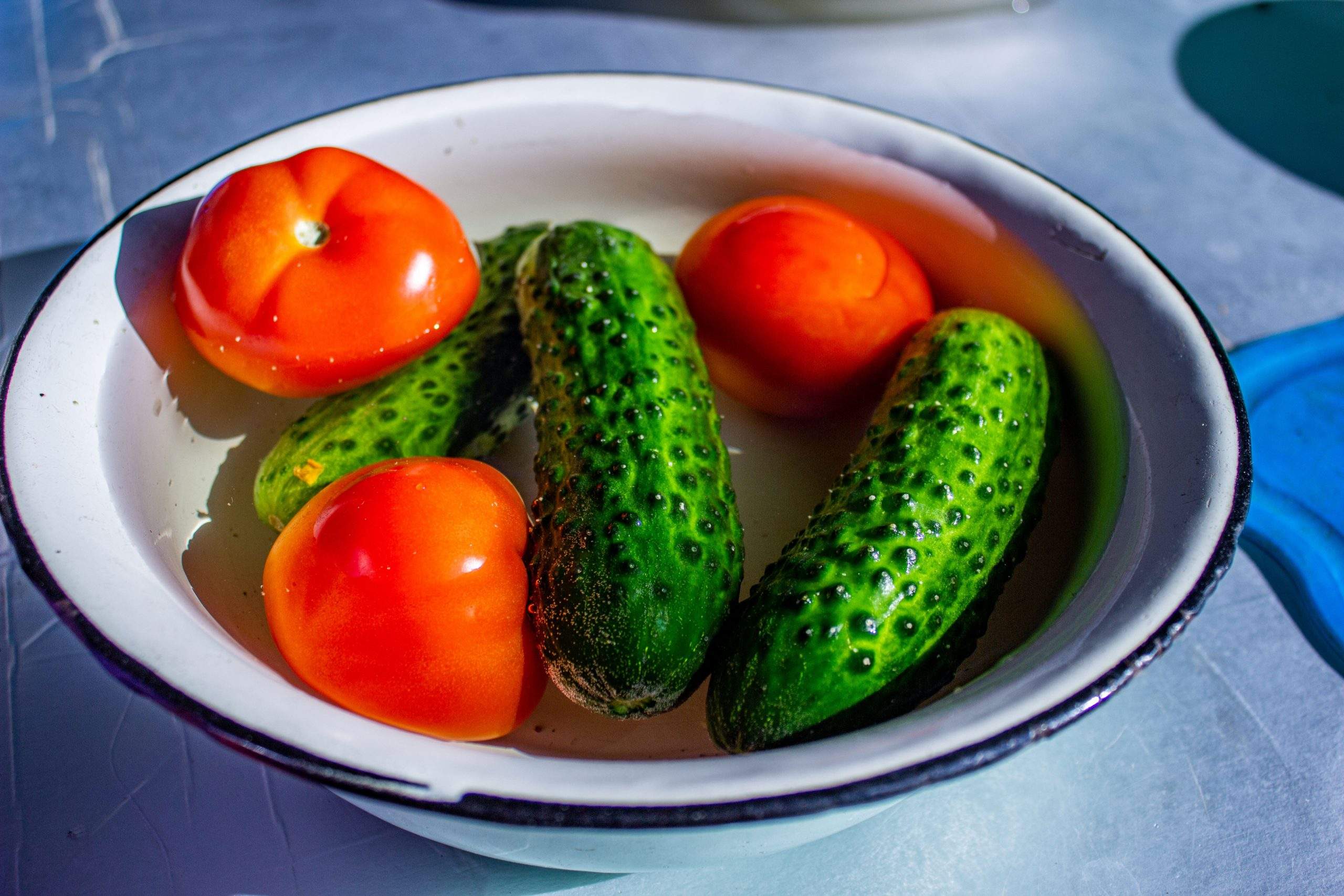
Cucumbers are among the most popular summer vegetables, but before adding them to salads or pickling them, it is worth paying attention to their taste. A distinctly bitter cucumber may not be safe to consume.
What cucurbitacins are
Cucurbitacins are natural substances produced by plants in the gourd family, including cucumbers, zucchini and pumpkins. They act as a natural defense mechanism against pests and environmental stress. Normally cucumbers contain only trace amounts of these compounds, but in some cases the levels can rise significantly, giving the vegetable a strongly bitter taste.
Bitterness as a warning sign
Experts recommend tasting a small piece of cucumber before using it — it should taste mild and fresh. If it is noticeably bitter, eating should stop immediately and the vegetable should be discarded. The same advice applies to zucchini, pumpkins and other gourd-family vegetables.
It is important to know that cucurbitacins cannot be removed by washing, cooking or pickling the cucumber. That is why the safest choice is simply not to eat a vegetable with unusually bitter taste. Bitterness also does not necessarily mean the cucumber is merely old or spoiled — elevated cucurbitacin levels can also be linked to the conditions in which the plant grew.
Possible symptoms
Poisoning from high cucurbitacin levels is rare, but it can cause nausea, vomiting, diarrhea, stomach pain and cramps. In more severe cases, more serious health problems are also possible.

/nginx/o/2026/09/04/17895617t1h9e6f.jpg)