Why Phone Batteries Drain Even When the Device Is Powered Off
Even when turned off, phone batteries slowly lose charge due to self-discharge and a clock-and-wake circuit. For long-term storage, keep the battery at 50% and recharge every six months.
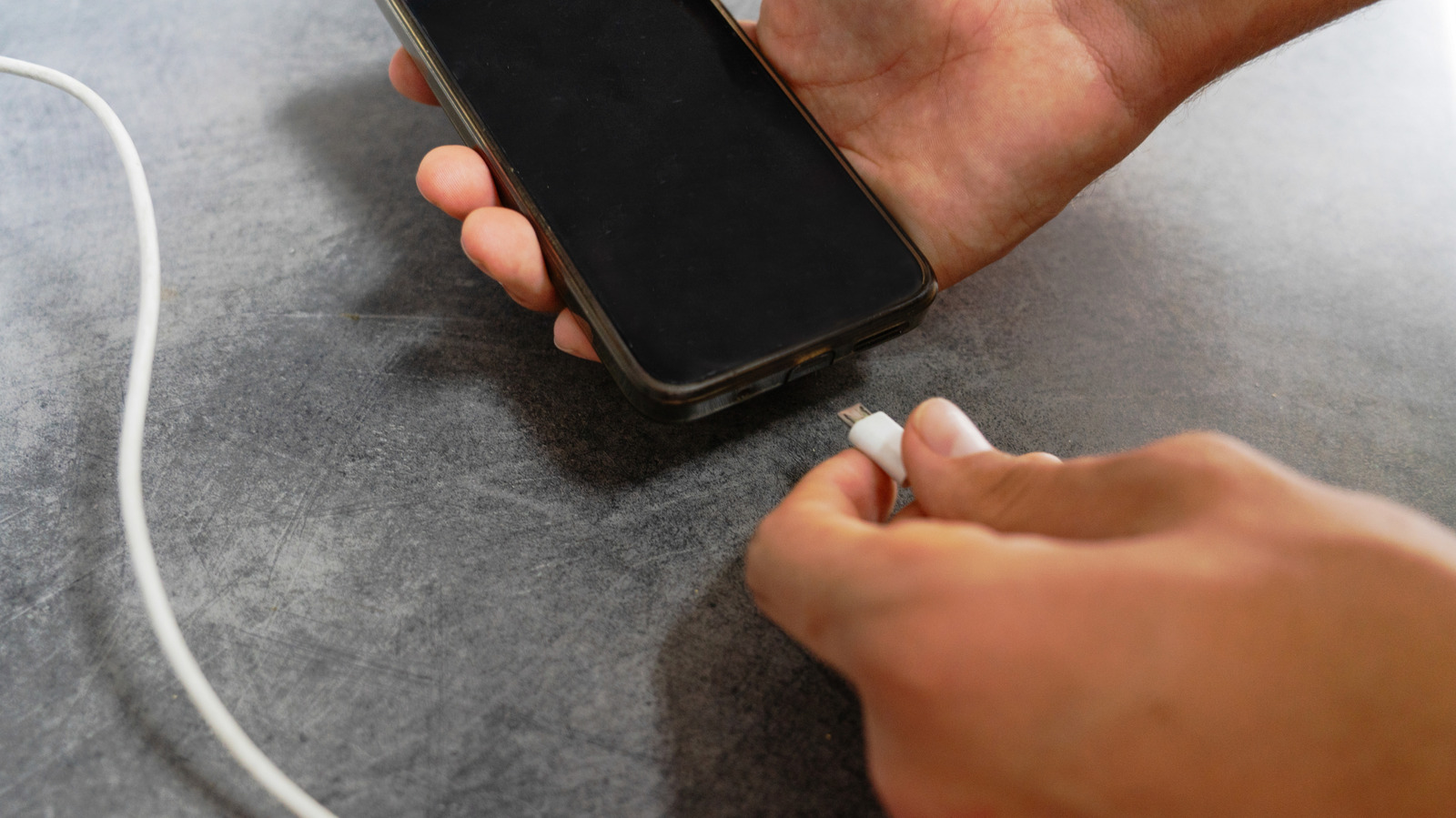
Many people believe that turning off a phone completely stops battery drain. In reality, the battery continues to lose energy, albeit much more slowly. The main reasons are self-discharge and the clock-and-wake circuit.
Self-discharge and clock circuit
Self-discharge is a chemical process in lithium-ion batteries that causes them to lose about 1-2% of charge per month even when the device is off. Additionally, phones have a small circuit that powers the internal clock and responds to the power button, consuming a tiny amount of current.
How to preserve battery during storage
If you plan to store a phone for an extended period, it is not advisable to fully charge it. Apple recommends charging to about 50% and then recharging to that level every six months. This prevents a deep-discharge state, which can damage the battery by dissolving the copper current collector and reducing capacity.
Storage conditions
It is also important to store the phone in a cool, dry place with temperatures below 32°C. Higher temperatures accelerate self-discharge. If a phone is left in a drawer for weeks, turning it on again may show a lower battery percentage than before shutdown.
Conclusion
Although turning off a phone conserves power, it does not pause battery drain completely. For short periods – like a 12-hour flight – the loss is negligible, but over months it becomes noticeable. For long-term storage, the best practice is to charge the battery to 50% and periodically top it up.