Why Wi-Fi Speeds Drop in the Evening and What to Do About It
Evening slowdowns on home Wi-Fi are most often caused by congestion as many users go online at once. Tech site Engadget outlines several fixes, including restarting equipment, separating network bands and changing usage habits.
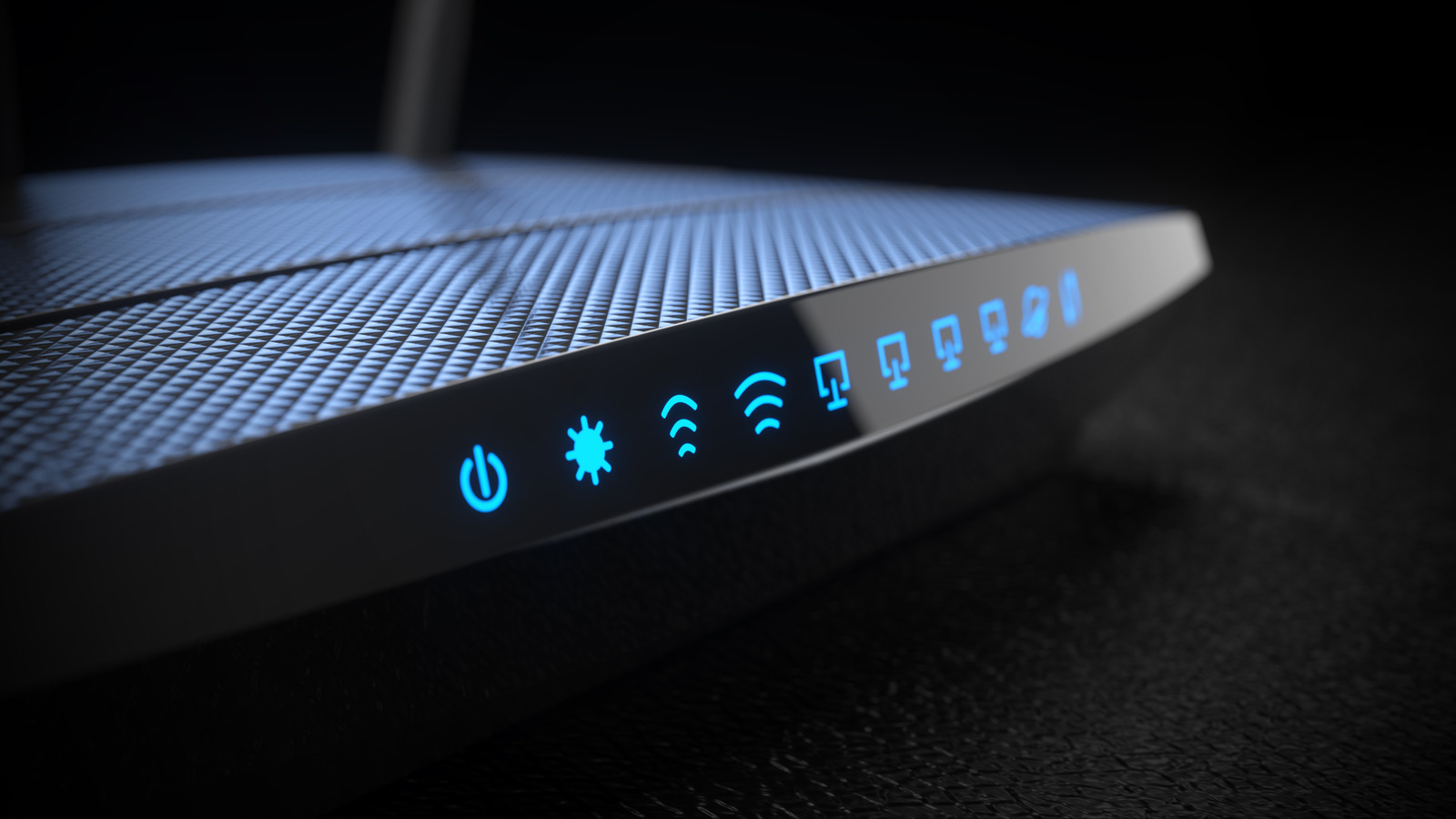
Slower internet in the evening is a common household problem, and the usual cause is network congestion, according to the technology site Engadget. When people get home from work or school and go online at about the same time, the load rises both on the shared internet connection and on the wireless frequency bands.
Why speeds fall
With cable internet, homes in the same neighborhood share bandwidth, so congestion grows in the evening. Fiber internet is less affected because it offers far greater bandwidth. In a large apartment building, dozens or hundreds of devices may compete for the same frequencies that Wi-Fi routers use.
What you can try
One fix is power-cycling the modem and router: unplug them for at least 30 seconds, then plug them back in, letting the modem reconnect first. This lets the devices clear their caches and establish fresh, possibly better connections. Faster speeds are not guaranteed, but performance is unlikely to get worse.
You can also create a separate network name (SSID) for each band in the router settings and move the most data-hungry devices to 5GHz or 6GHz, if they support it. The 2.4GHz band is popular and long-range, but it congests easily and is vulnerable to interference from appliances and Bluetooth devices. It is best kept for smart home accessories, which need range more than speed.
Changing habits
The author stresses that people sometimes have to adapt their own habits. Software updates and large file downloads are better done overnight, and cloud sync jobs should not run while the whole family is online. Streaming a popular show the moment a new episode is released can be futile, and online games are best played later in the evening.
Finally, devices that do not need to move can be connected by wired Ethernet. It does not fix general internet congestion, but it is effectively immune to range and band congestion, giving more stable connections for gaming and faster downloads on computers. The main obstacle is running cables to the router.