Why do older people often walk with hands behind their back? The reason is surprisingly simple
Experts explain why elderly people often walk with their hands clasped behind their back and whether this habit actually improves posture. It turns out that varying movement regularly matters far more than the pose itself.
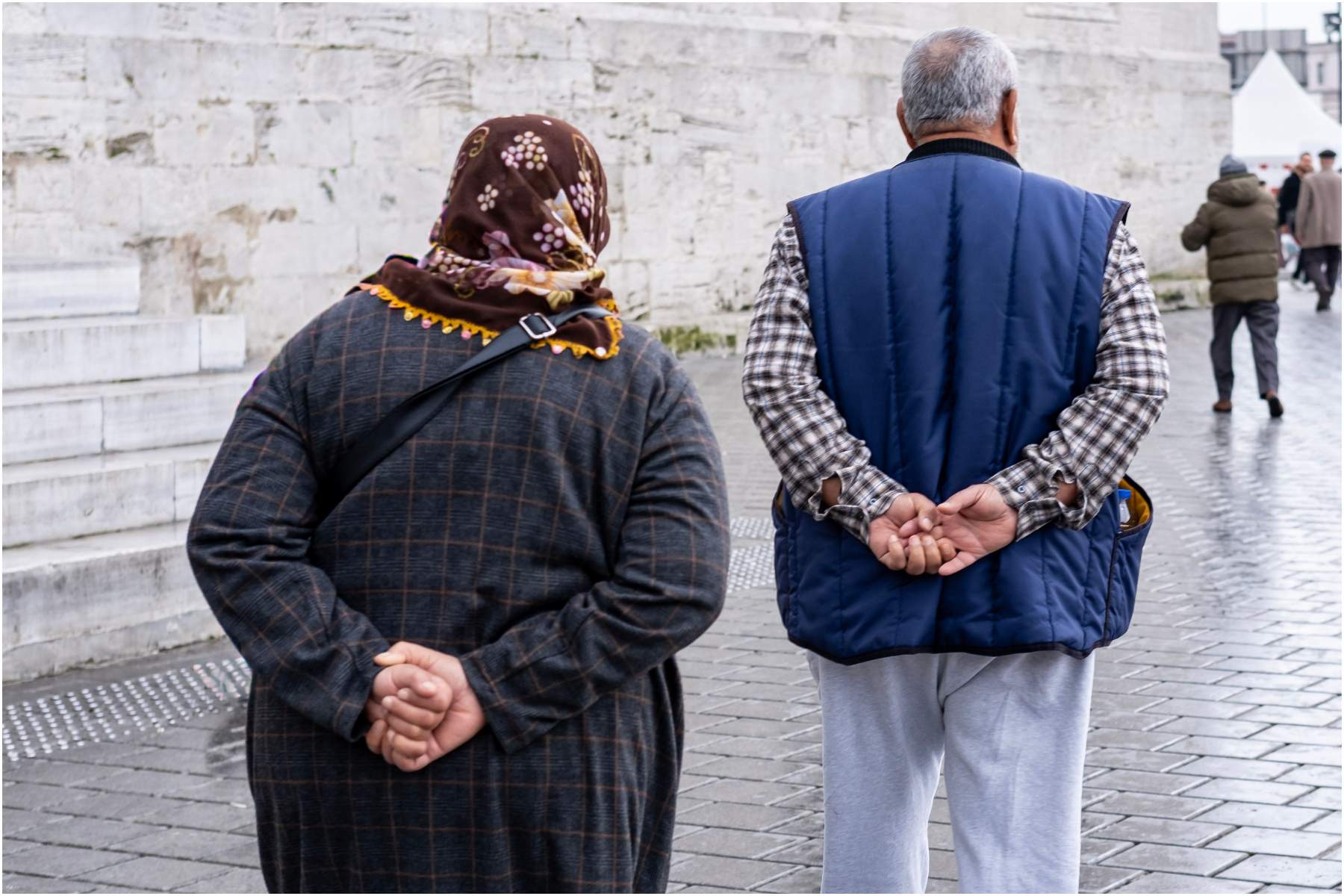
Many people have noticed that older individuals often clasp their hands behind their back while walking. The habit is so common that it rarely raises questions, yet it has a fairly practical explanation.
Medical and sports experts cited by the German portal Chip.de note that holding the hands behind the back naturally opens the chest slightly, pulls the shoulders back, and straightens the body. This can feel especially pleasant for people who spend long hours sitting at a computer, since prolonged sitting tends to round the shoulders forward and curve the back. However, experts caution that this position should be seen as a brief mobilization exercise rather than a genuinely better or healthier way of walking.
Arm movement matters too
Under normal circumstances, arm movement while walking happens almost automatically, and it serves a purpose. Research suggests that deliberately restricting arm movement during walking can increase the body's energy expenditure — meaning that walking with freely swinging arms is actually more energy-efficient. Arms also help maintain balance: if a person stumbles, arm movement can help them recover stability more quickly.
Why the pose is more common among seniors
Walking patterns and posture naturally change with age — steps tend to get shorter and the pace slower. Seniors are also more likely to develop a more pronounced curvature of the spine, which can shift the body's center of gravity slightly forward, making hands-behind-the-back a comfortable position in such cases. Still, it would be too speculative to claim that the body automatically "chooses" this pose as an ideal way to maintain balance.
Experts emphasize that regularly varying one's posture matters far more than any single way of walking. Standing up, moving around, and strengthening the muscles supporting the upper spine bring much greater benefits to posture than simply holding one's hands behind the back during a walk.