Why is cancer increasingly affecting young people in Europe?
Recent observations show that breast and colon cancer are being diagnosed in increasingly younger people in Western countries, and researchers are searching for explanations in lifestyle and environmental changes.
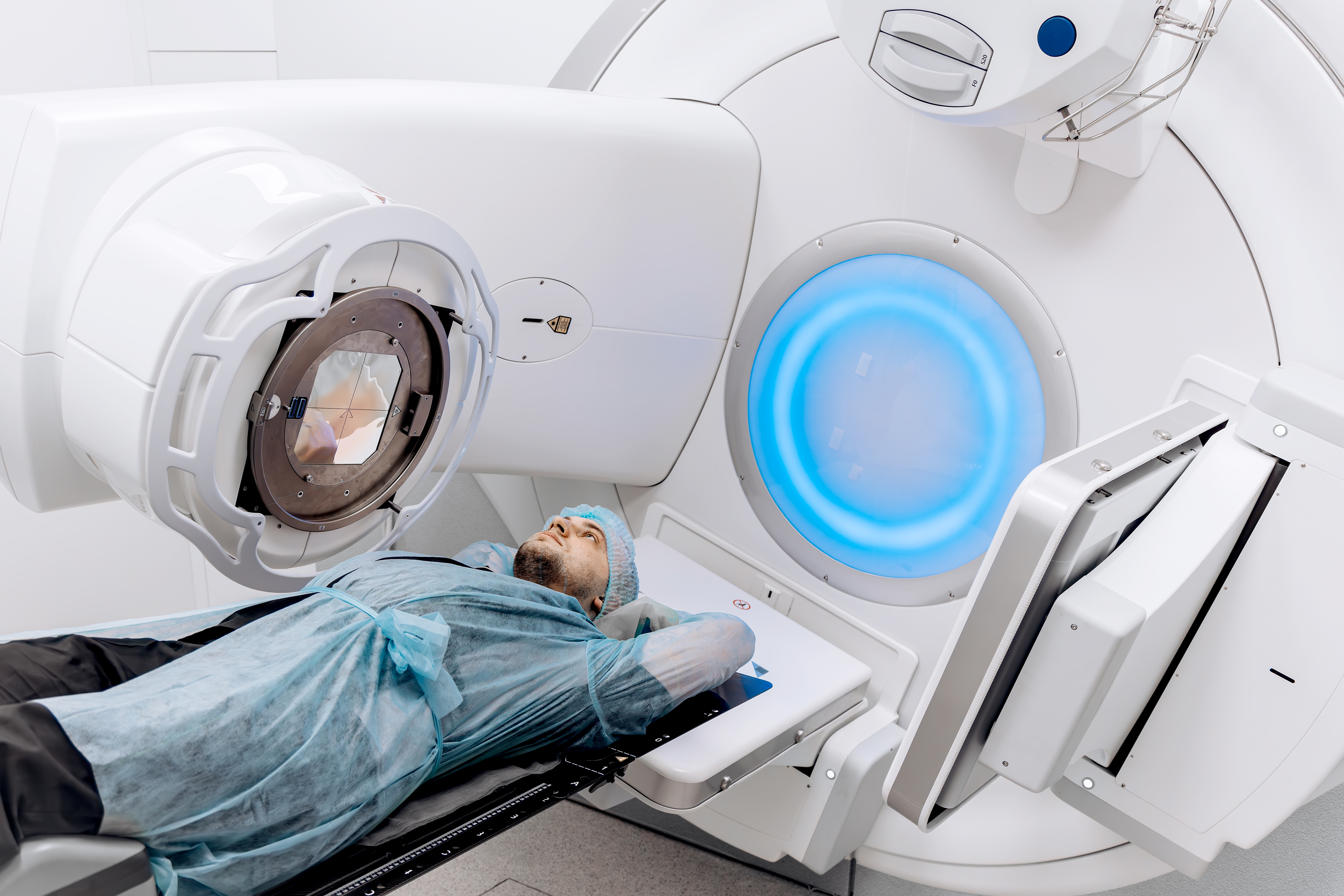
In recent years, doctors and researchers have been drawing attention to a worrying trend: certain types of cancer, particularly breast and colon cancer, are being diagnosed in increasingly younger patients. This phenomenon is most visible in Western countries, and it is reflected not only in medical statistics but also in the personal accounts of many people in their twenties and thirties who share on social media how a diagnosis completely upended their everyday lives and future plans.
A partial explanation
Researchers currently link this increase to modern lifestyles and changes in the environment, but they themselves acknowledge that these factors account for only part of the observed trend. The precise reasons why cancer is affecting a younger age group so rapidly remain unclear, raising new questions about risk factors that have not yet been sufficiently studied.
A Europe-wide response
The question of how great the actual risk is for the younger generation, and what measures European Union countries are taking to reduce this trend, has become a topic of discussion across Europe. The issue is examined in a weekly program produced by the European public broadcaster ARTE, which is published in ten languages thanks to cooperation between several European media outlets — including Spain's El País, Poland's Gazeta Wyborcza, Italy's Internazionale, Greece's Kathimerini, Belgium's Le Soir, Hungary's Telex, Romania's Sinopsis, the Balkan outlet Balkan Insight, and Latvia's Ir magazine. The project receives financial support from the European Union through the European Media Platforms program, underscoring that the health of young adults and the risks involved is a question of interest across the whole continent.