War-related fallout with Iran triggers oil tanker shortage, freight rates hit records
The US war with Iran and the shutdown of Saudi Arabia's bypass oil pipeline have caused a global shortage of crude oil tankers, pushing freight rates to record highs. The situation risks keeping fuel prices elevated even if global crude prices fall.
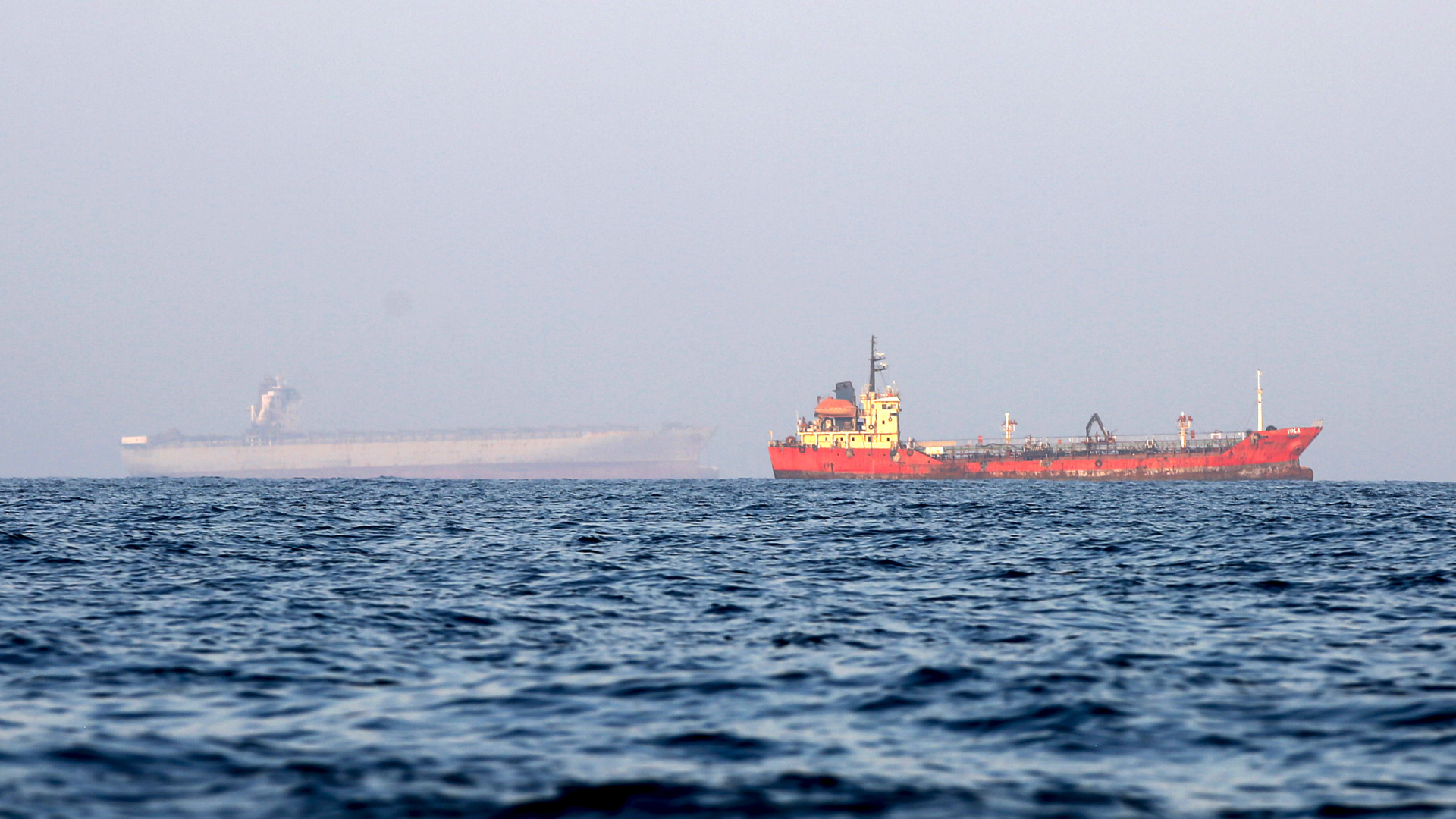
In September, drone attacks halted operations at Saudi Arabia's "East-West" bypass pipeline, forcing oil suppliers to reroute larger volumes of crude back through the Strait of Hormuz. This has significantly increased the burden on the tanker fleet, with ships forced to take longer routes or operate in shuttle mode, removing them from the market for extended periods.
The sudden shortage of very large crude carriers (VLCCs) has pushed transport costs to historic highs. According to analytics firm Windward, in early September the cost of chartering a supertanker for loading in the Persian Gulf and transiting the Strait of Hormuz exceeded $1 million per day — equivalent to about $26 per barrel, or roughly a quarter of the current market price of crude, whereas logistics previously accounted for only a small share of costs.
The shortage is not limited to the Middle East — freight rates worldwide, including on the West Africa-to-China route, are also rising sharply. According to Clarksons Research, average daily earnings from operating a single VLCC worldwide reached $651,107 on Thursday — almost double the level recorded before the closure of the Saudi East-West pipeline.
Additional route changes
Due to persistent attacks by Iran-backed Houthi militants, Saudi-flagged vessels have also stopped transiting the Bab-el-Mandeb Strait, which connects the Red Sea to the Gulf of Aden and is currently controlled by the Houthis. According to Windward, more than ten ships have rerouted around the Cape of Good Hope in South Africa, adding $1 million in costs per voyage.
Saudi Aramco is trying to restore pipeline operations, but vessel tracking data shows no tankers have been loaded at the Red Sea port of Yanbu since the attacks. The company has already warned European and Asian customers of delays or cancellations in September and October deliveries, and is negotiating with Asian clients on ship-to-ship oil transfers off the coast of Oman. According to Kpler analysts, around a dozen VLCC tankers carrying 24 million barrels of crude have left the main loading terminal at Ras Tanura since the pipeline attack.
Analysts warn that the reduced availability of tankers is slowing oil deliveries just as record freight rates squeeze refiners' margins, which could keep fuel prices elevated even if global crude prices decline — adding potential pressure on US gasoline prices ahead of the November midterm elections.


/nginx/o/2026/09/18/17925296t1h8c99.png)