Baking Potatoes in Aluminium Foil: Botulism and Metal Migration Risks
Culinary and food safety sources say potatoes baked in foil turn out soggy, and if left to cool at room temperature in the wrapping, botulism-causing bacteria may multiply. Experts advise removing the foil immediately after baking.
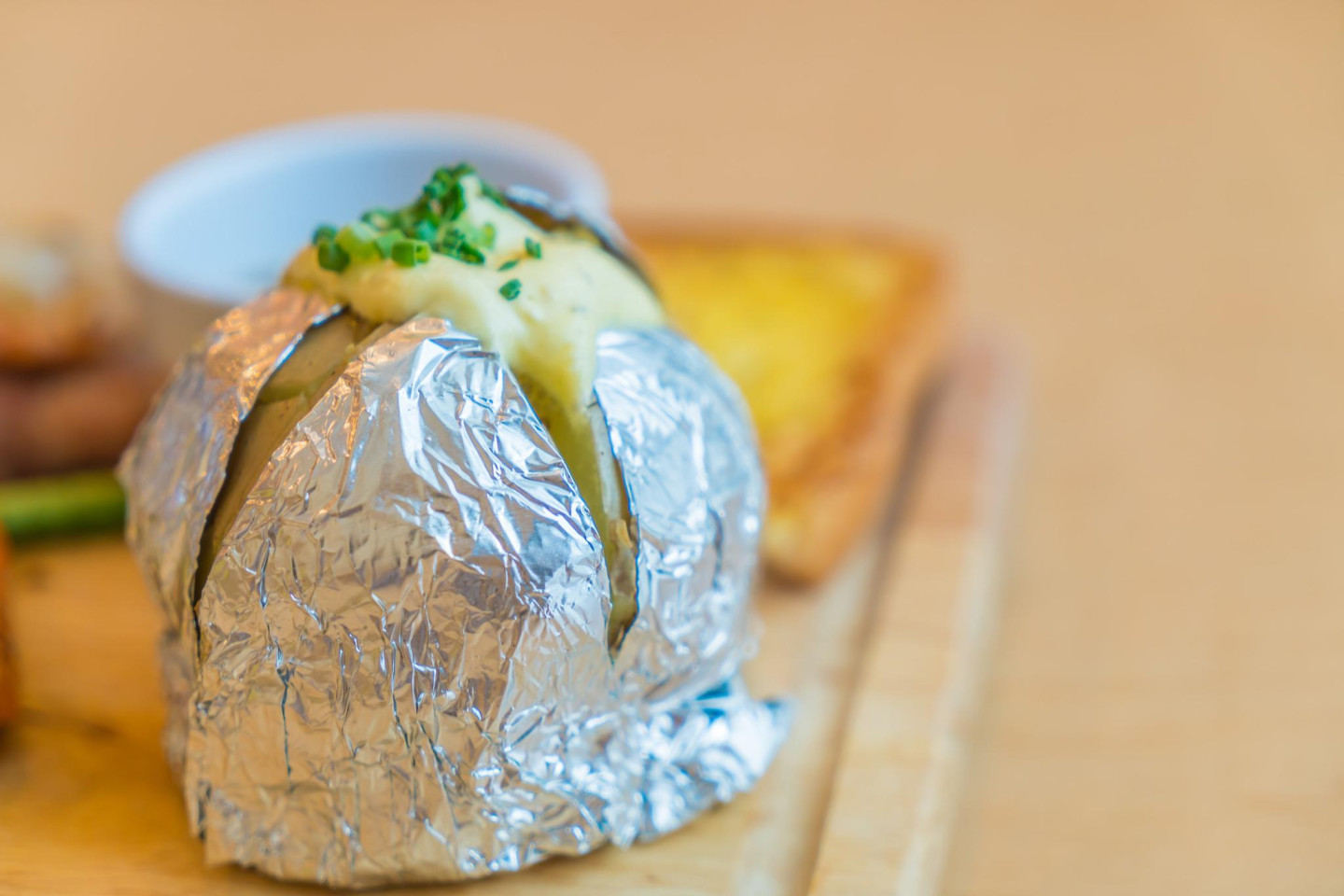
Many home cooks wrap baked potatoes in aluminium foil because restaurants do so, but the method does not improve results and can create food safety problems. The information comes from “Quora”, while “Idahopotato” has also written about the use of foil in cooking.
Effect on taste and texture
A properly baked potato needs dry heat, which dries out the skin and makes it crisp while the inside turns fluffy. Foil traps steam, so the skin becomes soft and damp and the flesh denser and heavier. Restaurants use foil for logistical reasons: hundreds of potatoes are prepared before the dinner rush and kept for hours in warming cabinets, where uncovered ones would dry out and turn tough.
Botulism risk
Potatoes grow in soil where spores of the bacterium Clostridium botulinum occur naturally. The spores withstand ordinary oven temperatures. If a foil-wrapped potato is left to cool on a table, the tight wrapping creates an oxygen-free environment in which the spores can activate and release a neurotoxin that causes botulism. The dangerous temperature zone is 4 to 60 °C. In professional kitchens, foil-wrapped potatoes are therefore kept above 60 °C, or the foil is fully removed before they go into the fridge.
Aluminium migration
Heat, moisture, acidic foods (such as lemon juice or tomatoes) and salt can cause a small amount of aluminium to transfer into food. The World Health Organization and other food safety bodies note that a small amount is absorbed by the body and excreted through the kidneys, but prolonged and excessive intake is not desirable.
Recommendations
Experts stress that using foil is not harmful in itself if temperature and storage rules are followed. Baked potatoes should not be left to cool in foil at room temperature; the foil should be removed right after they leave the oven, and the potatoes stored in the fridge or kept above 60 °C. Foil is also not recommended for long, high-temperature cooking of acidic foods.