Kazakhstan's parliamentary election seen as consolidating presidential power
Kazakhstan holds parliamentary elections on August 23 under a new constitution that replaces the two-chamber legislature with a single-chamber assembly, a move experts say strengthens President Tokayev's grip on power. Meanwhile, the country continues balancing ties between Russia, China and the EU.
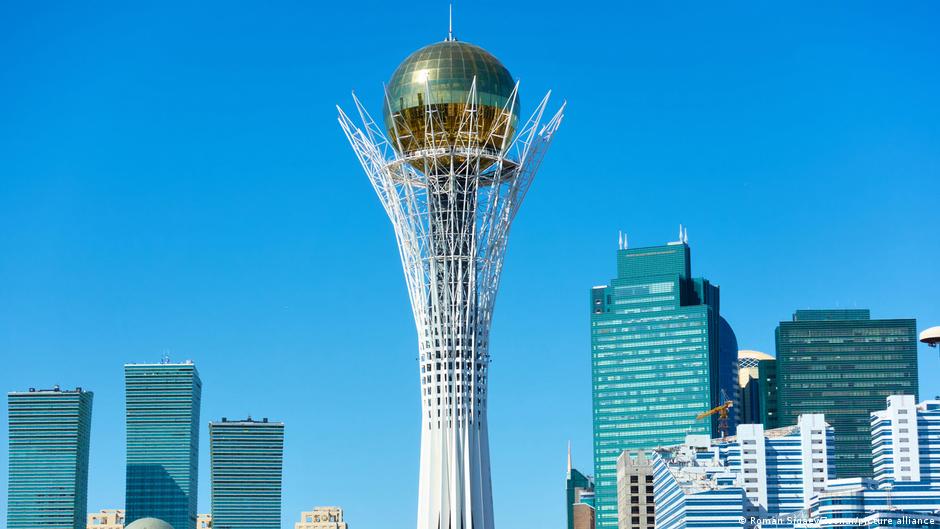
Kazakhstan votes for a new parliament on August 23 under a newly adopted constitution that replaces the two-chamber legislature with a single-chamber body called the Kurultai. Voters will choose 145 lawmakers from party lists, with all seven registered parties, including the ruling Adilet party, taking part. Experts interviewed by DW say only Adilet has any real chance of winning, and genuine opposition figures are unlikely to gain seats.
Centralizing power
Luca Anceschi of the University of Glasgow and Stefan Meister of the German Council on Foreign Relations both describe the vote as a step toward consolidating President Kassym-Jomart Tokayev's authority while further sidelining the political bloc once aligned with former president Nursultan Nazarbayev. Constitutional changes already approved would allow Tokayev to run for another seven-year presidential term in 2029. Former senator Zauresh Battalova, who now heads an NGO focused on parliamentary development, argues that what matters most is not the parliament's structure but its real power to oversee the government. She notes that independent candidates can no longer run under the new system, which she says narrows voters' choices, since the election relies solely on party lists.
Muted European response
Both analysts say the EU is unlikely to react critically to Kazakhstan's shrinking political freedoms. Since the war in Ukraine began, Europe has taken a more pragmatic stance toward Central Asian states, driven by interest in alternative trade routes and the region's resources. In 2025, Kazakhstan became the EU's second-largest crude oil supplier, accounting for 12.8% of imports.
Balancing global powers
Experts note Kazakhstan has so far maintained neutrality amid the Russia-West standoff over Ukraine, neither backing nor formally opposing Western sanctions against Moscow. According to Meister, Kazakhstan wants to avoid excessive dependence on either Russia or China and is seeking to diversify its international partnerships, including with the EU and Arab and East Asian states.