Ķemeri National Park: unique wetland diversity balancing conservation and tourism
Ķemeri National Park will mark its 30th anniversary next year and stands out for having Latvia's greatest concentration of wetland types. A park specialist discusses its values, challenges and future plans.
Ķemeri National Park, located near the center of Latvia and covering about 36,000 hectares, will celebrate its 30th anniversary next year. Agnese Balandiņa, senior nature education specialist at the Nature Conservation Agency, spoke about the park's distinctive features and current challenges.
A kingdom of wetlands
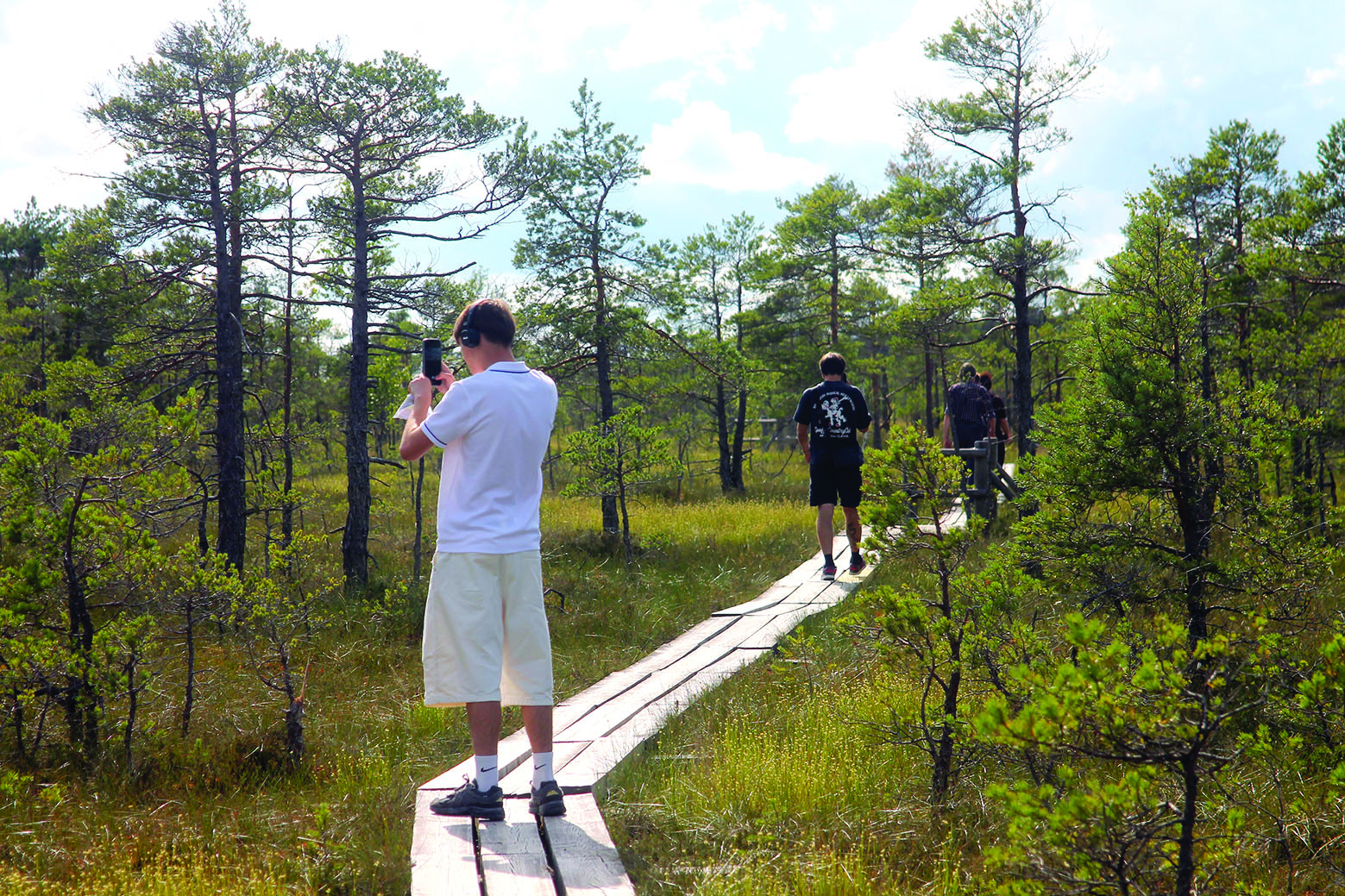
According to Balandiņa, the park is unique in bringing together every type of bog found in Latvia — raised, transitional and low bogs — alongside rivers, lakes and a stretch of sea coast. This concentration of wetlands is not typical of other Latvian parks and supports rich plant and animal diversity. The park also contains old-growth forests untouched by economic activity, which serve as important habitats. As an example, she mentions the rare plant saw sedge found near Lake Kaņieris, as well as populations of the pygmy owl and the white-tailed eagle. Almost a hundred protected plant species grow in the park, and underground sulphurous mineral water, which gave rise to the Ķemeri spa resort in the 19th century, continues to form beneath the bogs.
Cooperation and challenges
The specialist notes that cooperation with residents of Lapmežciems parish and local entrepreneurs has improved in recent years. At the same time, she considers the spread of disinformation on social media and superficial consumption of information the biggest threat, citing public debate around the Nature Conservation Agency's procurement for bear population monitoring as an example.
Tourism and future plans
Since 2012, Ķemeri National Park has held sustainable tourism destination certification — the first in Latvia to do so. The certificate must be renewed every five years, requiring continuous improvement to balance tourism and nature conservation interests. For instance, the popular Dubulti–Kolka hike now takes place in late August so as not to disturb nesting birds. In 2029, a new nature center is planned to open near the Great Ķemeri bog boardwalk, along with renovations of several of the most visited boardwalks. Asked about a possible entrance fee for national parks, Balandiņa said it is not expected in the near future, though the discussion could resurface if the parks' funding model changes.