Keto diet cut liver fat by 67% in four months, trial finds
A US clinical trial found that a ketogenic diet reduced liver fat more than Mediterranean or low-fat diets, even though weight loss was similar in all groups. About half of participants with prediabetes no longer met the diagnostic criteria.
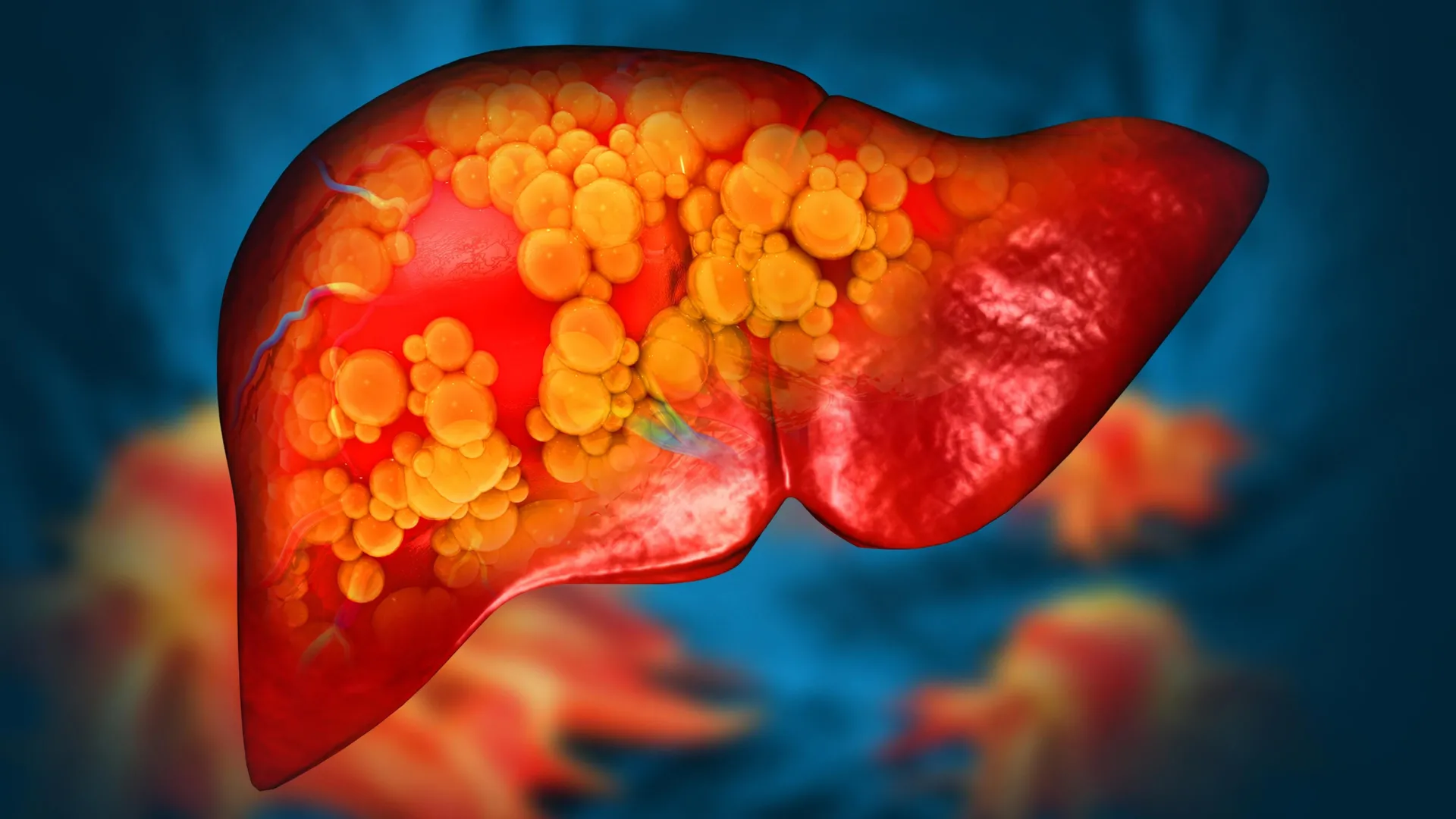
A new clinical trial published in the journal Cell Metabolism compared three popular eating patterns: a ketogenic (very low-carbohydrate, high-fat) diet, a Mediterranean diet and a low-fat diet. Liver fat fell considerably more in the ketogenic group than in the other two, even though participants in all groups lost about the same amount of weight. The results matter for people with obesity, prediabetes and fatty liver disease, as they suggest that what people eat can affect metabolic health beyond the pounds they lose.
The study was led by Samuel Klein of Washington University School of Medicine in St. Louis, Missouri. It enrolled 42 adults with obesity, prediabetes and fatty liver disease. Prediabetes is a condition in which blood sugar is above the normal range but has not yet reached the threshold for type 2 diabetes.
How the trial worked
Participants were randomly assigned to one of three diets. The researchers supplied all meals and arranged weekly consultations with a dietitian. In the ketogenic group, carbohydrates provided 4% of daily calories and fat 73%. The Mediterranean diet supplied 50% and 35%, and the plant-forward low-fat diet 70% and 15%. Calorie intake was adjusted individually so that everyone lost roughly 10% of starting body weight, which took about four to five months.
Results
Liver fat dropped by an average of 67% on the ketogenic diet, compared with 45% in both the Mediterranean and low-fat groups. The keto group also had the largest rise in glucagon and the biggest fall in insulin. Unexpectedly, despite the high fat intake, blood fat and cholesterol levels did not increase.
After the intervention, about 50% of keto participants no longer met the criteria for prediabetes, compared with 29% on the Mediterranean diet and 7% on the low-fat diet. This does not necessarily mean the condition was permanently reversed.
"Our data suggest that if you have high liver fat content and prediabetes, reducing carbohydrate intake can have important therapeutic effects on metabolism beyond just weight loss alone," Klein said. First author Max Petersen noted that GLP-1 medications are very effective for weight loss, but that the specific composition of the diet can add further benefits.
The trial was small and lasted only four to five months, so longer studies with more participants are needed to see whether the benefits persist. The research was supported by the US National Institutes of Health and the Foundation for Barnes-Jewish Hospital.