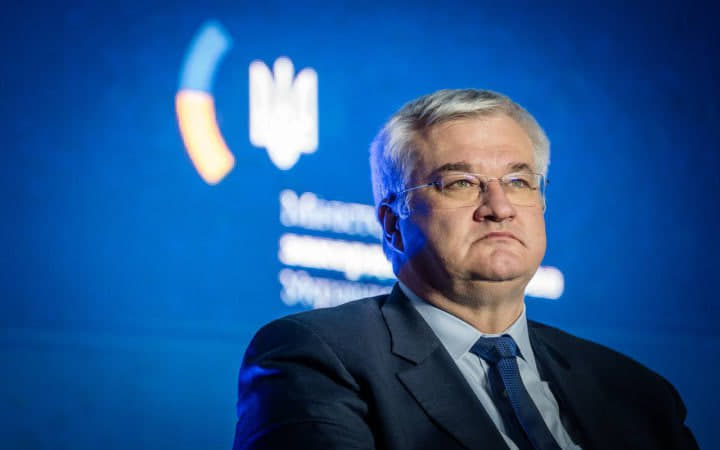
Kyiv talks with Witkoff and Kushner raise hopes for trilateral format, not for imminent peace
Trump envoys Steve Witkoff and Jared Kushner visited Kyiv and signaled readiness to revive US-Ukraine-Russia trilateral talks, though none of the participants believe the war will end this winter.
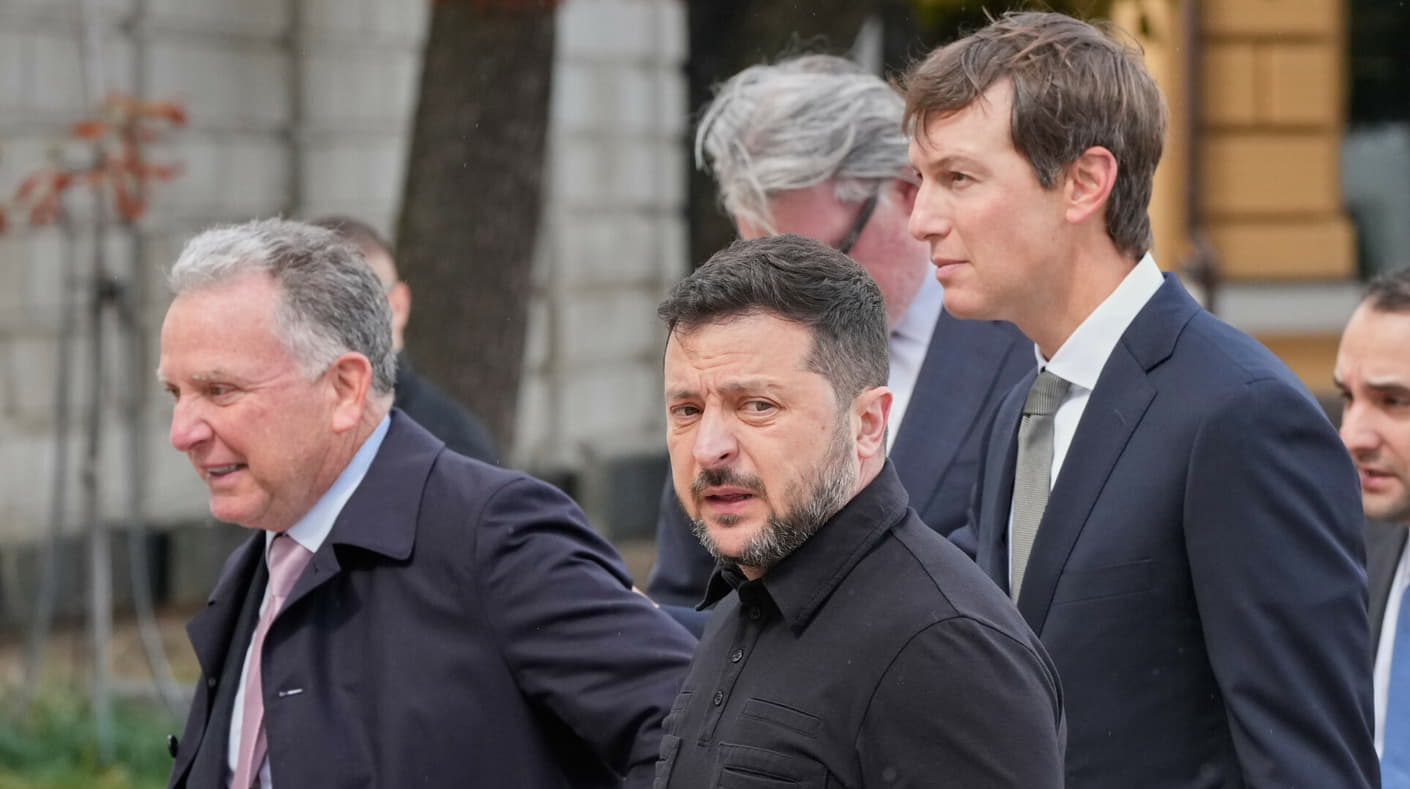
Kyiv hosted Trump administration negotiators Steve Witkoff and Jared Kushner over the weekend — a visit Ukrainian President Volodymyr Zelensky had sought since last year. The pair arrived after first stopping in Moscow, where they offered lavish praise for the Kremlin leader.
The American delegation skipped several protocol commitments other partners consider standard, declining to lay flowers at a memorial wall for fallen Ukrainian defenders and avoiding sites hit by recent Russian strikes in Kyiv, even when nearby. Publicly, both men kept repeating the goal of stopping the war this year, but according to Ukrainian sources, virtually nobody involved actually believes that — Kyiv's understanding is that Russian President Vladimir Putin intends to keep fighting through at least the entire winter.
Reviving the trilateral track
Trump has instructed his envoys to restore the trilateral negotiation format with Russia, and Kushner announced hopes for progress on this soon. Ukraine's negotiating team views the format's return as beneficial: even without expecting a war-ending deal before winter's end, it could open the door to practical agreements, such as reduced shelling intensity or arrangements on Black Sea navigation.
Kushner explained that the trilateral setup is more convenient for the Americans because, in that format, Ukraine and Russia negotiated directly with each other rather than requiring Washington to relay positions between them. Such a format also lets the US shift part of the responsibility for the outcome away from itself.
Hidden risks and a ticking clock
Observers note that Russia has a strong incentive over the next 10-12 days to simulate readiness for talks, since that is the window in which the US House of Representatives must decide on the so-called Graham-Blumenthal sanctions bill against Russia, already passed by the Senate. If the House fails to act by September 18, the process will likely have to restart next year once Congress turns to elections.
One clearly positive element of the visit was the participation of security advisers from Germany, France and Britain in the Kyiv talks — a sign that Europe is returning to the peace process after a period when Washington negotiated separately with Kyiv and Moscow.