China's ethnic unity law denounced as 'forced assimilation' by rights groups
A new Chinese law on promoting ethnic unity has taken effect, drawing condemnation from Taiwan, the UN, and human rights groups who say it threatens freedoms and enforces assimilation of minorities like Uyghurs and Tibetans.
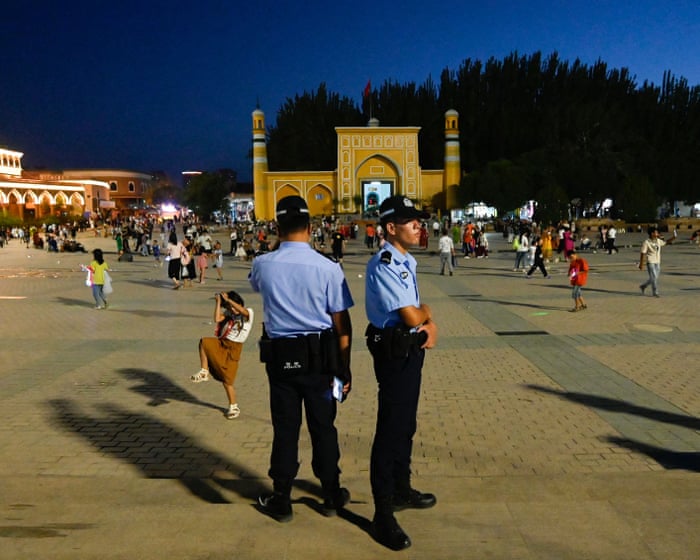
A new ethnic unity law came into effect in China on Tuesday, despite warnings from Taiwan, the United Nations and rights groups that it could threaten freedoms, especially for minorities.
The Law on Promoting Ethnic Unity and Progress aims to forge a "shared" national identity among ethnic groups, for example by strengthening the status of Mandarin as the official language. But overseas campaigners have argued it will further degrade the rights of ethnic minorities, such as Uyghurs and Tibetans, that Beijing is accused of persecuting.
Critics also point to a clause stating that people can be held liable for violating the law even when outside China, saying it gives the Chinese government more justification for targeting its opponents abroad.
Amnesty International deputy regional director Sarah Brooks said the law would require "political and ideological alignment with the Chinese Communist party" and "further institutionalise ... policies of forced assimilation".
Taiwan expressed "strong condemnation" of the law on Wednesday, saying it expanded "threats and intimidation against the people of our country and other nations". In Washington, nine US lawmakers voiced stern opposition and pledged to keep speaking out against Beijing's bid to "legitimise its transnational repression".
UN rights chief Volker Turk has called for the law to be repealed, saying it risks "deepening restrictions on freedoms of language, education, practice of religion, culture, expression and assembly". Uyghur and Tibetan advocates have urged countries to push China to strike it down, saying it aims to erase minority communities.
Beijing consistently denies that it engages in rights abuses against any ethnic group and maintains that they all benefit from its policies of internal security and economic development.
/nginx/o/2026/10/01/17948077t1h8f9c.jpg)