Kiiviselg: Russia responds to Ukrainian long-range strikes by intensifying information war
Estonian Defense Forces intelligence chief Col. Ants Kiiviselg stated that Russia, unable to achieve significant gains on the front, has stepped up its information warfare in reaction to Ukraine's successful long-range strikes, including the destruction of the Omsk oil refinery.

In a weekly briefing at the Ministry of Defense on Friday, the head of the Estonian Defense Forces Intelligence Center, Colonel Ants Kiiviselg, reported that Russia has increased combat activity to about 270 combat engagements per day over the past week, but without major gains on the front. Russia employs between 8,500 and 10,000 tactical strike drones daily, accompanied by about 90 tactical sorties, during which an average of 280 guided bombs are dropped.
Despite Russian President Vladimir Putin's claims of major successes—such as the capture of Kostiantynivka—Russia has not achieved significant breakthroughs. Frustrated by battlefield failures, Russia has conducted several long-range strikes as part of a terror campaign. Ukraine faced difficulties intercepting ballistic missiles due to a shortage of Patriot ammunition. This allowed Russia to statistically reduce the number of ballistic missiles per strike: from an average of 40 in June to about 30 in early July—a reduction of roughly one third.
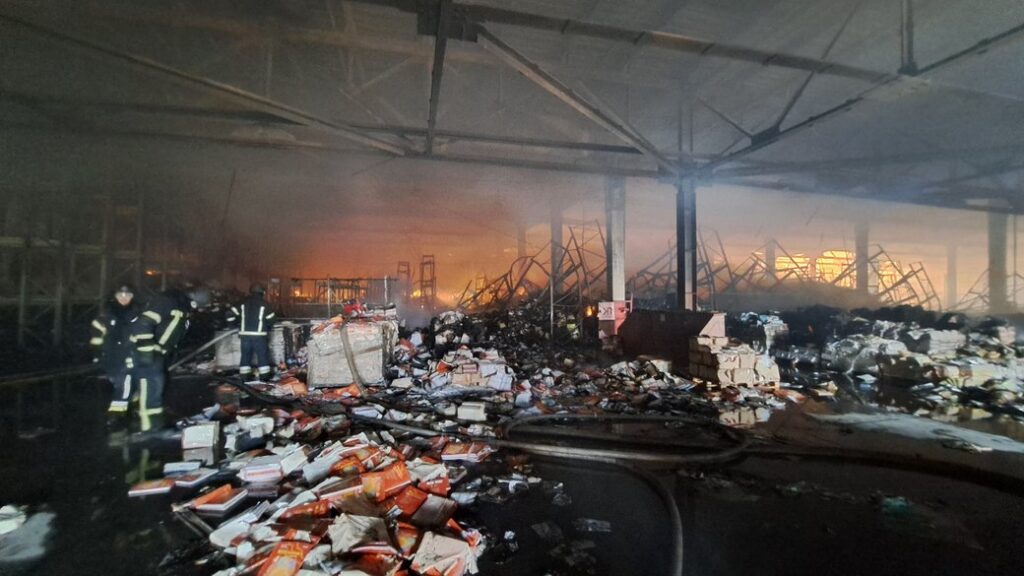
Ukraine's long-range strikes Kiiviselg noted that Ukraine has significantly expanded its target set and strike range deep into Russian territory. This can be divided into two major campaigns: isolating the Crimean peninsula and neutralizing Russia's energy infrastructure and export potential. These systematic strikes have hit at least six airfields in Russia, destroying or damaging at least seven combat aircraft and an unknown number of Shahed drones. Strikes continue against transport infrastructure and ports, including the Ust-Luga and Vysotsk sea ports in the eastern Gulf of Finland near Estonia. Additionally, a ferry terminal in Kerch was attacked, and at least 19 vessels in the Sea of Azov that supplied Crimea with fuel or military equipment were hit.
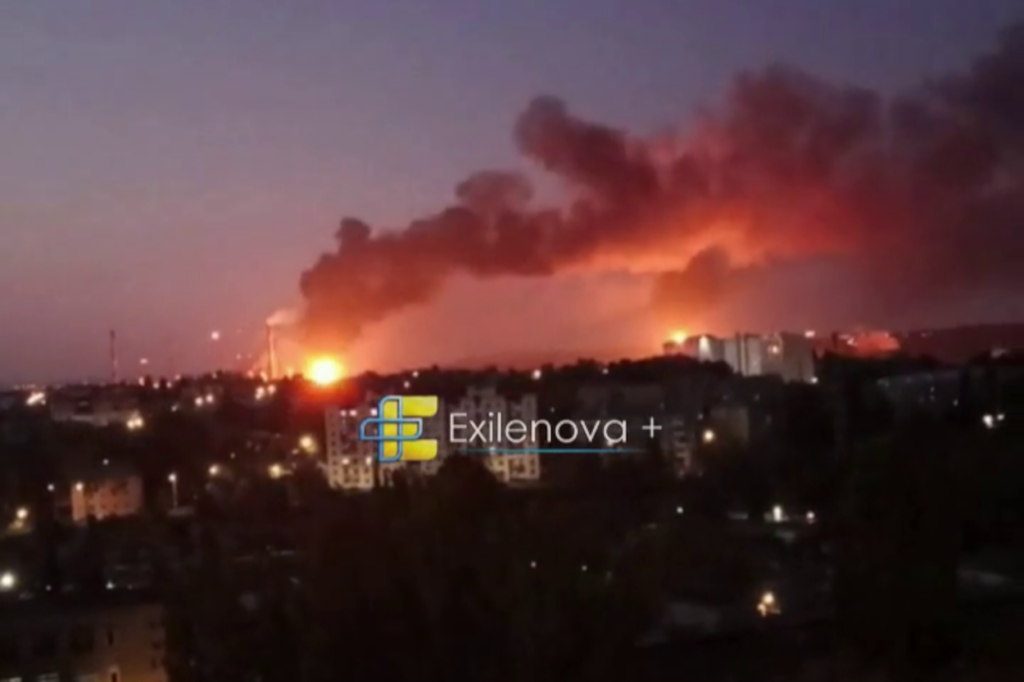
Ukrainian strikes also target power plants and infrastructure in occupied Crimea, causing numerous power outages. Over the past week, Ukraine struck at least nine oil refineries and terminals deep inside Russia. Notably, the attack on the Omsk refinery—one of Russia's largest—was highlighted. The Omsk facility produces gasoline, diesel, and aviation fuel used by the Russian military, and it is the sole producer of cracking catalysts needed for secondary oil refining. In previous years, the Omsk plant alone produced about 15% of Russia's aviation fuel. Currently, it has halted operations, which may directly limit Russian Air Force capabilities in the near future.
According to the Ukrainian General Staff, as of early July 2026, about 40% of Russia's planned oil refining capacity has been taken offline due to strikes, causing total losses of $13.5 billion. Russia has transformed from an exporter of petroleum products into a net importer of liquid fuel, with imports unable to cover even domestic consumption.
Russia's response: information war Kiiviselg stated that Russia is reacting painfully to Ukraine's successful long-range strikes, employing hostile anti-Western rhetoric with threats and demagogy. The main accusation is that Ukraine's success is due to Western assistance. Within these narratives, Russia has also attacked the Baltic states and Finland, alleging they allow Ukrainians to use their airspace, prepare for mass deportation of Russian speakers, and plan to deploy nuclear weapons in Lithuania or Finland.
The Kremlin increasingly claims this is no longer a special military operation but a full-scale war, as European countries and the US support Ukraine with information, intelligence, equipment, and weapons. On July 7, Russian Foreign Ministry official Grigory Lukyantsev alleged that Baltic states are preparing mass deportations of Russian speakers—a claim Kiiviselg said is clearly false. These statements serve a coordinated information operation likely aimed at creating a sense of threat in the West about possible escalation and undermining unity in continued Ukraine support.
While public discussions about possible Russian provocations and military preparations toward the Baltic states have emerged, Kiiviselg stressed this should currently be seen as part of Russia's information war to influence Western public opinion. He added that no military preparations for an operation in the Baltic states or the region in the near future have been observed from Russia.